18 de Enero de 2019

Campeche & cultura y trato de los nativos

Today we drove to the city of Campeche in the state of Campeche to visit three museums: Museo de Arqueologia Subacuatica de Campeche, Museo de Arquitectura Maya Baluarte de la Soledad, y Museo de los Piratas. In the first museum, the Museum of Underwater Archaeology, we saw artifacts that had been found in the nearby ocean from various shipwrecks and learned about the types of defenses used in the forts for protection, such as moats and thick walls. At the museum of pirates, we learned about how the pirates ransacked the city of Campeche because of its port location since the city itself was not very wealthy. To prevent this, the city built a wall that surrounded the entire city and had two main entrances/exits, one facing the land and one facing the sea. Most of the wall is still standing today, and we were able to walk on some of it.

In the Museum of Maya Architecture, we were able to learn about the glyphs Mayans used to write with, the Puuc architectural style (which we will be learning more about during our drive back to Valladolid tomorrow), and the important uses of jade in Mayan culture. The glyphs the Mayan people used was a code that was only recently cracked. Their script was made of a combination of logosyllabic and syllabogramatic, Logosyllabic glyphs were representations of a word or phrase, while syllabogramatic glyphs represented specific syllables. In some cases glyphs could be a combination of the two. In addition to the two types of glyphs, the way the Mayans wrote was highly abstract (characters could vary in look from artist to artist) and multiple characters could all have the same meaning or sound. The complexity of the characters themselves and the burning of almost all Mayan scrips by a Spanish monk named Diego de Landa made the decipherment of the written language extremely difficult. Landa believed that the texts and rituals held by the natives were satanic and when he heard that Roman Catholic Mayans were still worshipping idols, he tortured and killed them as well as burned their texts.

It is painful to see how the so-called “civilized” Europeans treated the native people, who had made spectacular advances in medicine, geology, mathematics, and astronomy. It’s ironic that the Europeans believed they were bettering the native populations when in reality the natives contributed so much to the Europeans. Like we read in the book, Indian Givers by Jack Weatherford, the economic boom in Europe is attributed to gold and silver that was mined from Potosí, Bolivia, and the potato wouldn’t have been saving the lives of thousands of Europeans had it not been discovered in the Americas. It is such a shame that the culture of the native peoples was all but destroyed. Thankfully, unlike in the United States, the native Mayan peoples have fought back and currently own their own land, such as the community at Yaxunah and the jungle where chicle is harvested. Whereas the Mayans today are able to live on their own land, the Native Americans in the United States were forced off of their land and pushed into reservations and have yet to receive adequate compensation from the government.              

It was eye-opening to see the Mayan glyphs in person today and connect it with what I have read in Indian Givers and what we watched in the documentary Breaking the Maya Code. Even though today’s excursion was more focused on learning about the city of Campeche and its history in relation to the sea, the museum exhibits I saw sparked connections with the broad history of the Mayan people.    
 

Sustainable Resource Use in Mexico

One key thing I noticed in Mexico was the respect they had for the natural land they live in. When we visited Noberto and his family and watched Alejandro harvest the resin, it was easy to witness this respect first hand. Norberto and his family have been harvesting resin from the chicozapote trees for hundreds of years. Before he began harvesting, Alejandro first checked the tree to be sure that it contained enough resin. This is a sustainable method that ensures each tree is not harvested until it contains enough resin to be used. In addition to this, they wait 5-10 years before harvesting from the same tree. This allows the trees to heal and regrow to keep the jungle healthy. From what I have witnessed on this trip, the Mayan people use the land efficiently and only take from it what they need. This is partially due to the respect they have towards the land and they do not experience the need to place development over protection of land.

In the United States, there is a corporate need to continue development of land and resources to make a profit and a general lack of respect for the natural world. This is known as seeing the instrumental value of the land we live on. Since the government shutdown, National Parks have been suffering due to the ignorance of people and a lack of respect. In California at Joshua Tree National Park, people have been vandalizing the land by cutting down trees. All over the country, piles of trash are growing and land is being destroyed. There is a general lack of respect for public land and it is difficult for many people to understand the relationship people have with the environment they live in.

The Mayan people aren’t told by anyone that they need to respect the land they live on. They rely on the natural land around them to gather resources and can see that if they continue to care for it, they will continue to be able to benefit from it.

Mass Tourism and Commercialization of Archaeological Sites

At the site of Chichen Itza, it was hard to ignore the hundreds of vendors who surrounded the entire site. Every path we walked was lined with tables, tents, and colorful knick-knacks. Unfortunately, I remember more about the people and the things they were trying to sell than I do the actual site.

Commercialization and mass tourism have allowed more people to travel to sites such as Chichen Itza and Tulum, but with more tourists come more chances to make money. The people who live in areas surrounding these famous sites have taken the opportunity to prey on travellers. They sell anything ranging from tapestries to fridge magnets for the highest price people are willing to pay. It is impossible to deny that this is an incredibly efficient way to make money, but as someone who is trying to learn and experience the culture, it can be distracting.

It is important for the economy of local areas that archaeological sites are well-known and well-visited. Much like the Oceanfront area of Virginia Beach, the money made from tourism benefits the local population. For this reason, I believe that vendors should still be allowed to sell at popular sites, but it should be limited to the areas around the site and not within. This way it is still possible to benefit economically through the selling of entrance tickets and merchandise being sold outside, but visitors won’t be distracted from the real reason they come to the sites- witnessing the spectacular architectural achievements of the Ancient Mayans.

17 de Enero de 2019

Dzibilchaltún y significado de Chaac

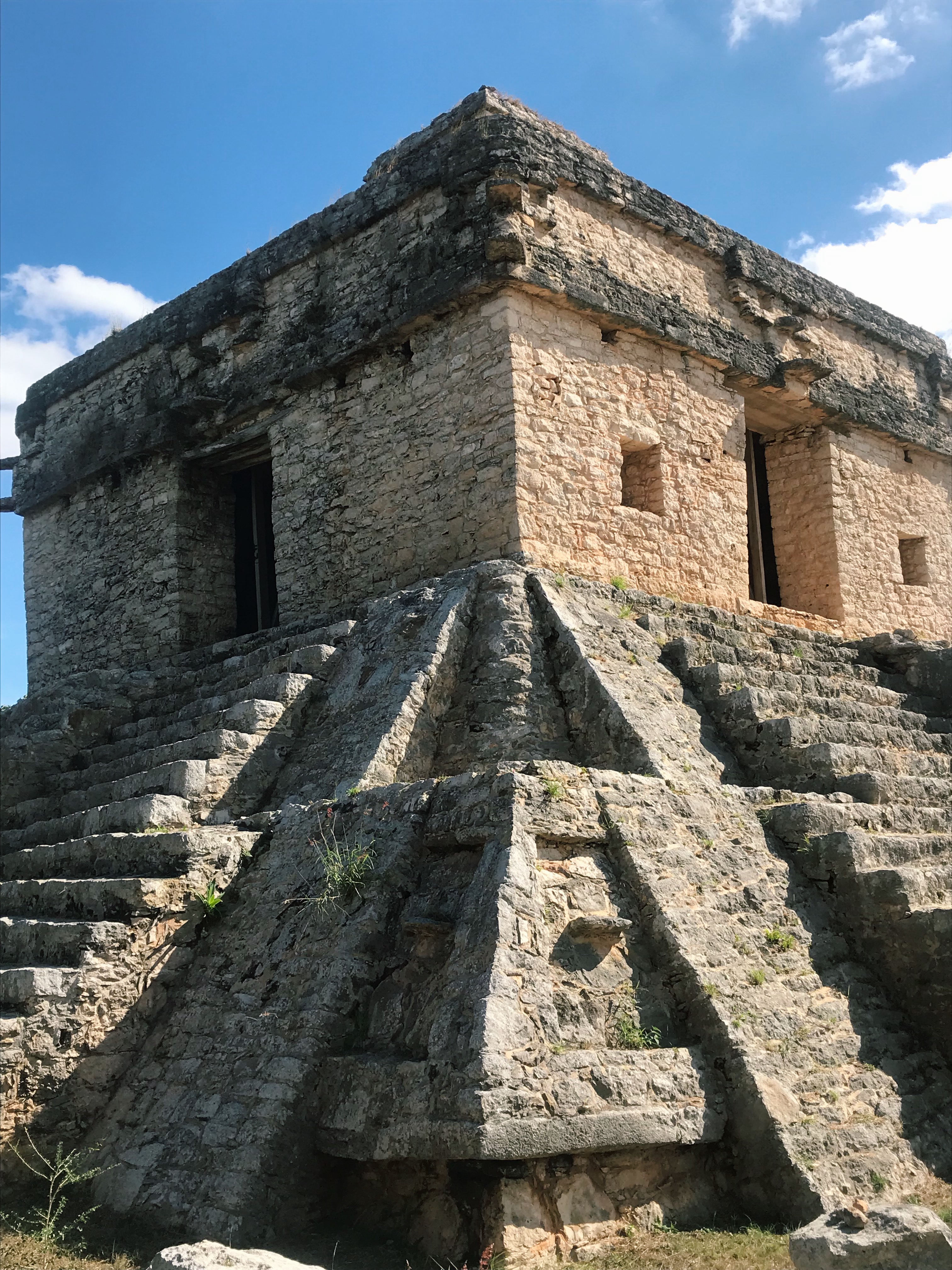
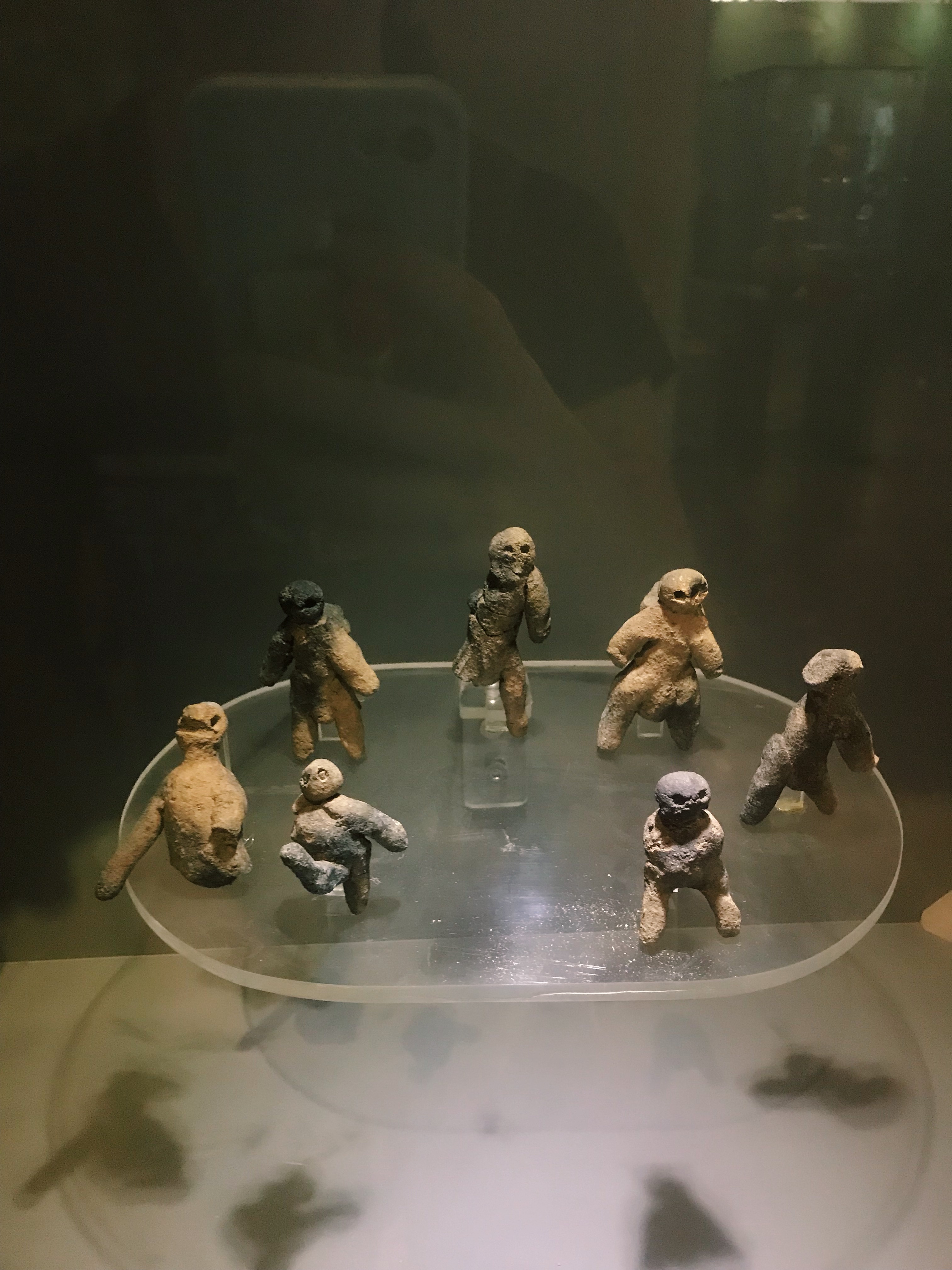
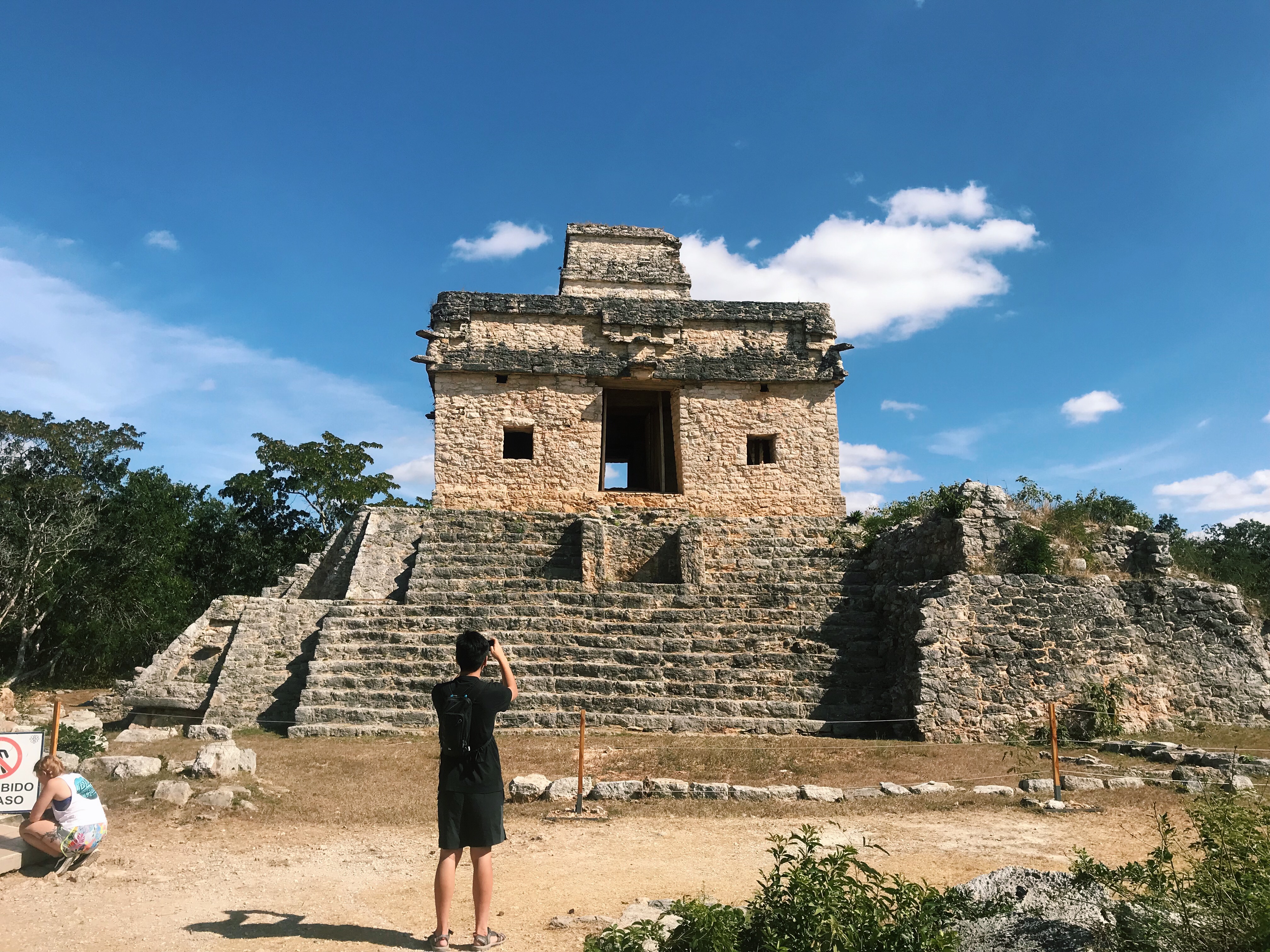
Today we visited the ruins at Dzibilchaltún. When it was occupied (300 B.C-conquest), the people at Dzibilchaltún relied heavily on their semi-close location to the ocean for an economy highly based on salt and agriculture. The two major features of this site are the Casa de las Siete Muñecas and the open colonial chapel. The House of the Seven Dolls is a temple that also has astronomical purpose, as the sun passes through the window (mouth of Chaac) during the equinoxes. It also has the shares other characteristics with traditionally astronomical observatories, like having four accesses and a window to the side of each entrance facing East and West. Instead of being named an observatory, this structure was named after seven small figurines that were found as an offering to Chaac within the structure.

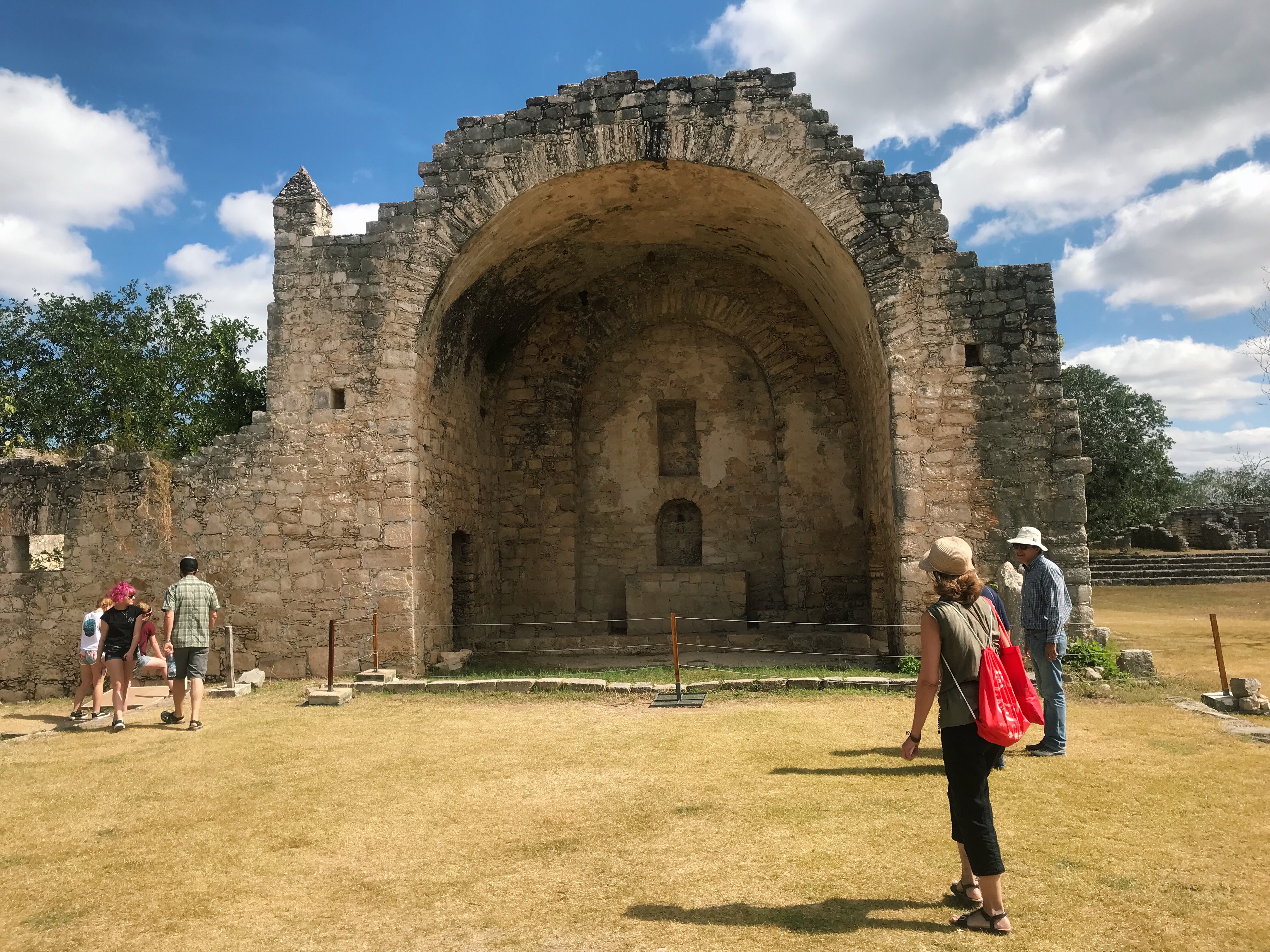
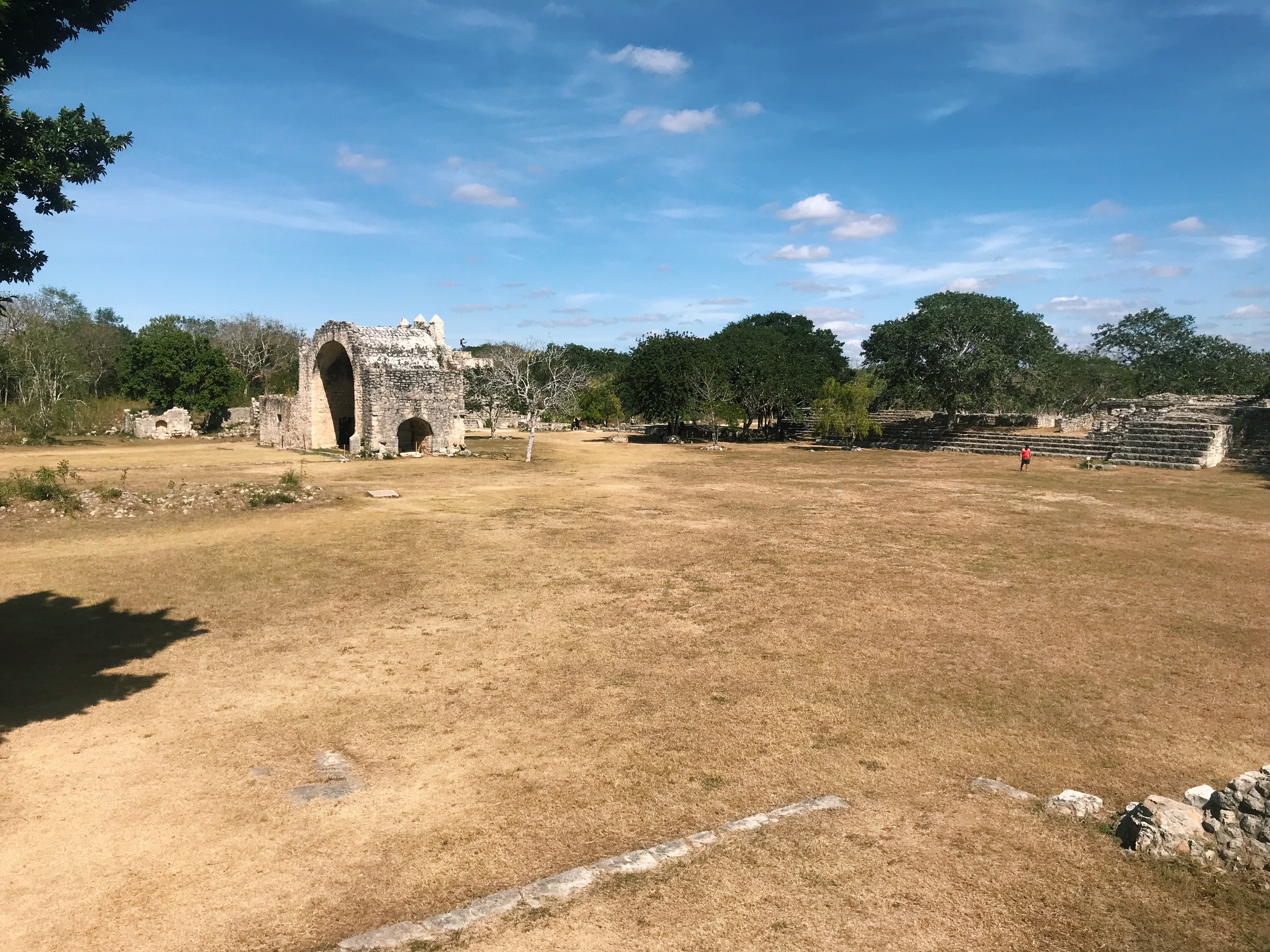
To build the colonial chapel, the Spaniards broke down pieces of the already existing Mayan temples and “repurposed” them. The main building was smaller than expected, as only the Spaniards were allowed to sit inside the building. The natives were required to sit in an open outdoor seating area. The Spaniards chose to build the chapel in the center of the city, which was likely already where the Mayans held important ceremonial events.

Front of the open chapel built with stones from older Mayan structures
Location of the chapel in the center of the site

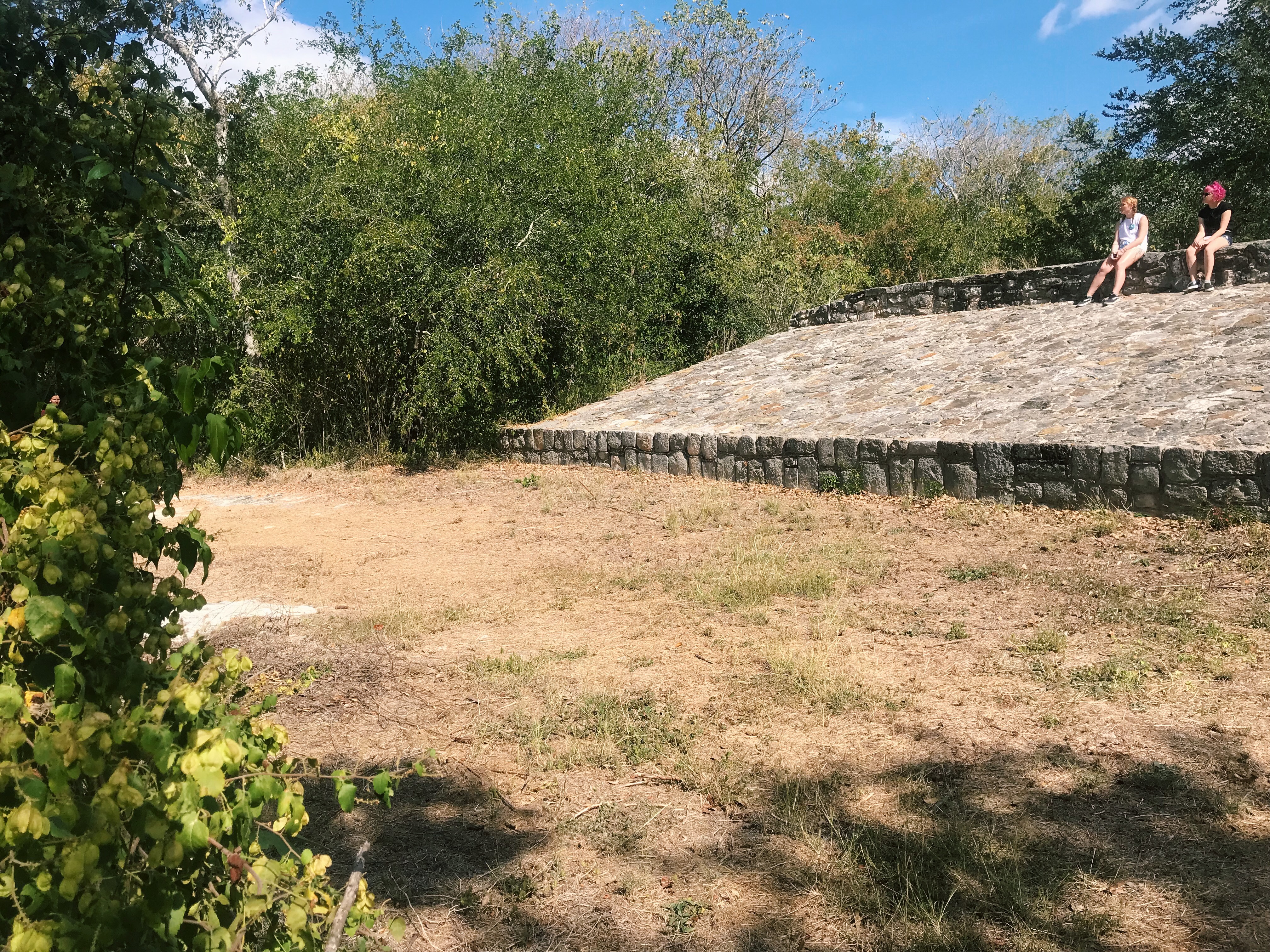
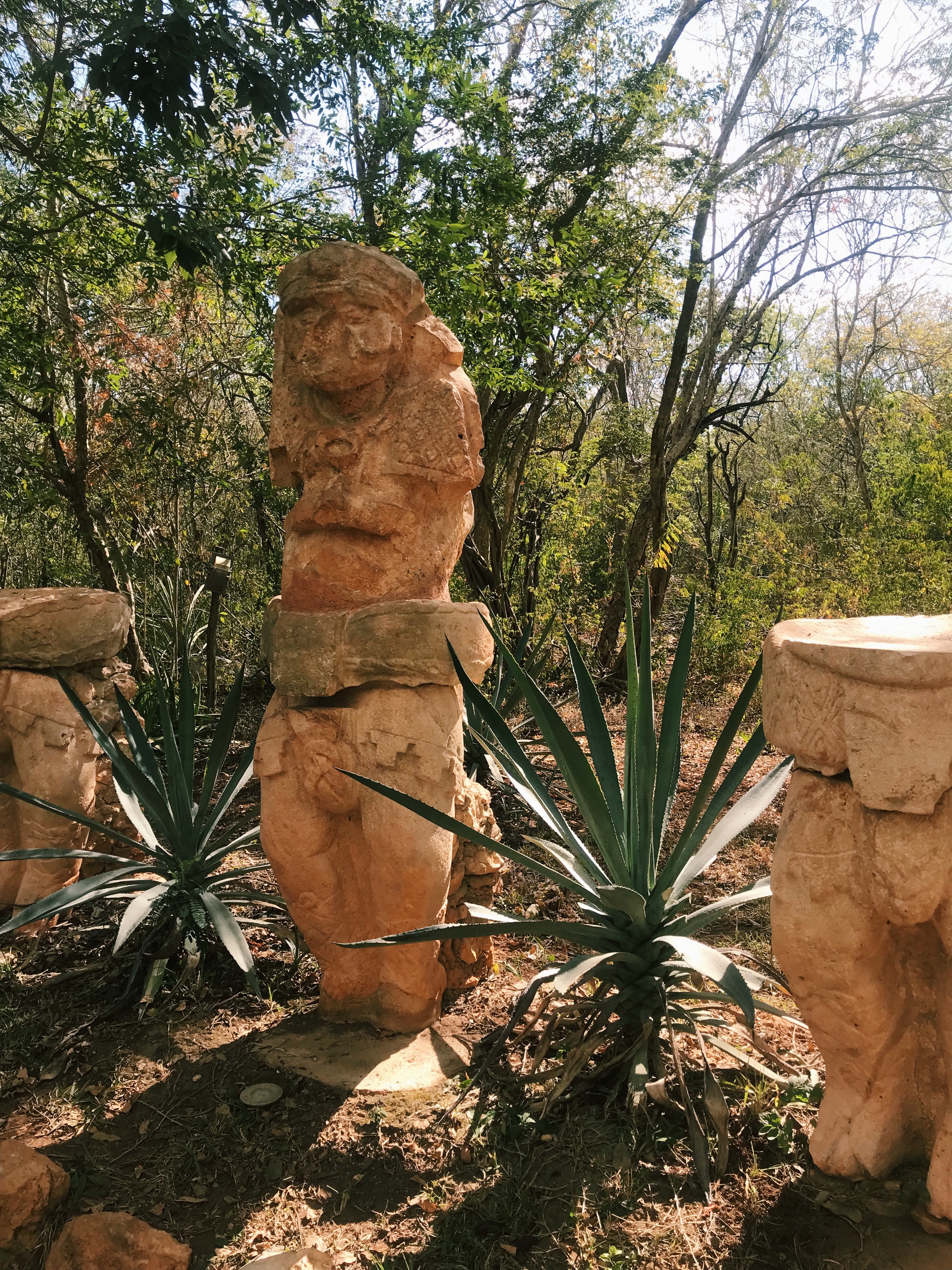
In addition to these buildings, there is also a small stadium where el jeugo de pelota was played. It is very interesting to see that there has been a stadium where the Mayans held this ritual act at every archaeological site we have visited so far. The Mayan people in different times and different places were all united through this common religious practice. It was a representation of who they were and how they expressed their beliefs, specifically the idea that giving one’s body to the gods is an honor.

Stadium for el juego de pelota at Dzibilchaltún
Statue of a juego de pelota player

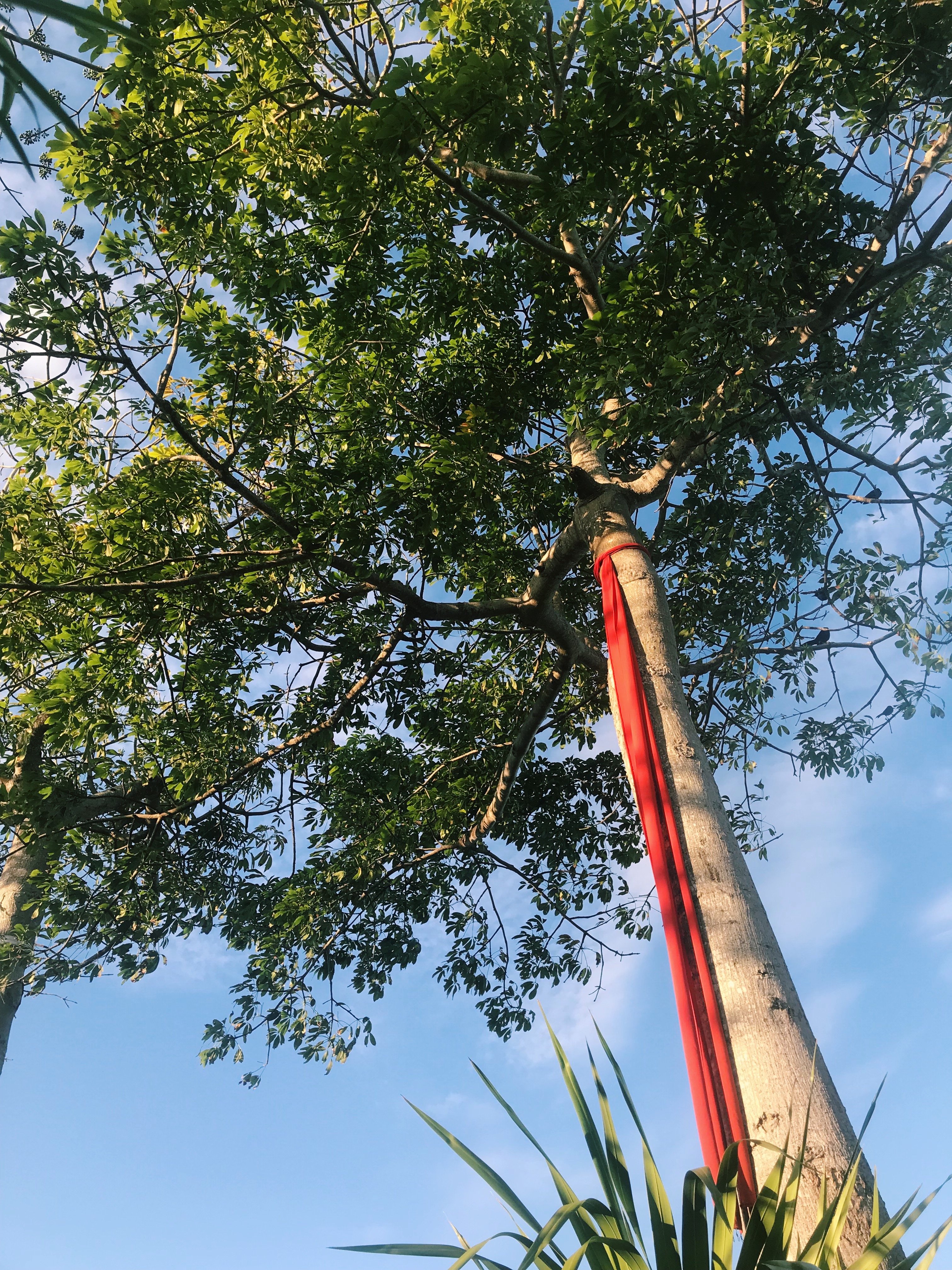
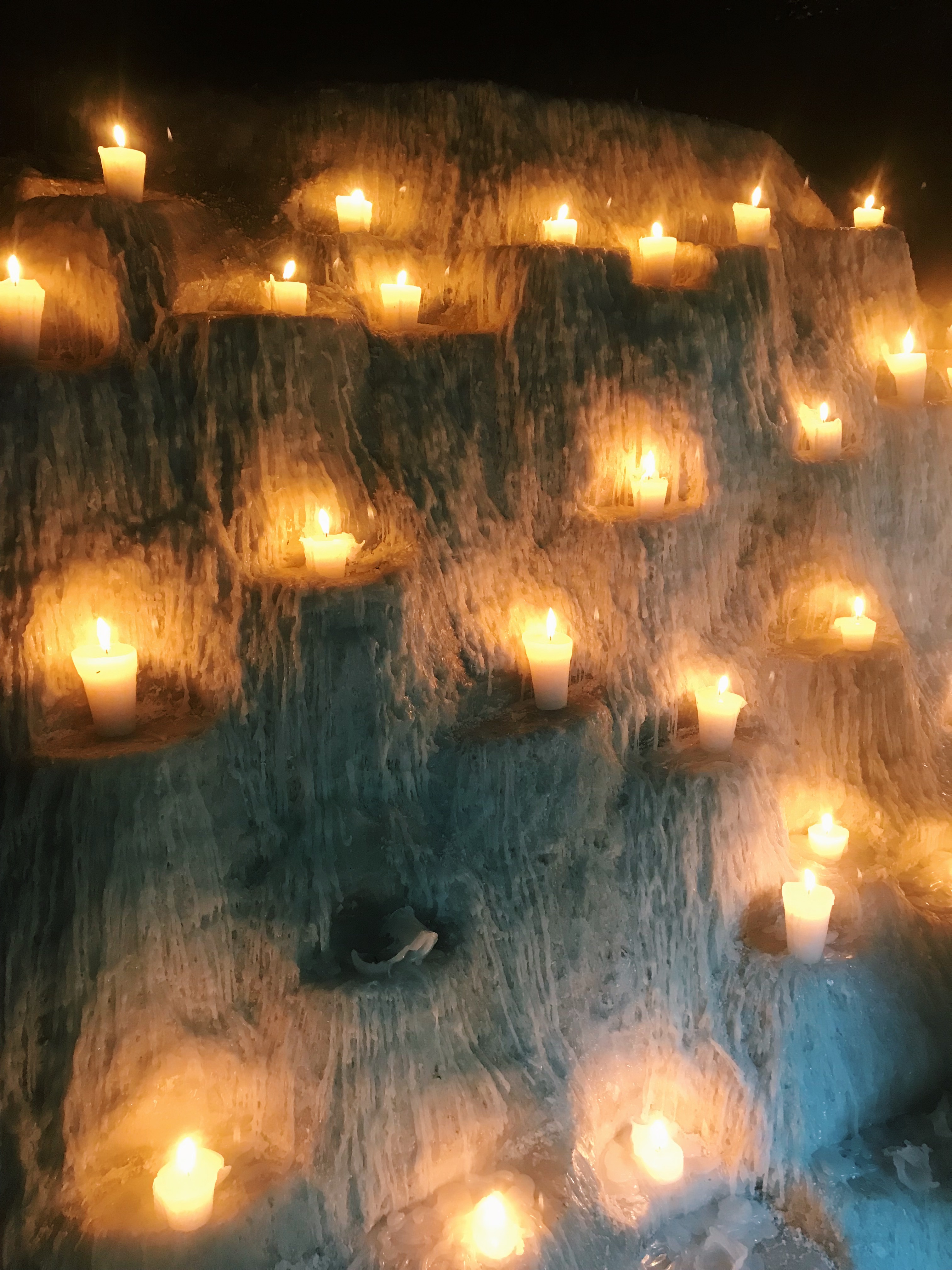
Another unifying factor of the different Mayan civilizations we have visited is the worshipping of the main god, Chaac. The worship of this specific deity can be attributed to the location that the Mayans lived. In the Yucatán Penninsula, there is very little access to fresh water for drinking or for irrigation to water crops, so most of their ritual acts and temples were created to honor the Mayan rain deity. Every site we have visited has had temples dedicated to Chaac, carvings of his face in their buildings, and various rituals to honor him and ask for rain.  At the Tomb of Ukit Kan Le’k Tok’ (the tallest temple we climbed in Ek Balam), the face of Chac is carved above the entrance of the tomb. There is a mask of Chaac carved into the dome of the observatory and in the staircase of the Temple of the Warriors in Chichén Itzá. When we visited Yaxunah, we witnessed a ritual ceremony celebrating Chaac and learned that the Mayans collect the first rainfall of the season, as it is believed to have strong medicinal and spiritual properties. The face of Chaac is also carved in the Temple of the Frescoes at Tulum. In Dzibilchaltún, the House of the Seven Dolls was a temple to Chaac. Chaac was also linked to the four cardinal directions, each with a certain color, that were represented at the top of the cemetery in Xcaret by the four ceiba trees wrapped with colored ribbon.

Even though each of the sites we have visited have their own specific attributes that make them unique, it is important to keep in mind that they all share the common factor of being Mayan and the common characteristics that come with that. Realizing this makes the trips to the ruins more meaningful because I am able to see the significance behind the temples and carvings instead of simply admiring them.

Jan. 17, 2019

16 de Enero de 2019

Izamal y Mérida

Today we left Valladolid and drove to Mérida. On the way, we stopped in Izamal to eat lunch and walk around the city.

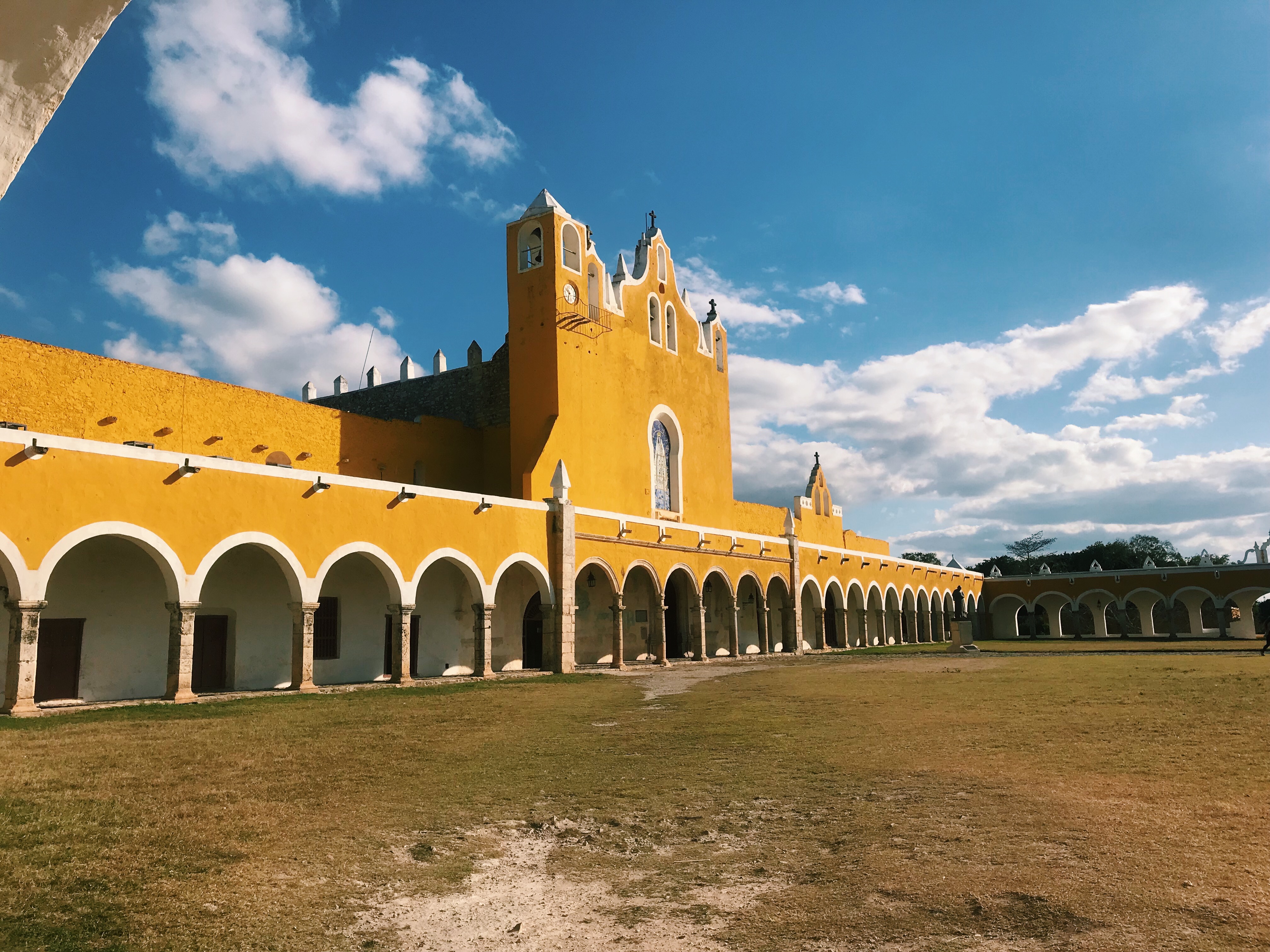
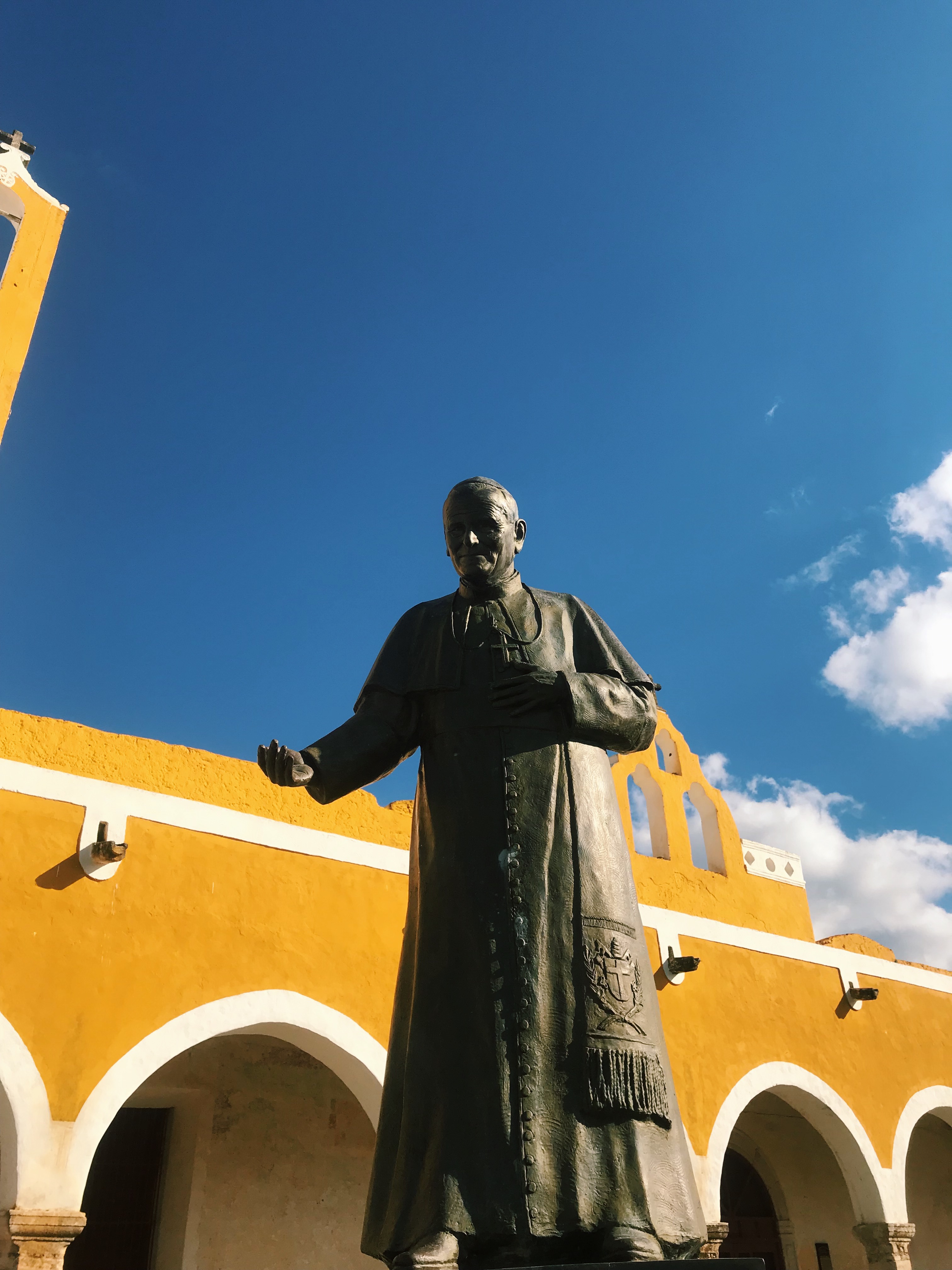
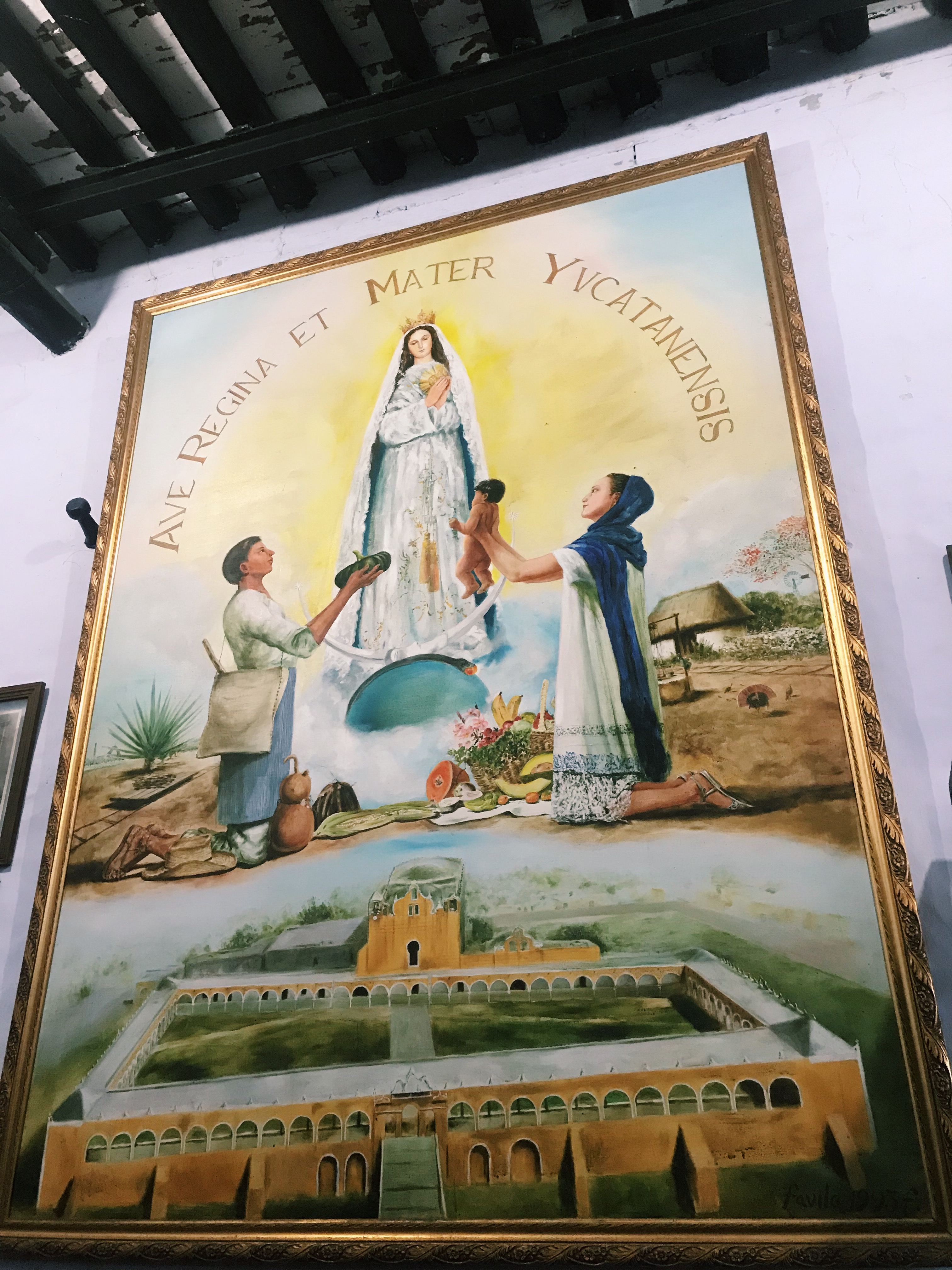
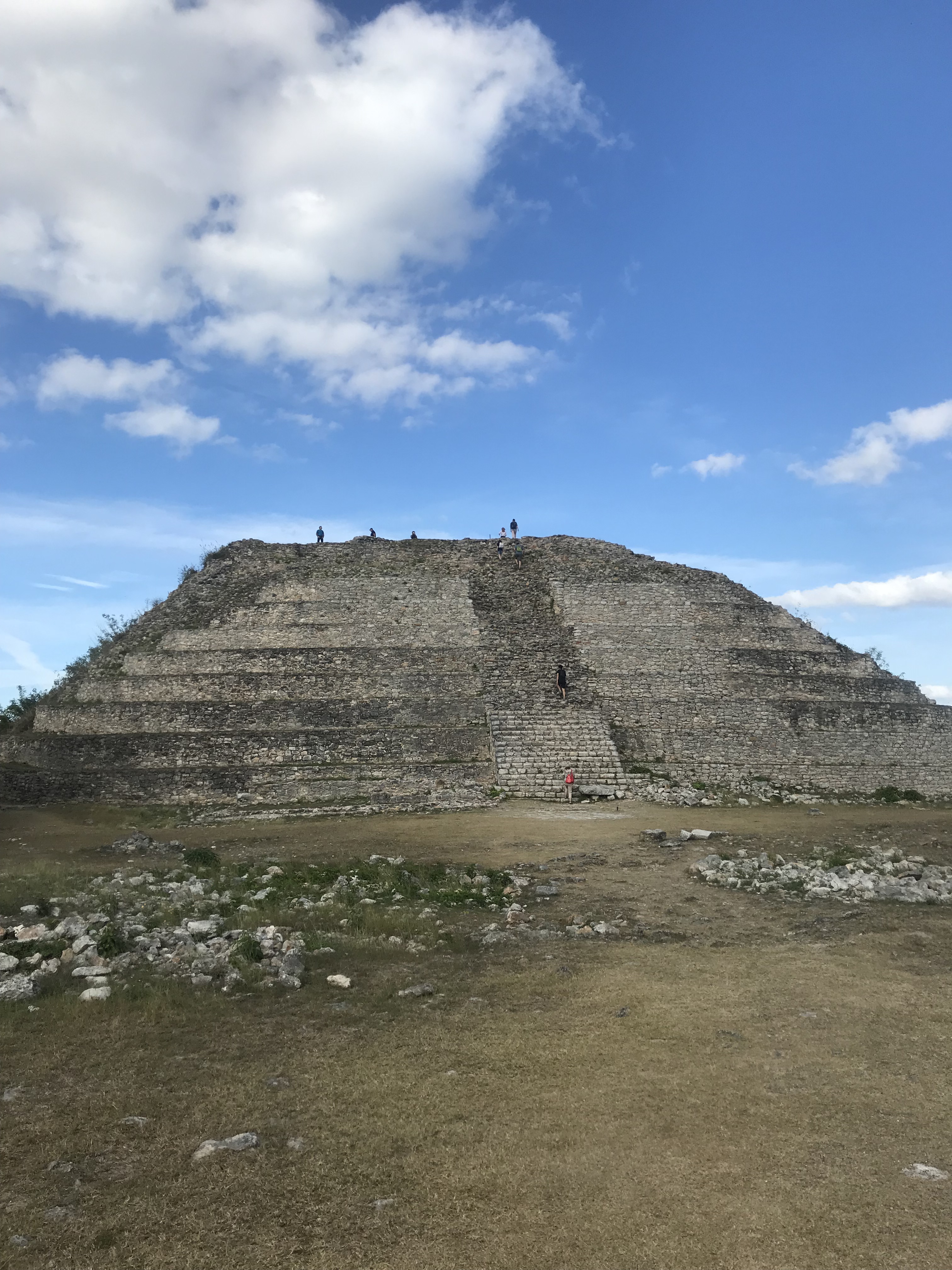
Izamal is known as the Yellow City because all of the buildings are painted yellow and the City of Three Cultures, as the three prominent cultures in the city are Mayan, Spanish, and Modern. The city was painted yellow in an effort to express the locals’ pride of their convent and history when Pope Juan Pablo II visited the city in 1993. The convent at Izamal, Convento de San Antonio, was built by the Spaniards when they invaded and destroyed the major Mayan temple in Izamal. They used some of the blocks from this temple to build the convent.

Convento de San Antonio
Statue of Pope Juan Pablo II outside of the convent

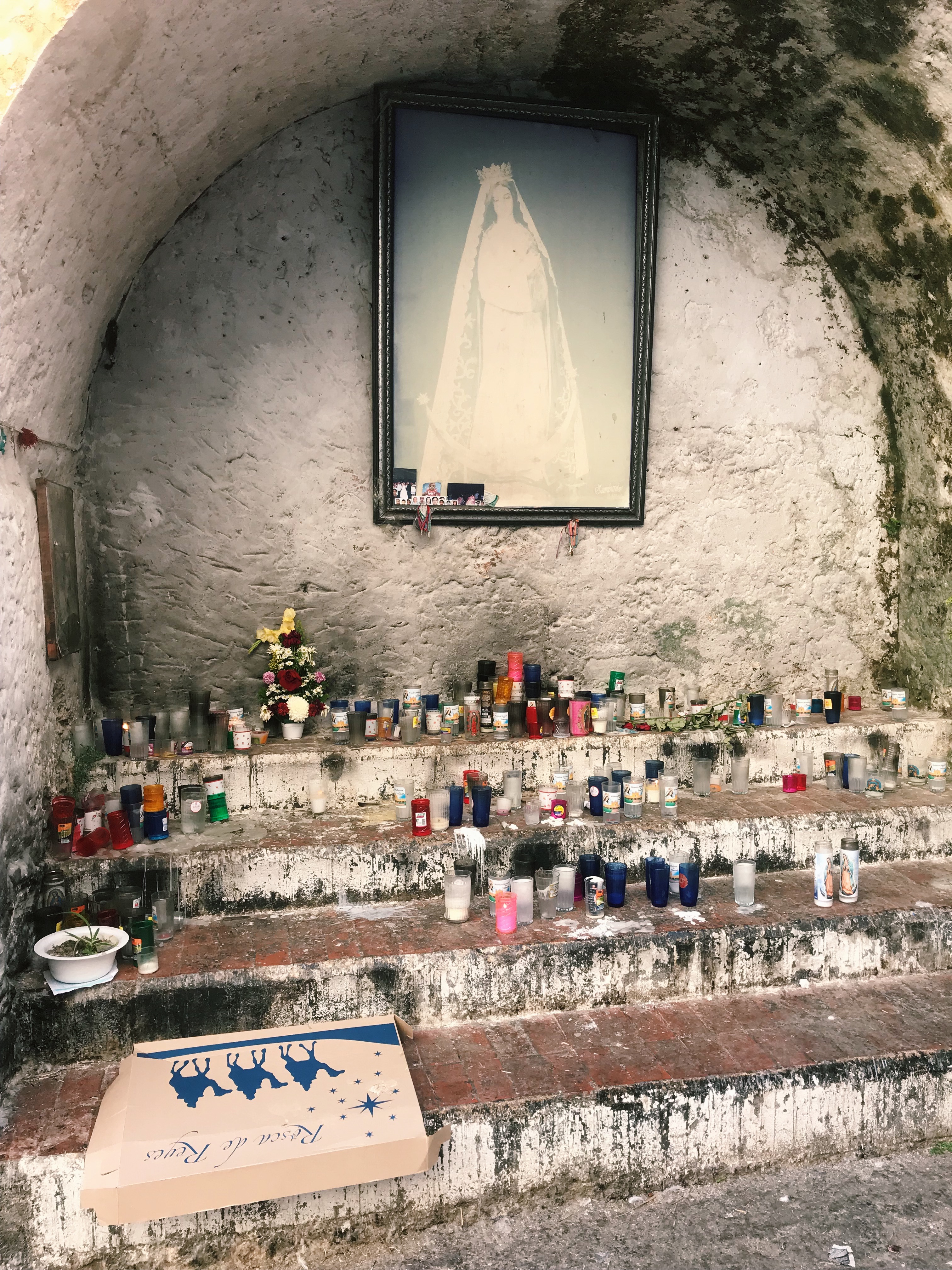
The convent and the Catholic religion play a huge role in the lives of people living in Izamal as well as other indigenous people. Our Lady of Izamal is a patron saint that represents the bridge between the Catholic religion and native people who were reluctant to join. Our Lady of Izamal gave the native people a sense of pride and belonging within the Catholic religion, which they later fully accepted.
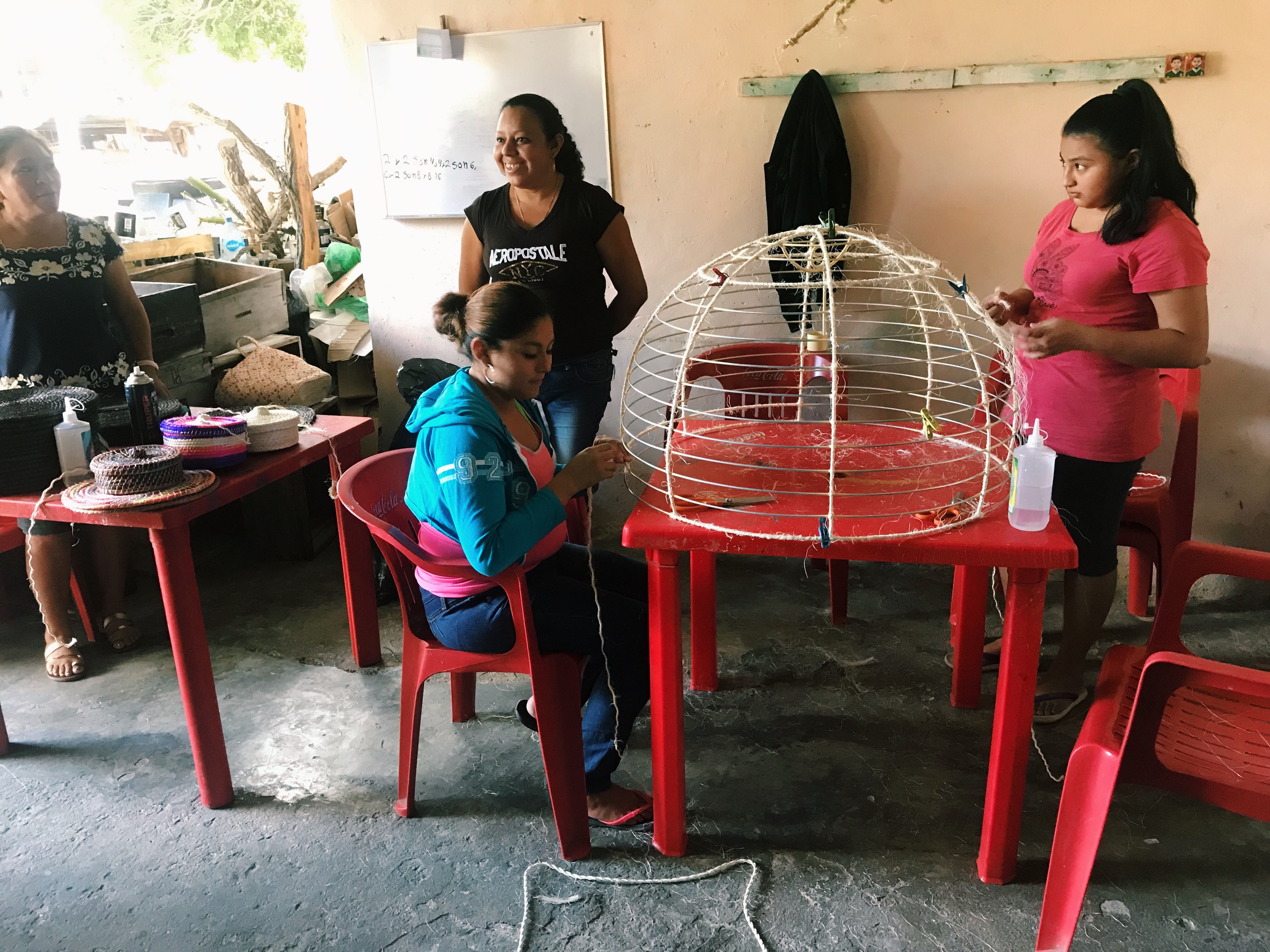
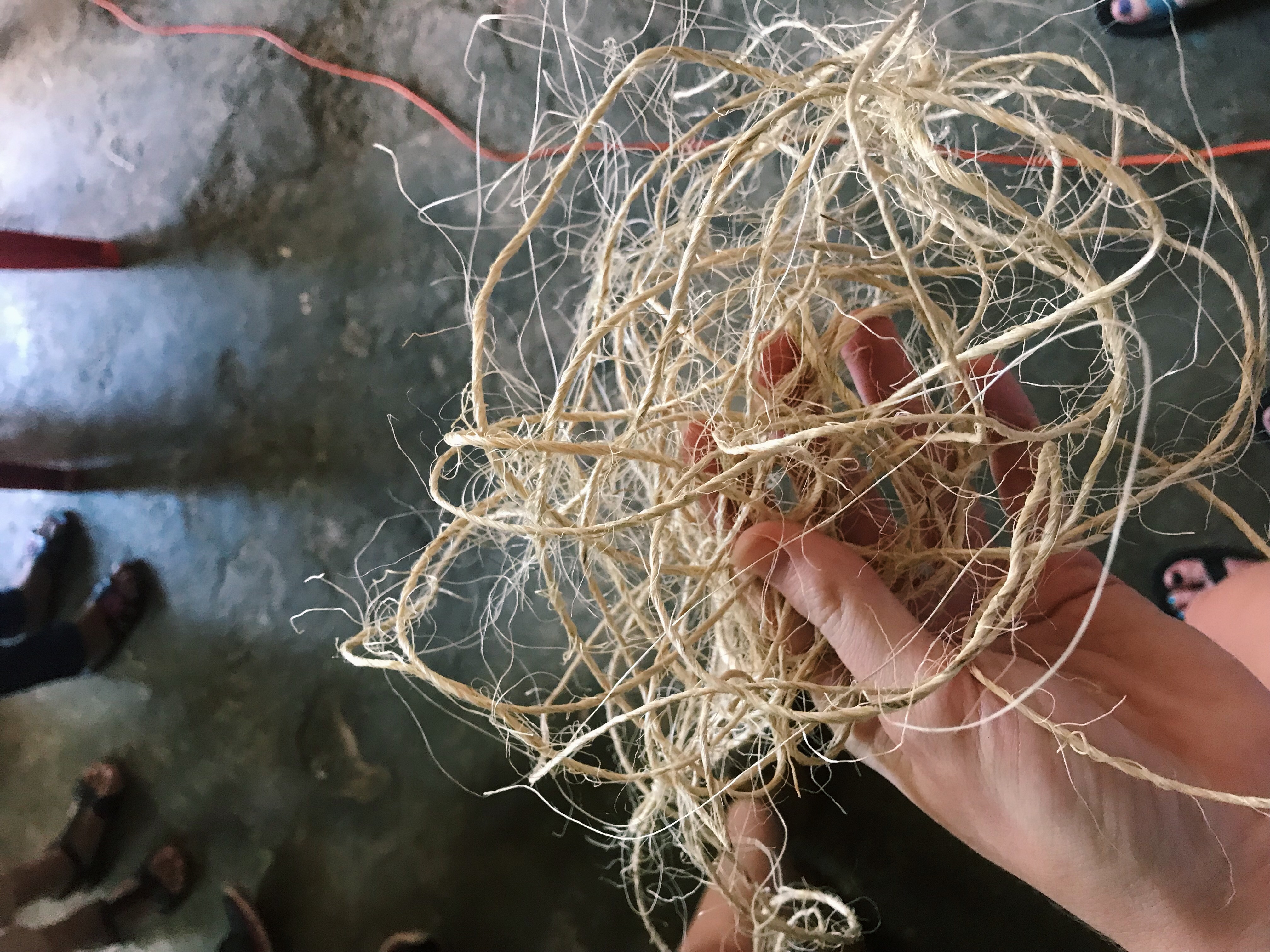
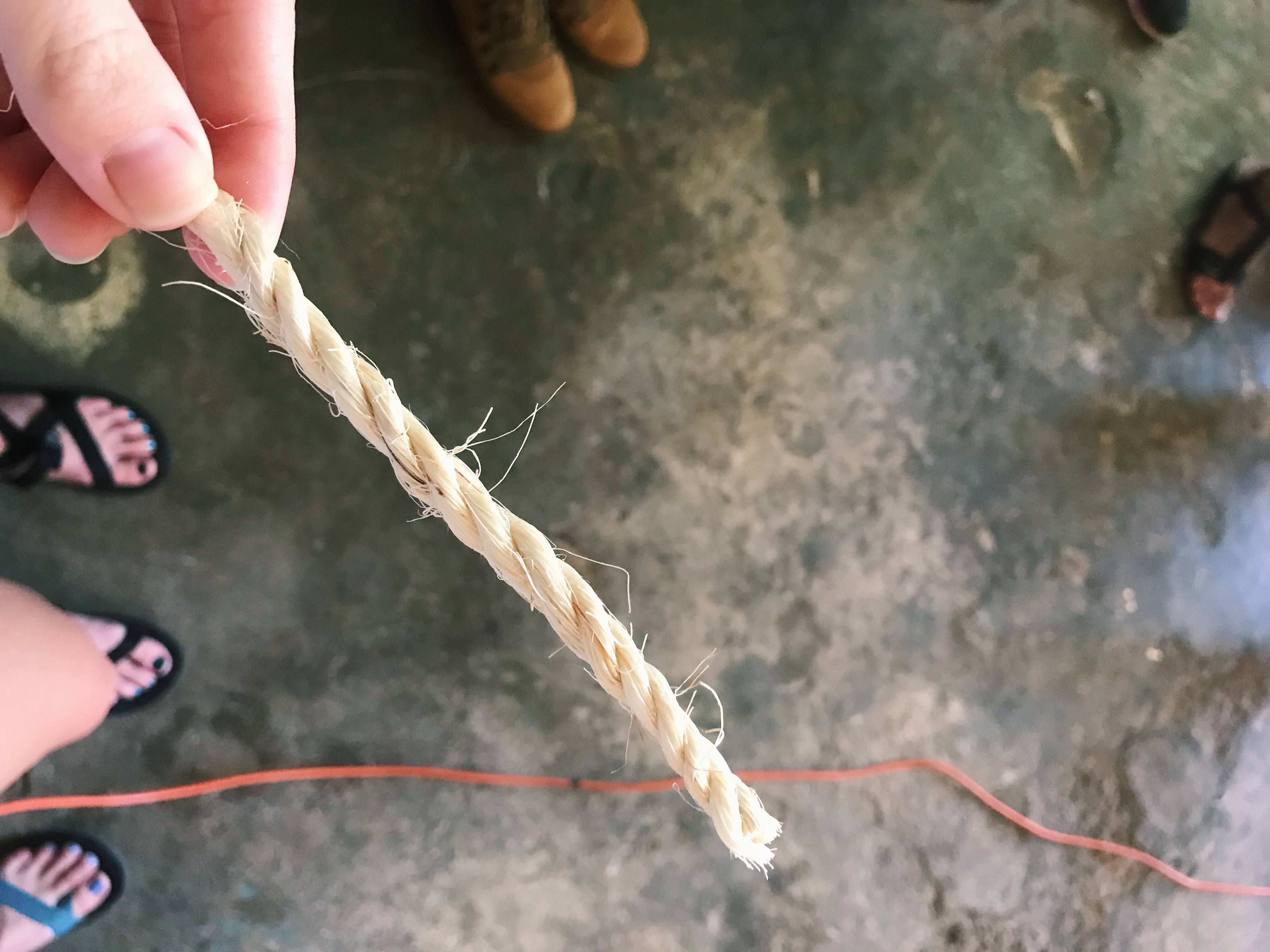
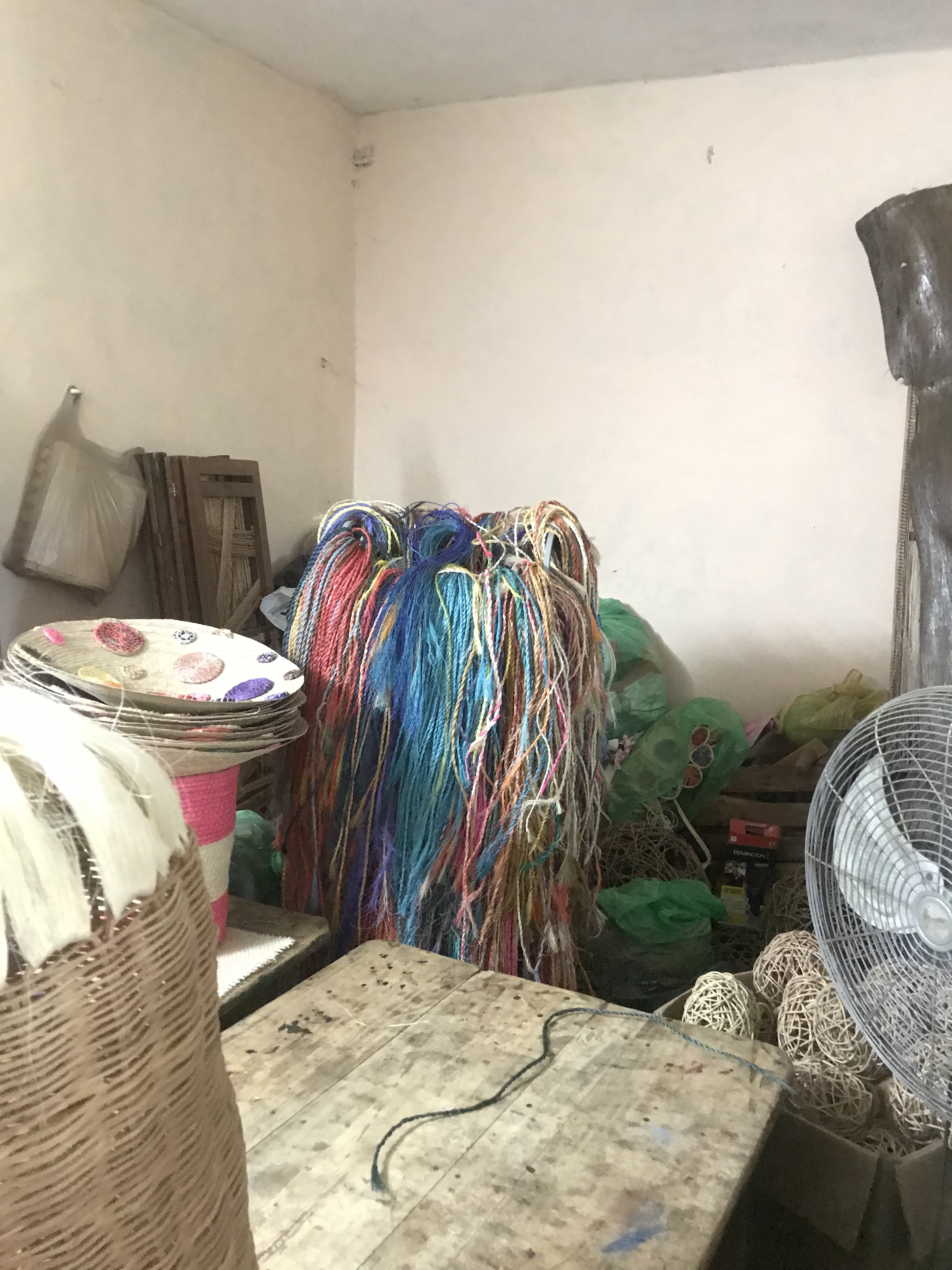
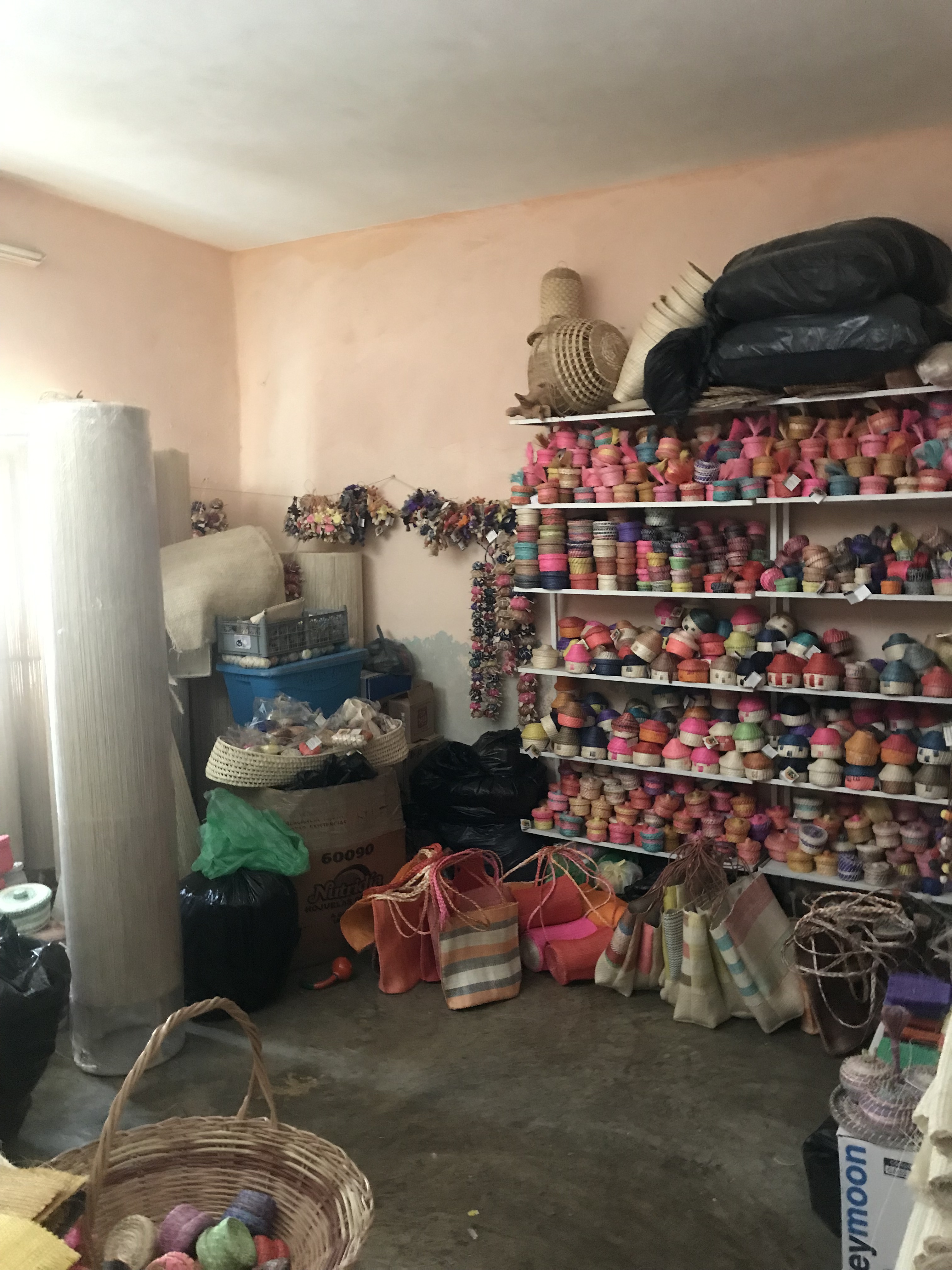
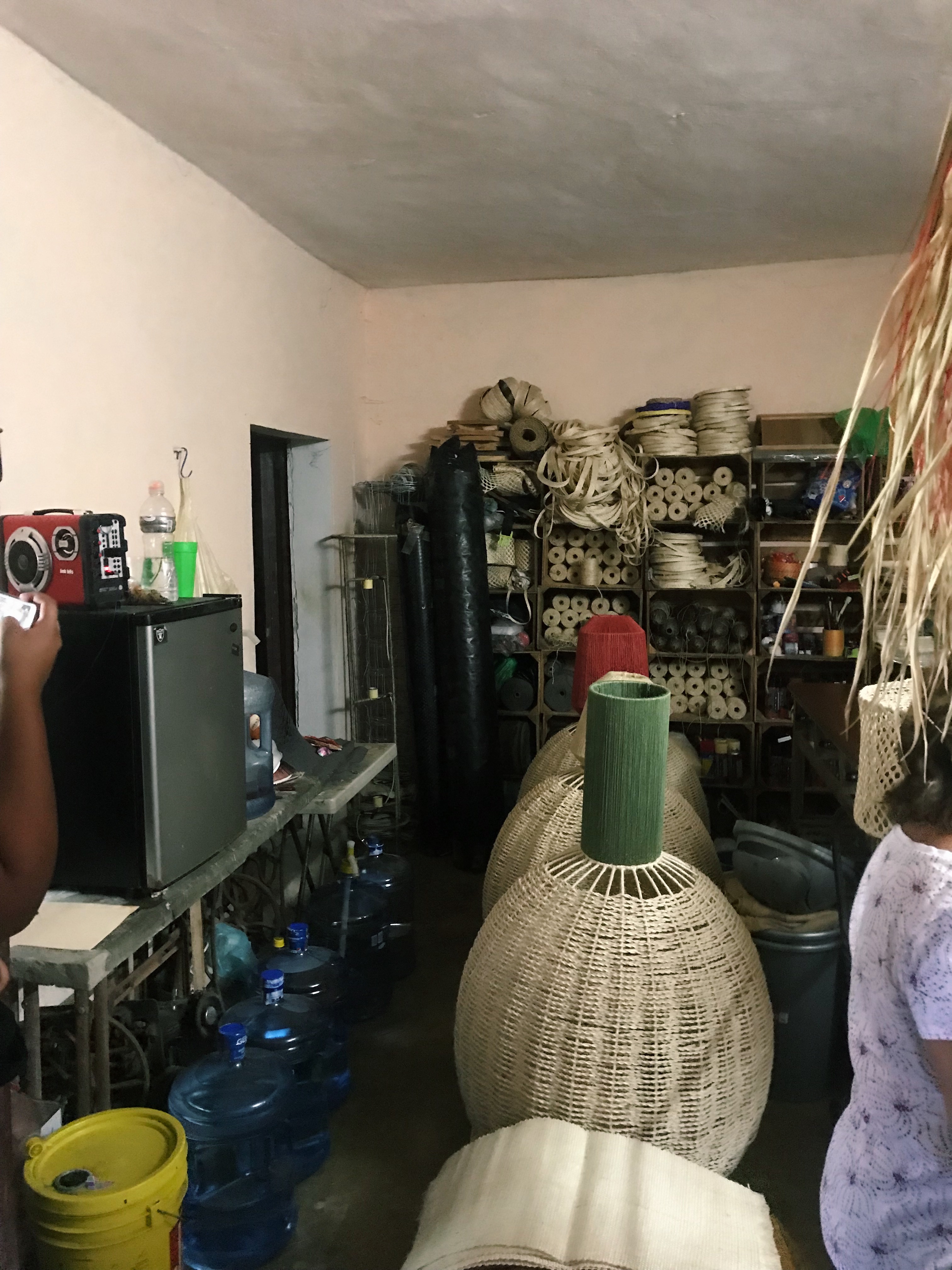
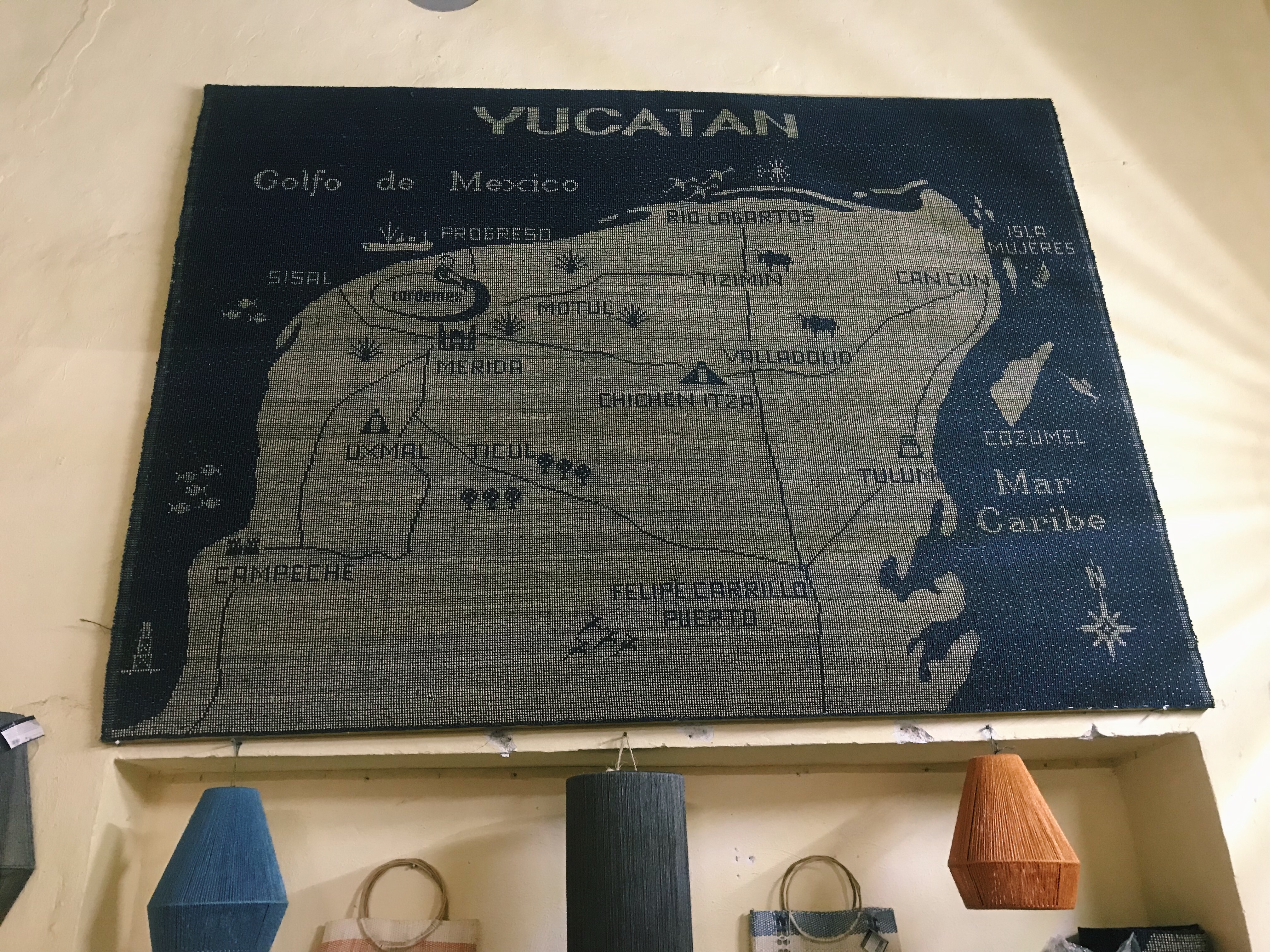
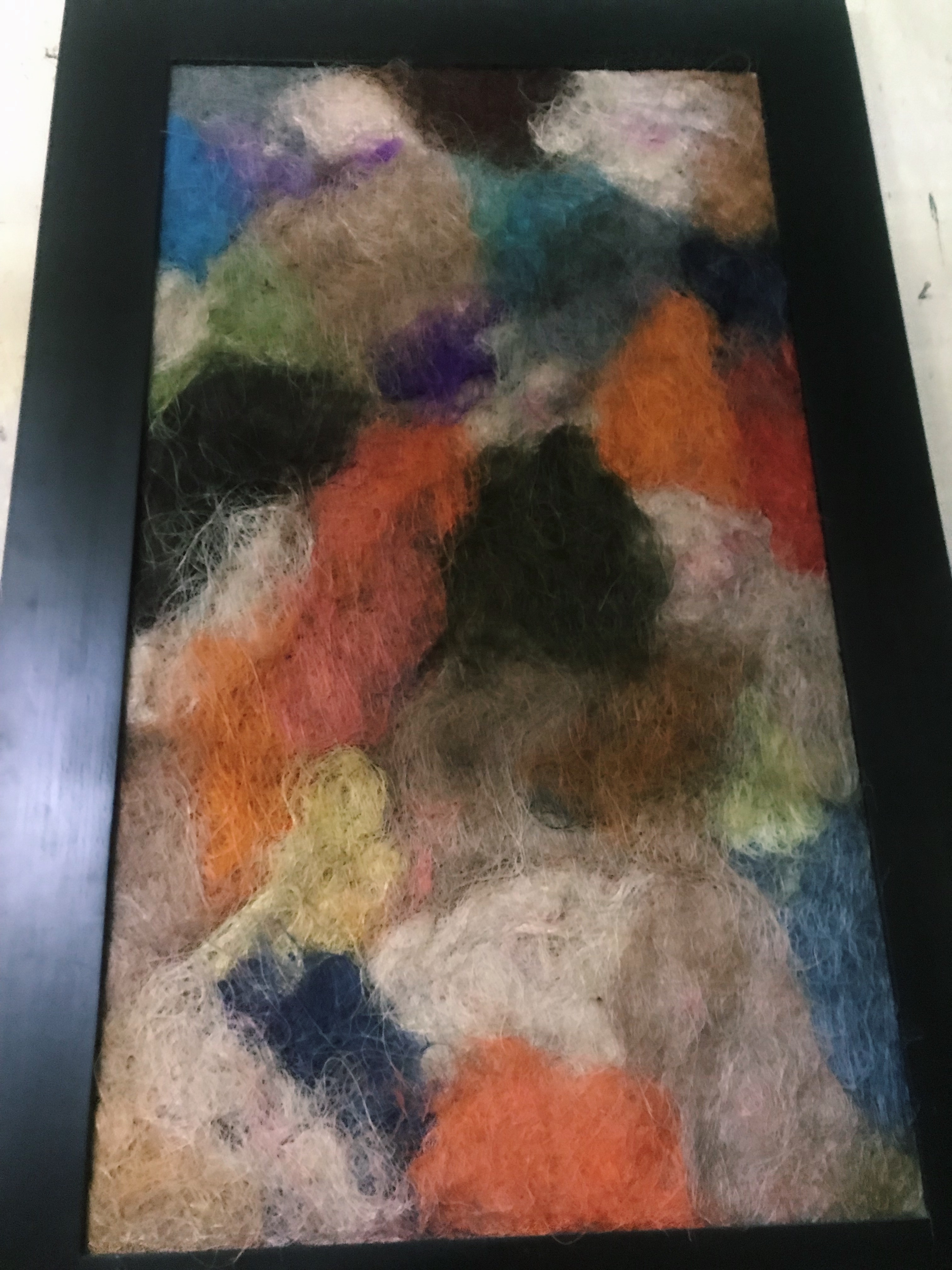
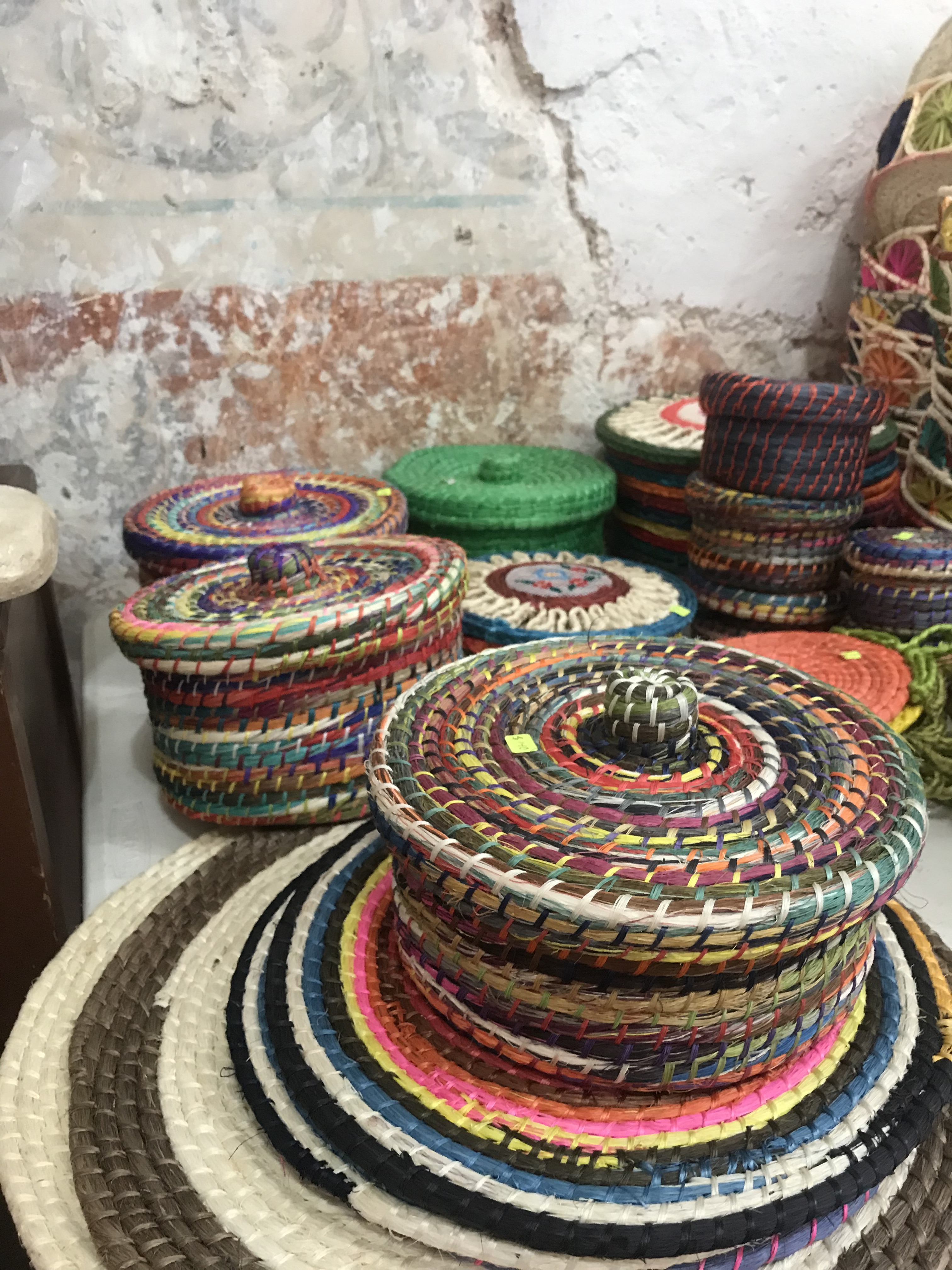
While we were in Izamal, we walked through a henequén art store as well as a factory that are owned by a man who studies interior design and currently sells products to hotels. Henequén is a type of fiber harvested from the Agave fourcroydes plant. The fibers are wound into a twine-like material and then used to make picture frames, lamp shades, tapestries, room dividers, hammocks, tortilla baskets, and many other products. Before plastics were invented, the henequén was woven into bags and ropes. To add color to the products, workers either dip or paint the henequén with natural dyes derived from various minerals or tree barks. As the world population (hopefully) moves away from using so much plastic, henequén products would make a great sustainable and biodegradable replacement.

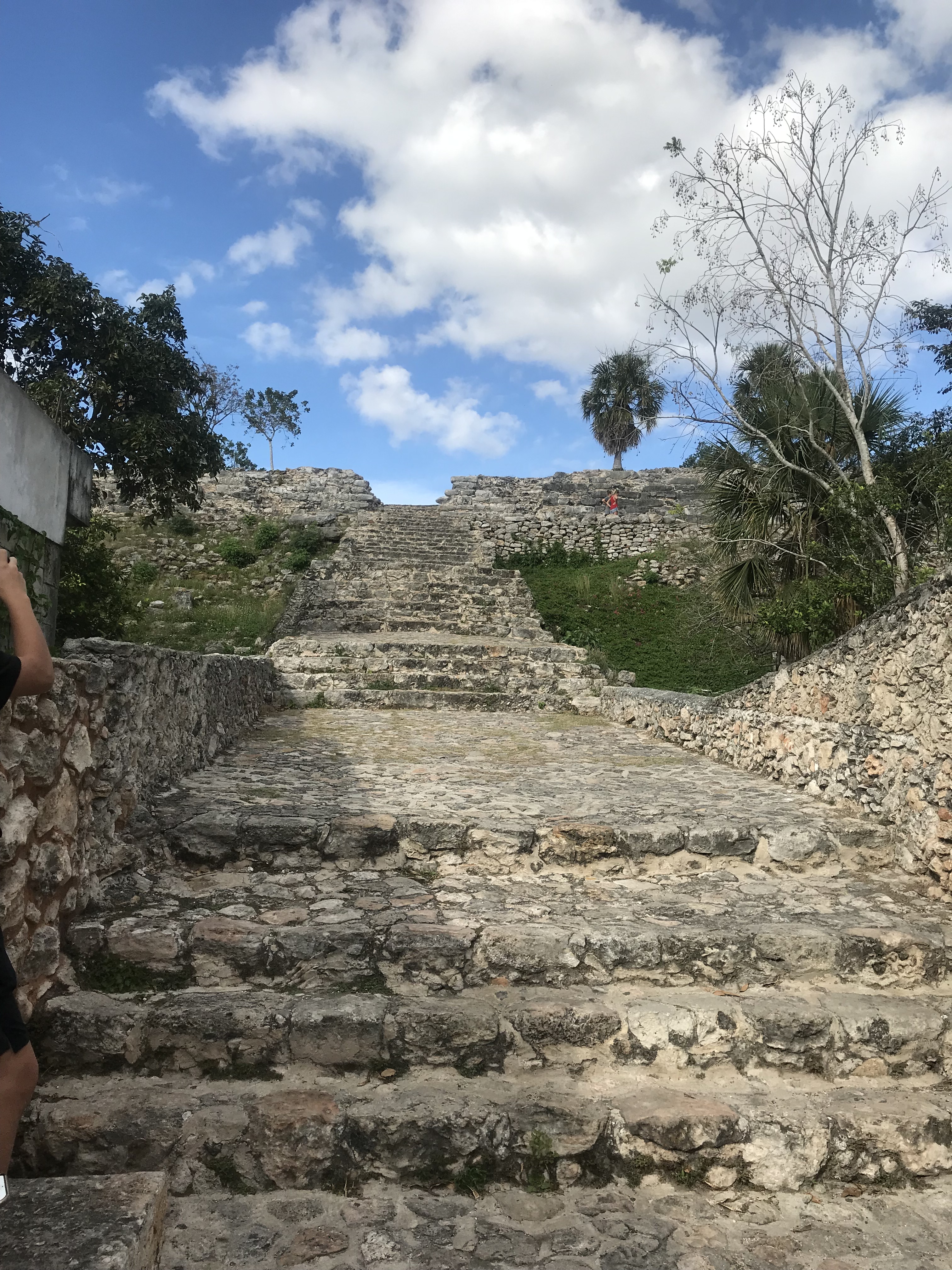
After viewing the henequén store and factory, we walked through town to climb the Kinich Kakmó Pyramid. This pyramid was a temple dedicated to a solar deity and is the largest size wise in ancient Yucatan Mayan civilization (200 meters long, 180 meters wide, 34 meters tall). It was constructed from 400-600 A.D. and was still populated when the Spaniards invaded.

When we finally reached Mérida, I was surprised to see how different it is from Valladolid. Compared to the smaller town of Valladolid, Mérida has a big city feel to it with cars and buses everywhere, people crowding on all the sidewalks, and shops lining all the streets with vendors trying to sell things. Even though we haven’t seen much of it, I much prefer Valladolid with its more easygoing ambiance. I hope that once we begin exploring and seeing more throughout the next few days, I will come to love Mérida as much as I have come to love Valladolid.

Jan. 16, 2019

15 de Enero de 2019

Las ruinas y la playa de Tulum

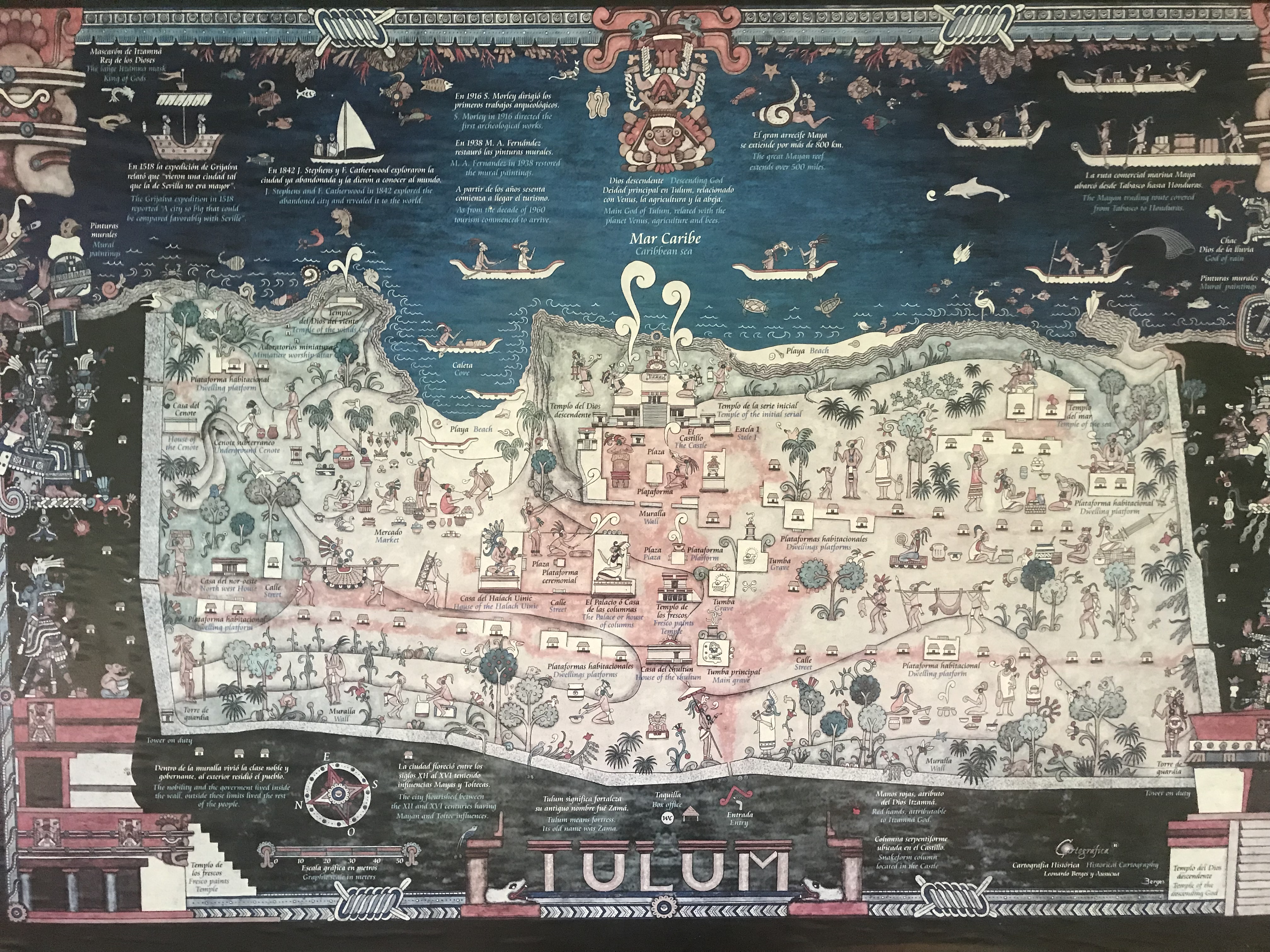
Map of Tulum at the hotel

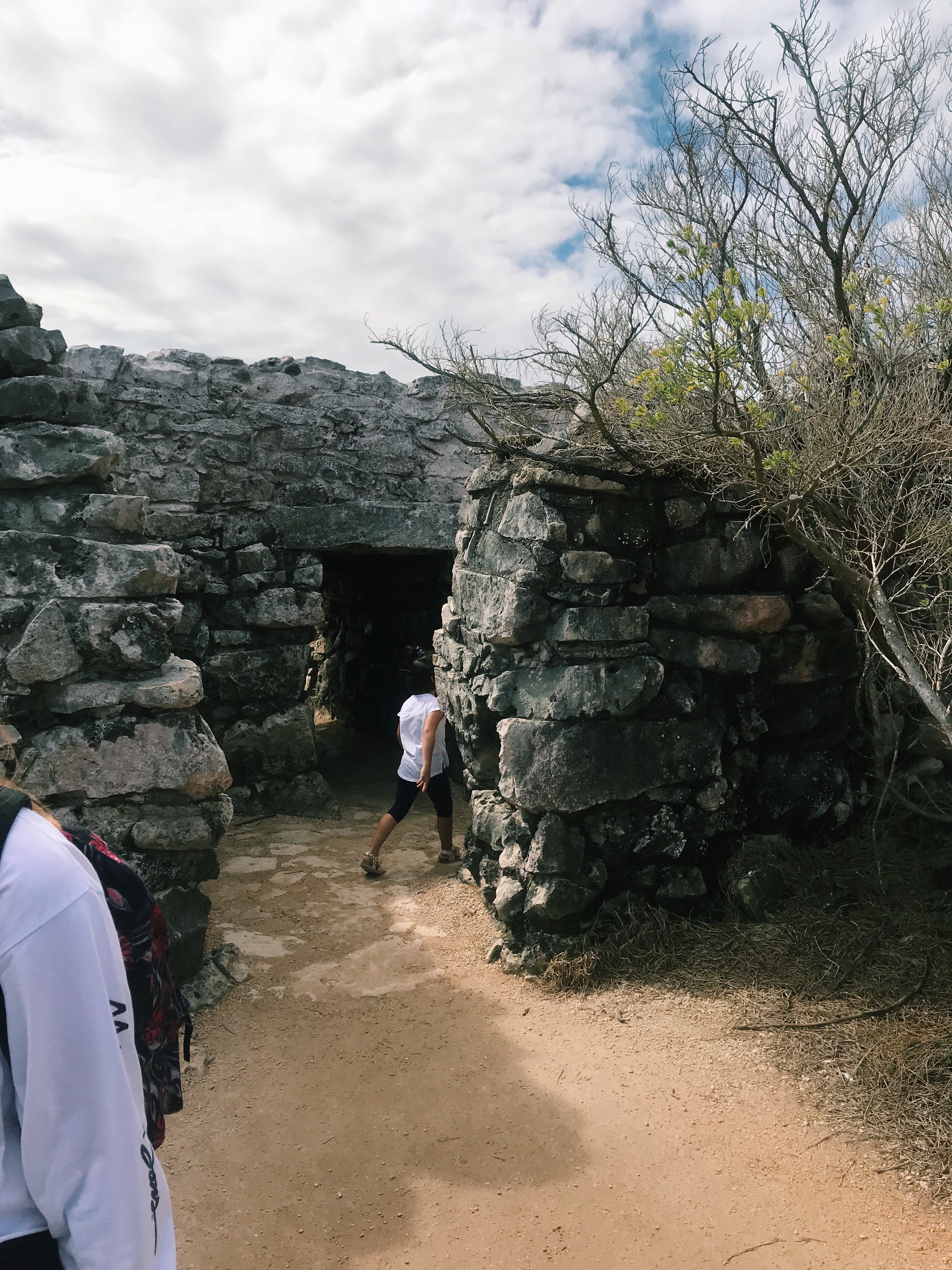
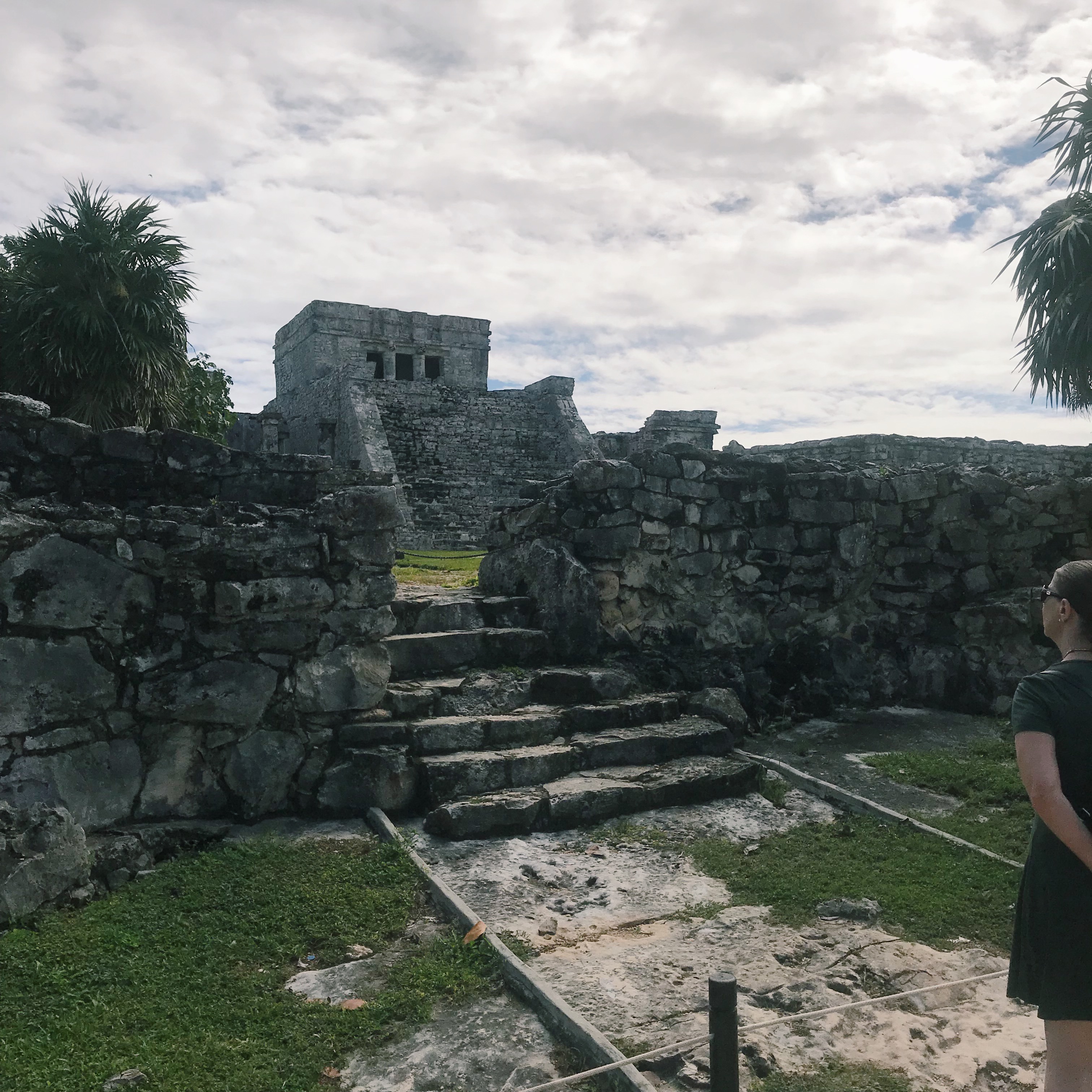
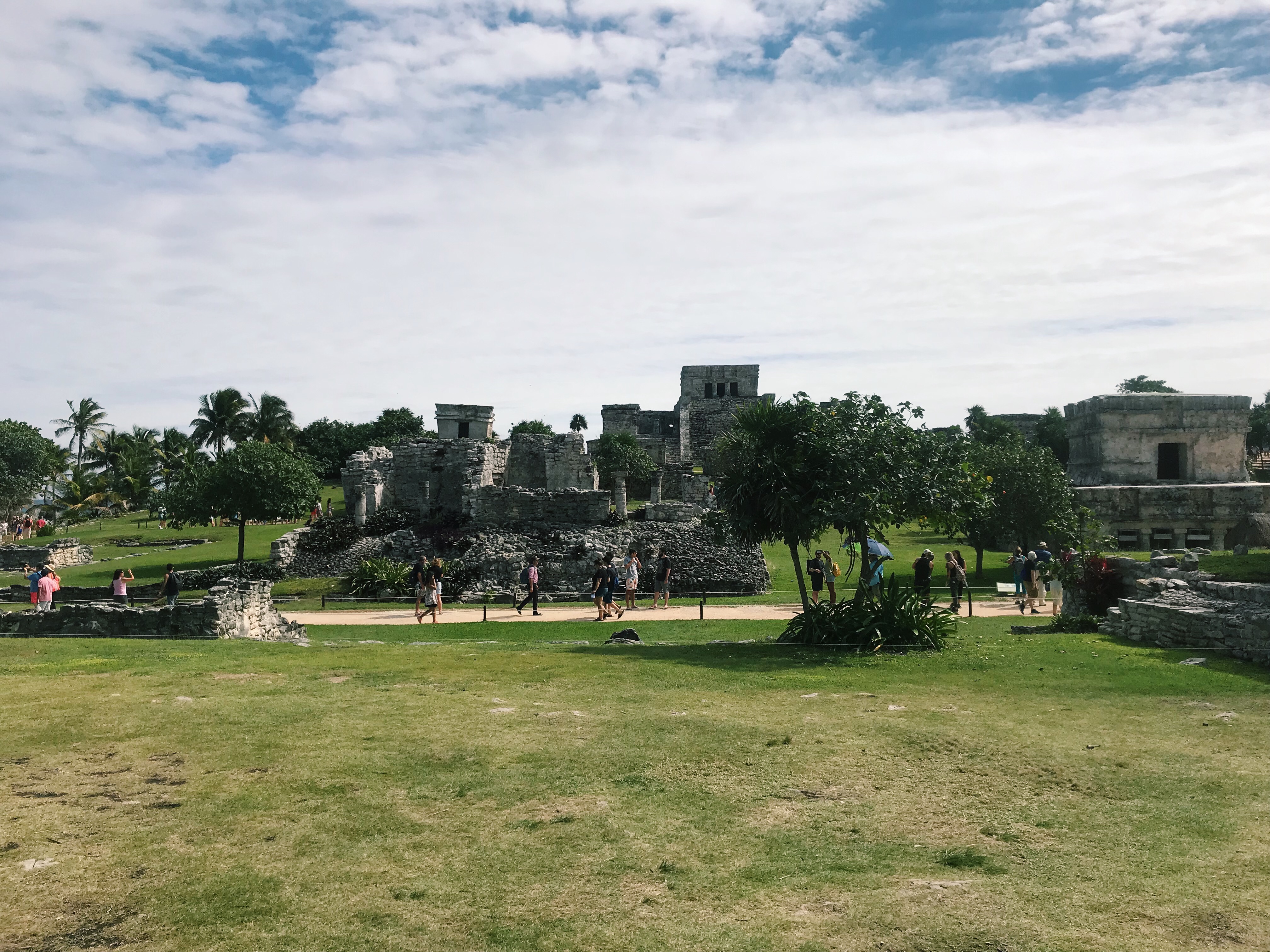
Today we visited the ruins at Tulum, the only coastal city in the ancient Mayan civilization. Due to their proximity to the ocean, Tulum was an important port city for trade. They obtained obsidian and jade from Central America and corn and cotton from Guatemala in exchange for fish, feathers, and animal skins. The Aztecs in Central México were willing to pay a high price for feathers to use to make headdresses for their emperors. .The city of Tulum was surrounded by a stone wall that served as protection and separated the nobility/government officials from the rest of the people who lived outside of the wall. It also enclosed el Templo del Dios del viento, Templo del Dios descendente, and Templo del mar.

After looking at the ruins, we drove to a market to buy food and then to the beach at Tulum to eat and swim. There were a lot of vendors at the beach who were walking around selling things and lots of people paying money to go out on boats. Like Chichén Itzá, Tulum is very popular with the tourists. Both the beach and the ruins were crowded with people. In the book A Salty Piece of Land, the main character, Tully, visits Tulum and notes, “…a parking lot was filled with tour buses that made the daily trek down from the hotels in Cancún with loads of gringos. Unlike the Spanish before them, these gringos were not armed with metal helmets and muskets but with Instamatics and video cameras…the throng of visitors combed over the ruins like ants… going about their vacation activities of taking pictures, posing for videos, eating ice cream, buying T-shirts, and yelling at their misbehaving children in four or five different languages” (Buffett 146-7). This entry in the novel sums up what the tourist life is like at these popular ruin sites. I love that all these people (us included) are able to come to places like Tulum and walk around the sites, but I can’t help but wonder if it takes away some of the true magic and awe of being in what was once a thriving Mayan city.
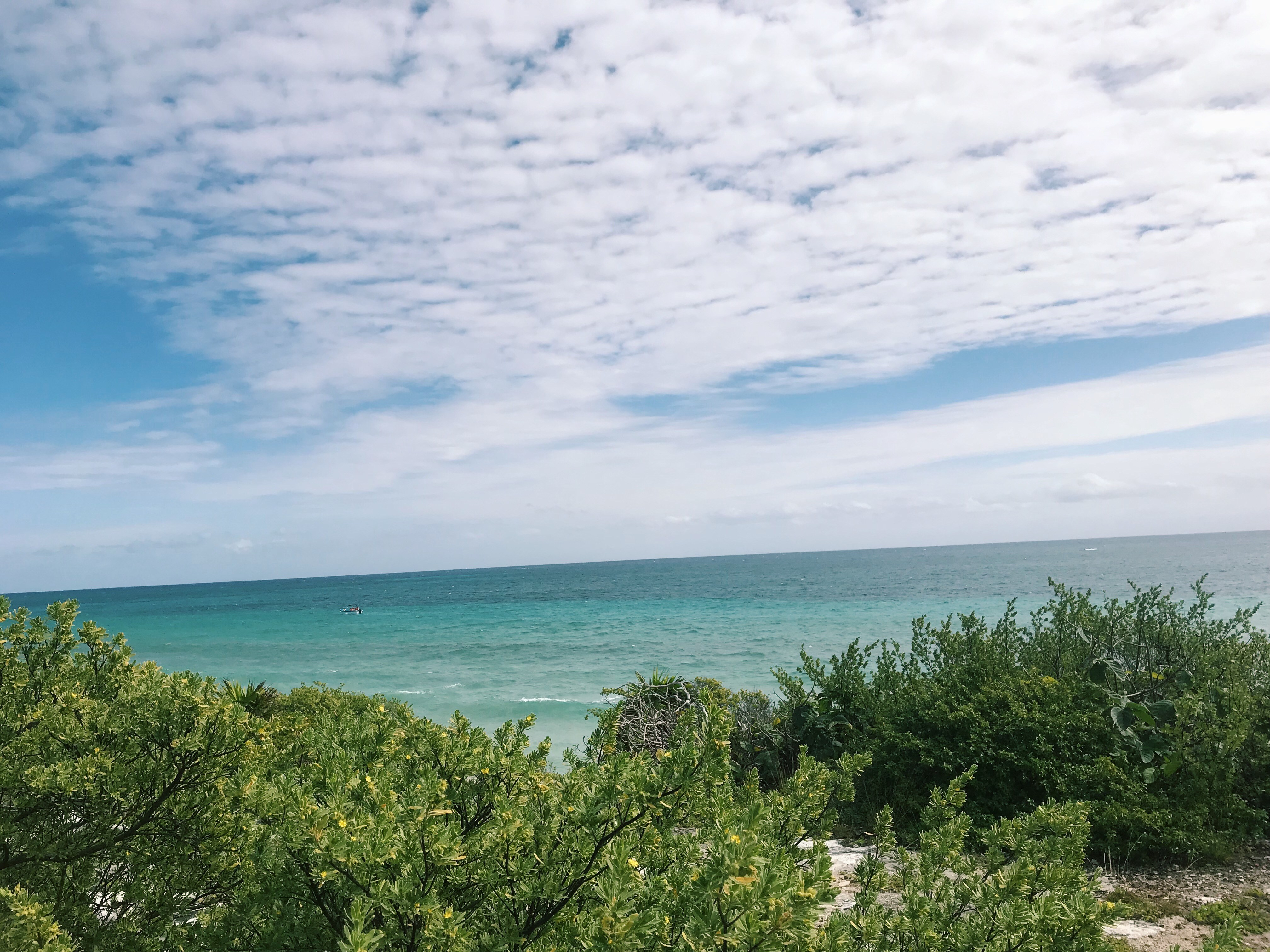
View of the ocean from Tulum

Jan. 15, 2019

14 de Enero de 2019

Visitamos Univseridad de Oriente

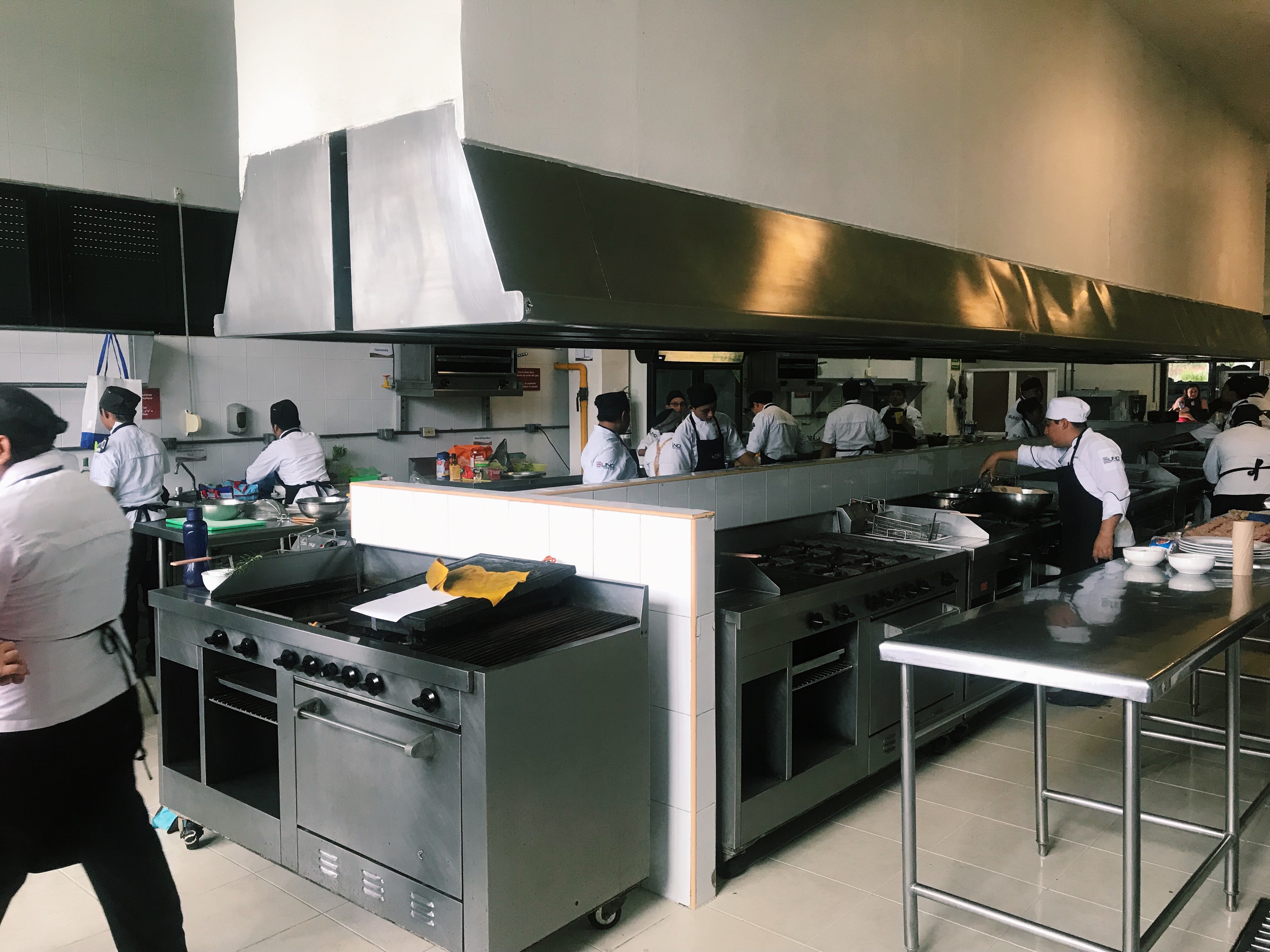
Today we visited a local public university, Universidad de Oriente, and were able to go on a campus tour led by students, eat kibis prepared by culinary students, and meet with the president of the university.

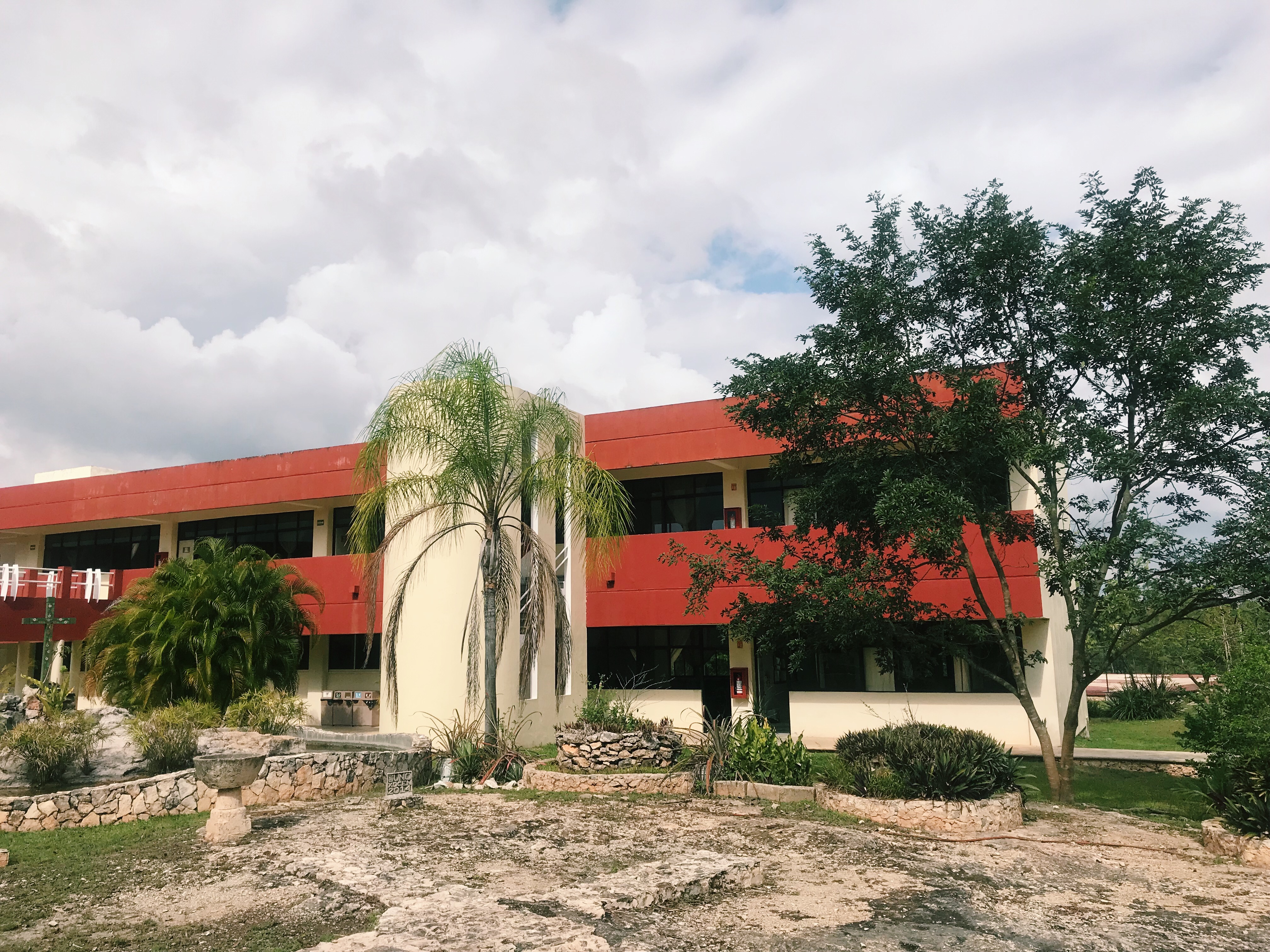
Universidad de Oriente campus

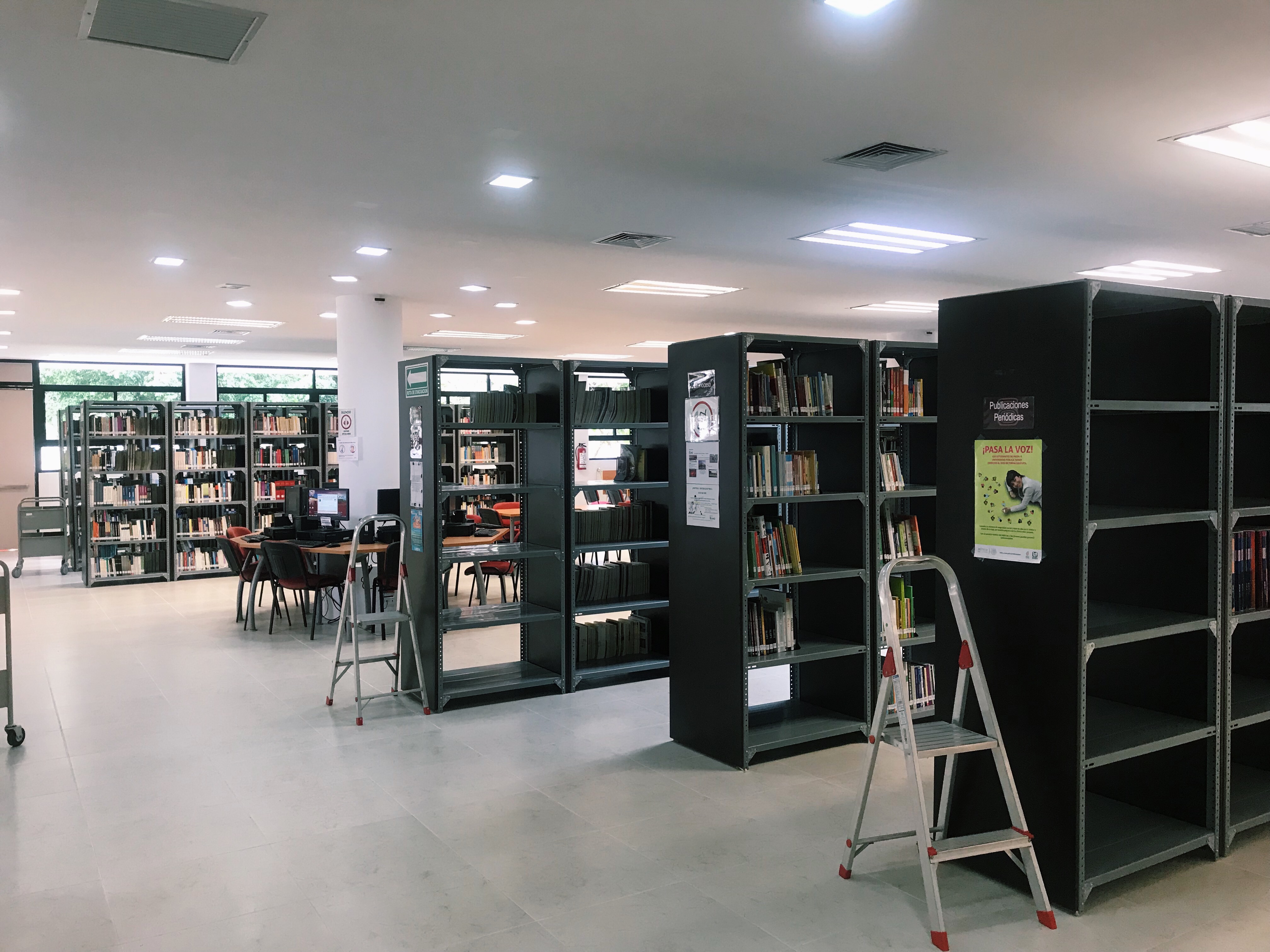
During our tour, the guides Joel and Alejandro walked us through the University’s campus and showed us the library, classrooms, computer labs, and a botanical garden. La Universidad offers courses of study in Public Administration, Library Sciences, Tourist Development, Marketing, Gastronomy (Culinary Practice), and Ethnography and Intercultural Education (which focuses on linguistics and Mayan culture). It is the only school in the Yucantán that offers a course of study in Gastronomy or Mayan language and culture. To accommodate the Gastronomy students, the school has a very large kitchen space where the students are able to practice and learn how to prepare foods. The school also has a specialized computer lab with programs similar to Rosetta Stone where the students are able to study and practice linguistics.

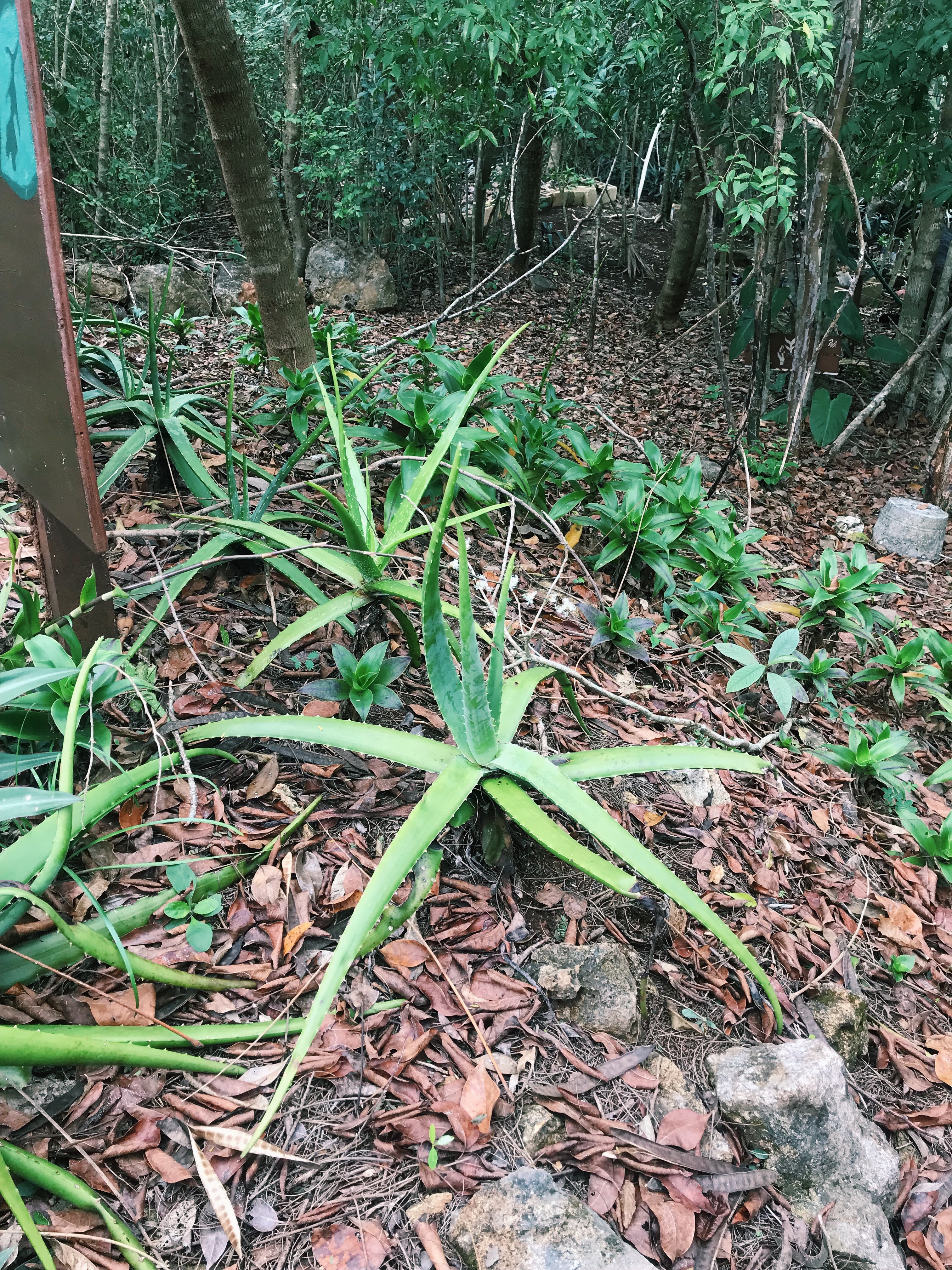
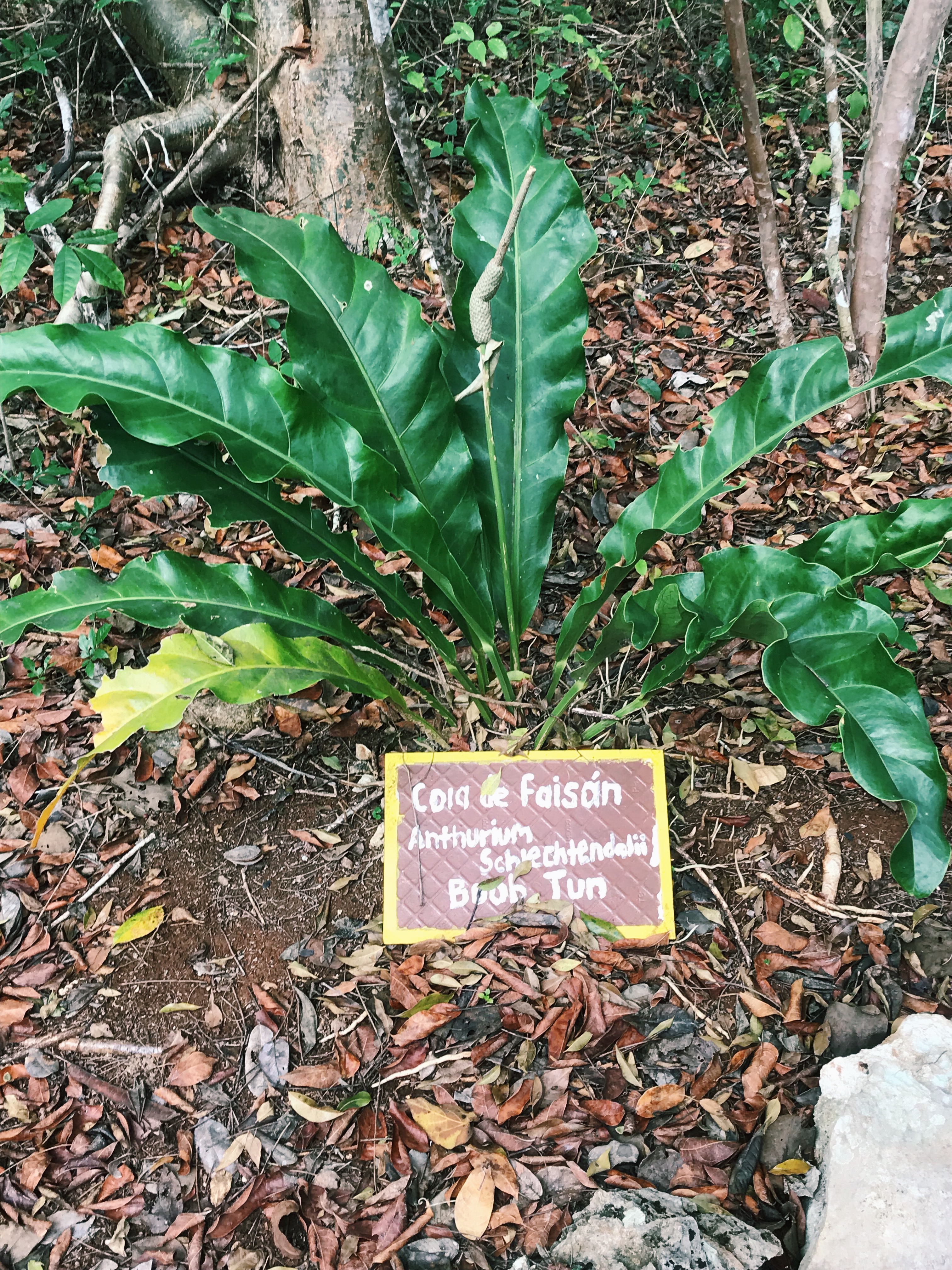
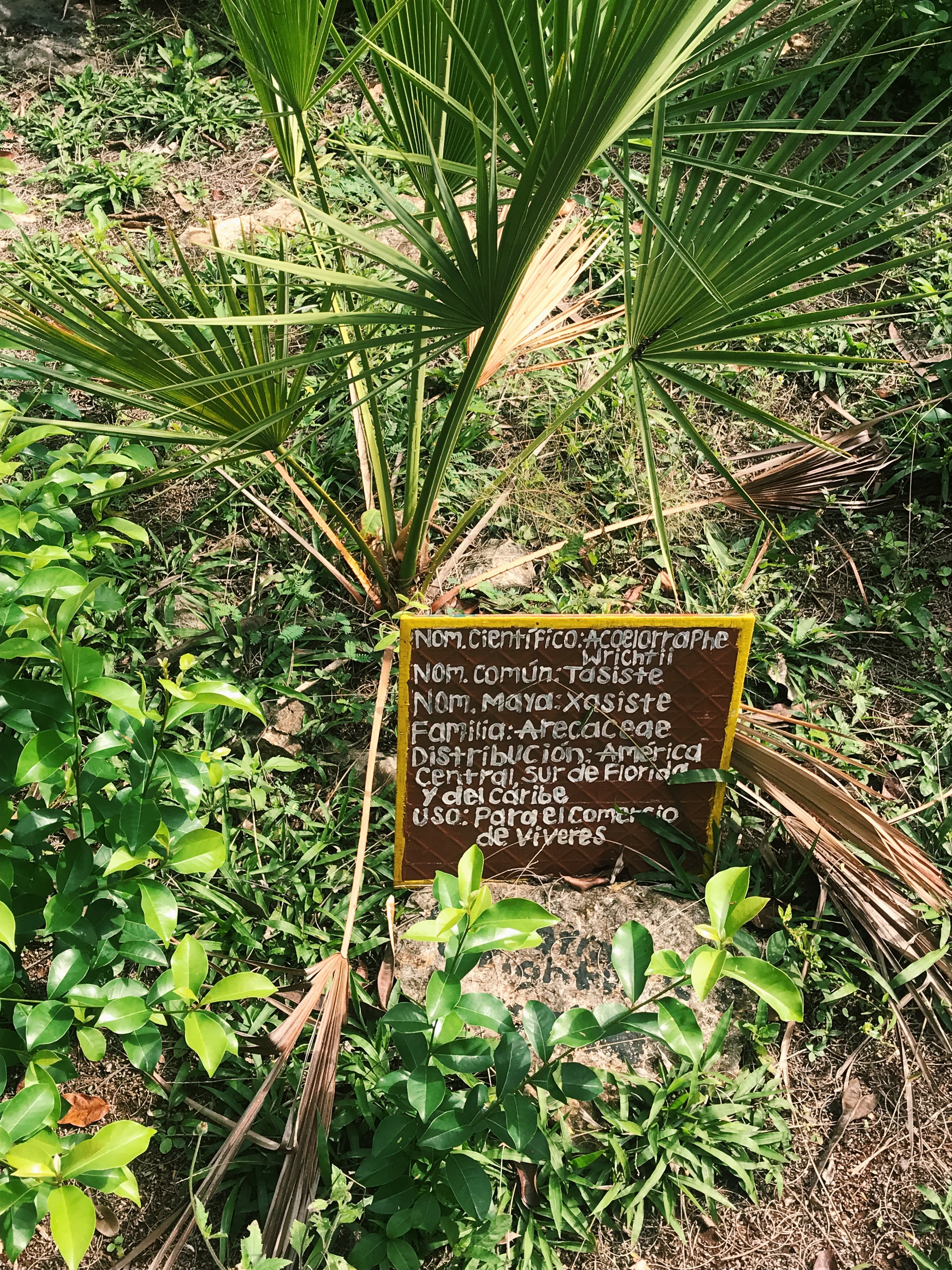
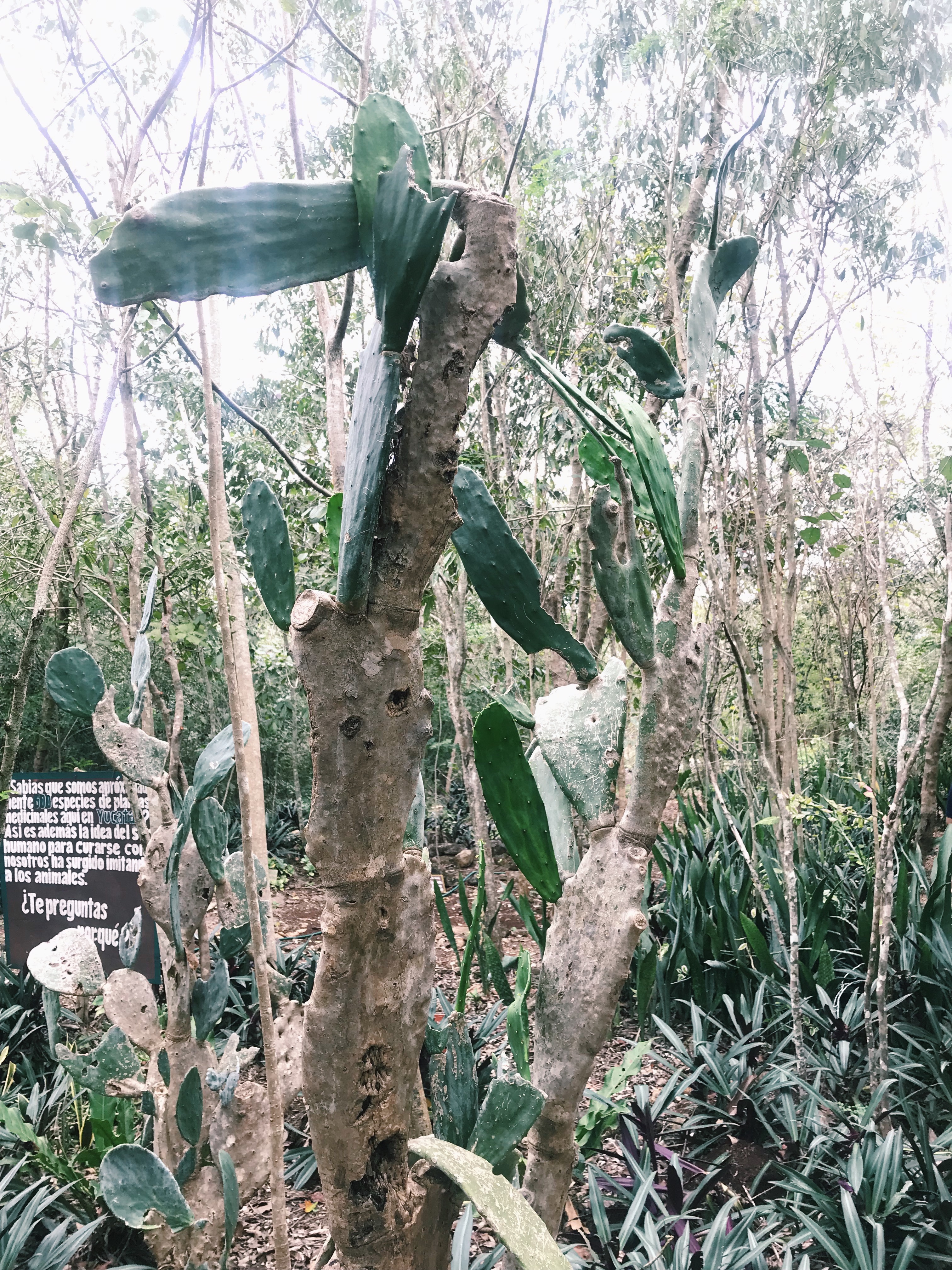
During the tour, Joel and Alejandro showed us the campus Botanical Garden, which each class of students is required to work on. The garden has over 600 identified native plant species, multiple microenvironments, and a sacred area with ceiba trees depicting a Mayan ritual area. On campus there is a sign with both the Spanish and Mayan translations of the quote, “Vivimos en la tierra como si tuvievamos otra a la que ir” (We live on earth as if we have another one to go to -Terri Swearingen). This sign was a project made by students to raise awareness to certain lifestyle choices and conservation of the environment.

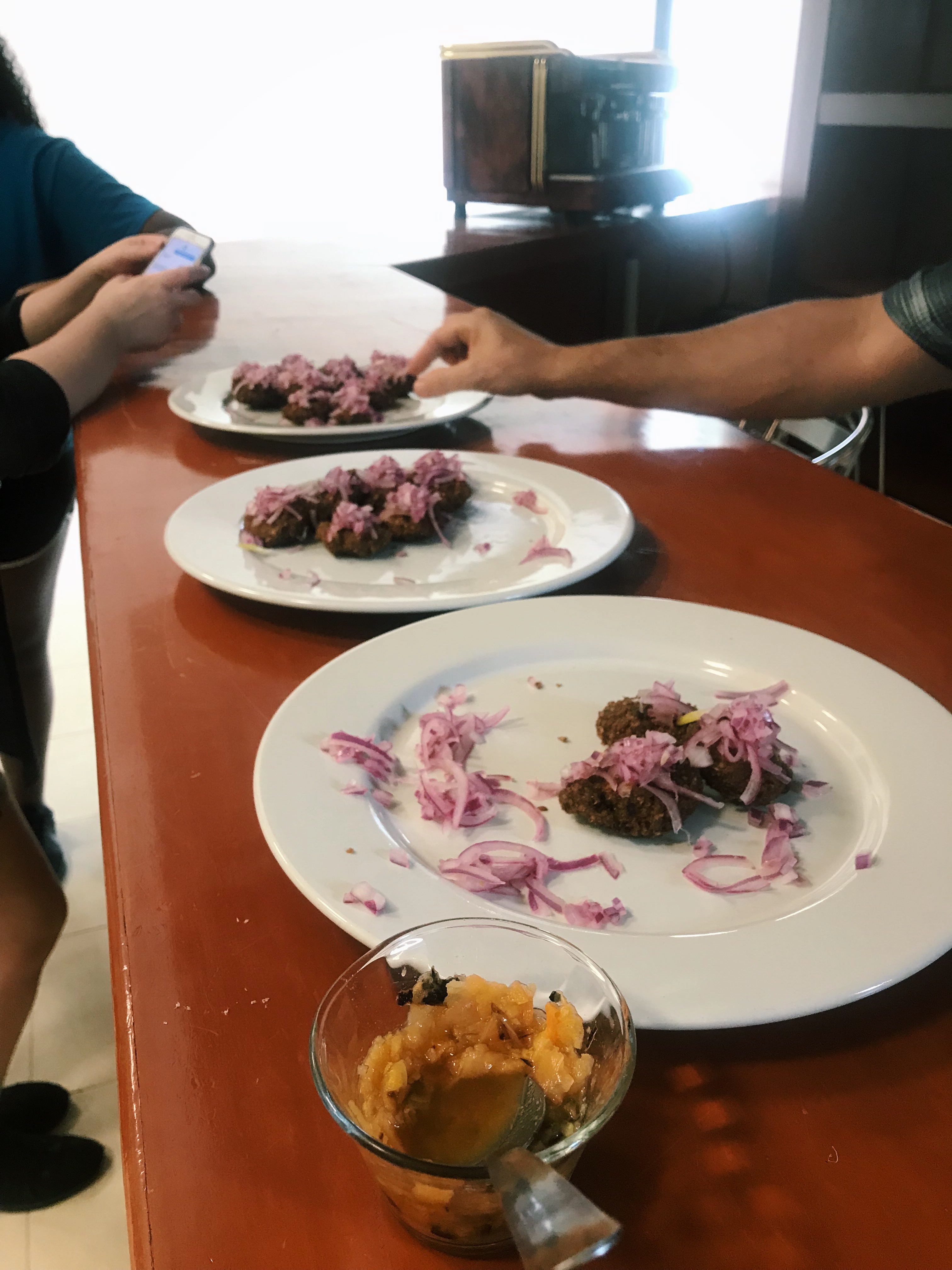
After our tour was completed, we were able to watch the culinary students prepare a dish called kibi. Kibi is made with ground meat, trigo (wheat), sour oranges, and herbs, and is fried in oil. They are rolled into nugget-sized balls and topped with purple onions and pimiento and tasted spectacular. While we ate, we were able to talk to two other students Larissa and Marcelino. It was nice to socialize with students our age and ask them questions about the University. Once we finished eating, we met with the president of the University and other members of the administration. They were incredibly welcoming to us and presented us each with a certificate. We were the first group of international students that they have hosted, and they told us multiple times that their doors are always open to us if we would like to come back and spend time studying at their University. In addition, we hope to establish some sort of exchange program where students from Universidad de Oriente are able to come to Virginia and study.

Kibis con cebolla y pimiento

Compared to Virginia Wesleyan, Universidad de Oriente is similar in the aspect that they are both small universities with a close-knit student population. They also seemed to be involved in environmental conservation, especially with maintaining the botanical garden to preserve biodiversity. We also share this desire at VWU with the introduction of the sustainable Greer Environmental Science Center. Universidad de Oriente has three sports teams, voleibol, fútbol, y softbol and offers very different majors than we have that are a lot more specialized to what is relevant to them. For example, since they live in an area that is highly dominated by tourists, a major in Touristic Development is beneficial to a future career in places like Cancún. The students that go here live off campus, as there are no options for on-campus housing. Most of them live nearby or rent apartments close to the campus. It was very interesting to see the differences between what I am used to at Virginia Wesleyan and what student life is like in Valladolid, and I hope to be able to see the students again (either in Valladolid or in Virginia Beach).

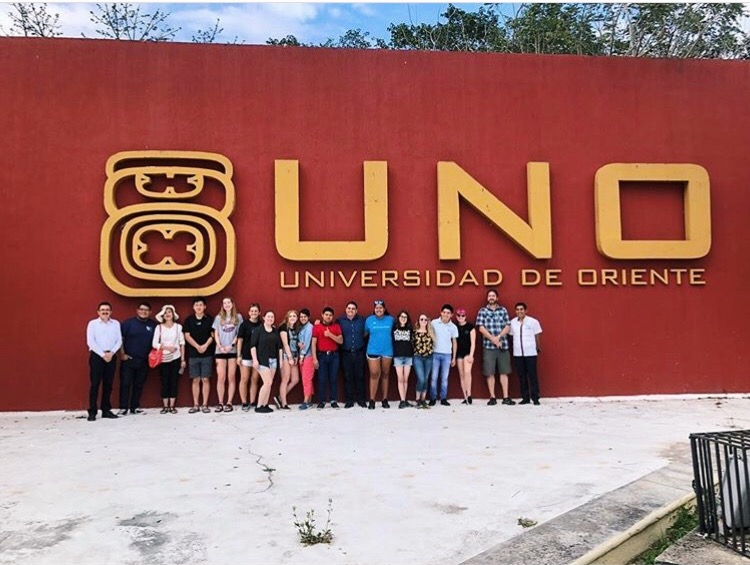
Our class, students from UNO, and administrators

Jan. 14, 2019

13 de Enero de 2019

Ciencia marina y Cultura mexicana

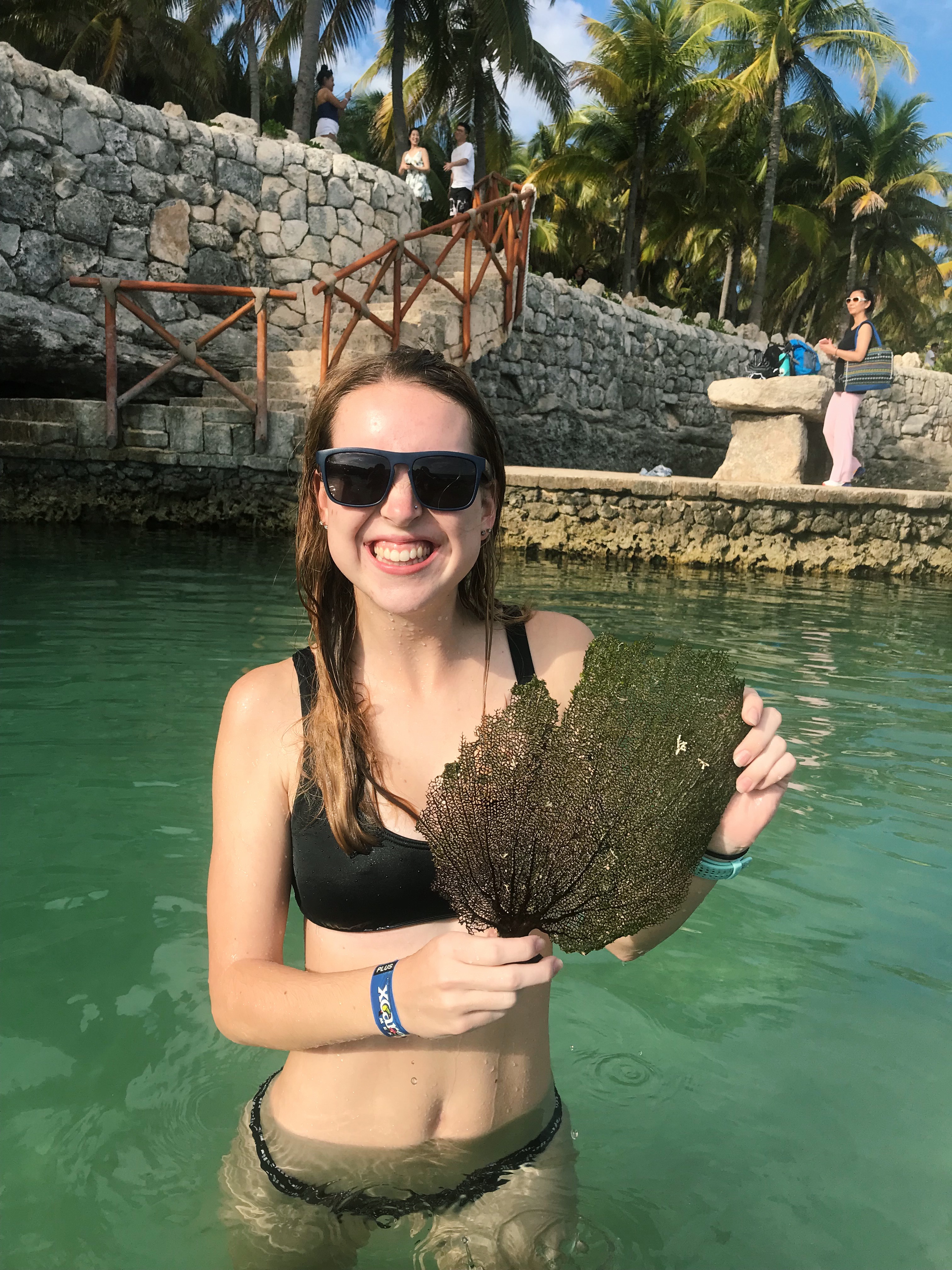
Today we drove back to Cancún to spend the day at Xcaret Park, an amusement park located on the beach that felt like a cross between Sea World and Ocean Breeze Waterpark. Immediately after the worker gave us a brief overview of the park, a group of us headed straight for el rio subterraneo (underground river). We strapped on life jackets and floated/swam our way through a series of caves and coverings that separated the natural river from the rest of the park above us. The water that carried us along was the same clear blue as the cenote we swam in earlier this week, but due to our proximity to the ocean, the water was very salty. Unfortunately, we were not allowed to bring our phones with us in the river, so I don’t have any pictures of us in it. Once we made it to the end (about 45 minutes later), we stopped for a quick lunch an at international food buffet and then walked over to shallow rock pools created by fossilized coral reefs.

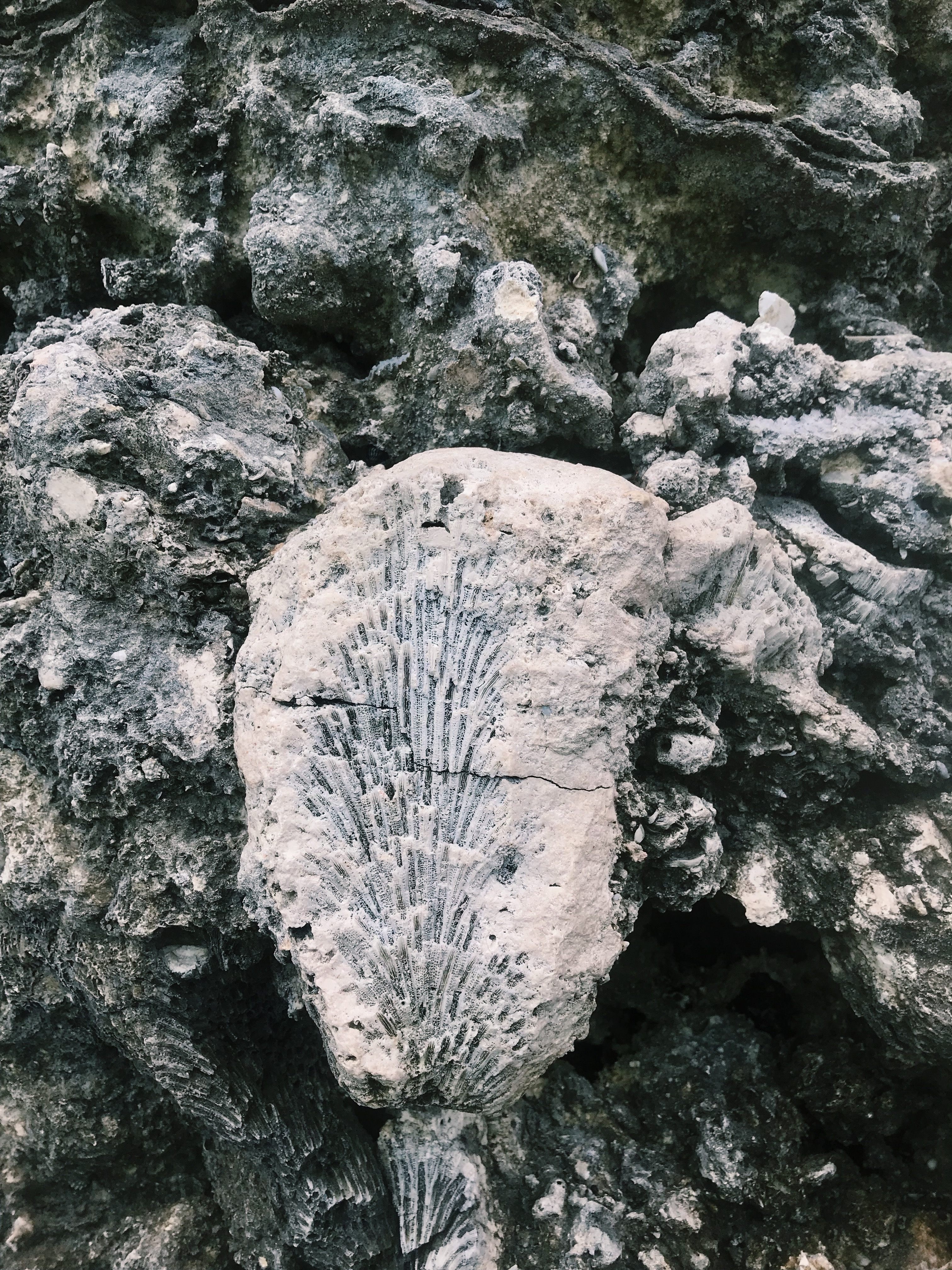
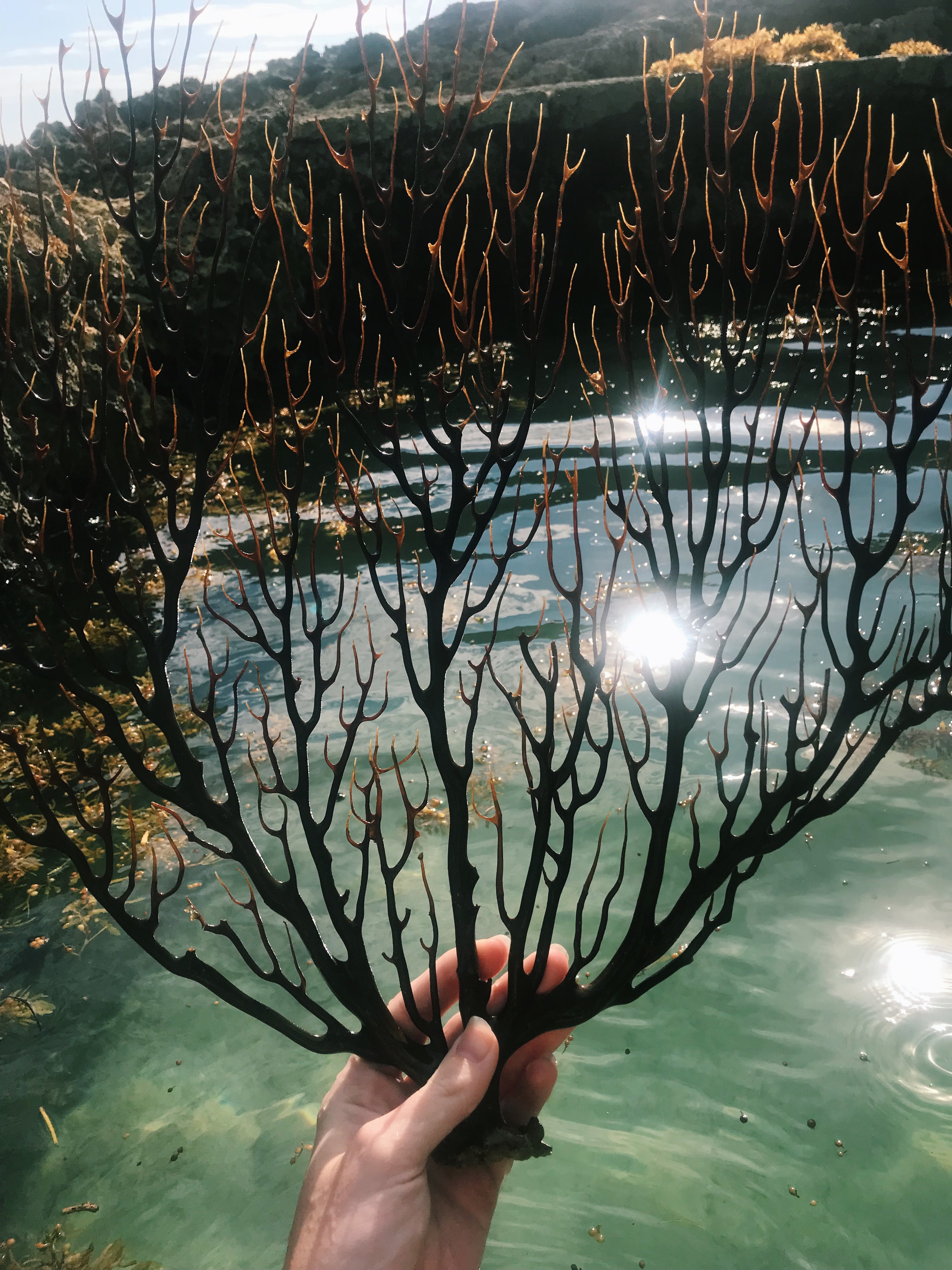
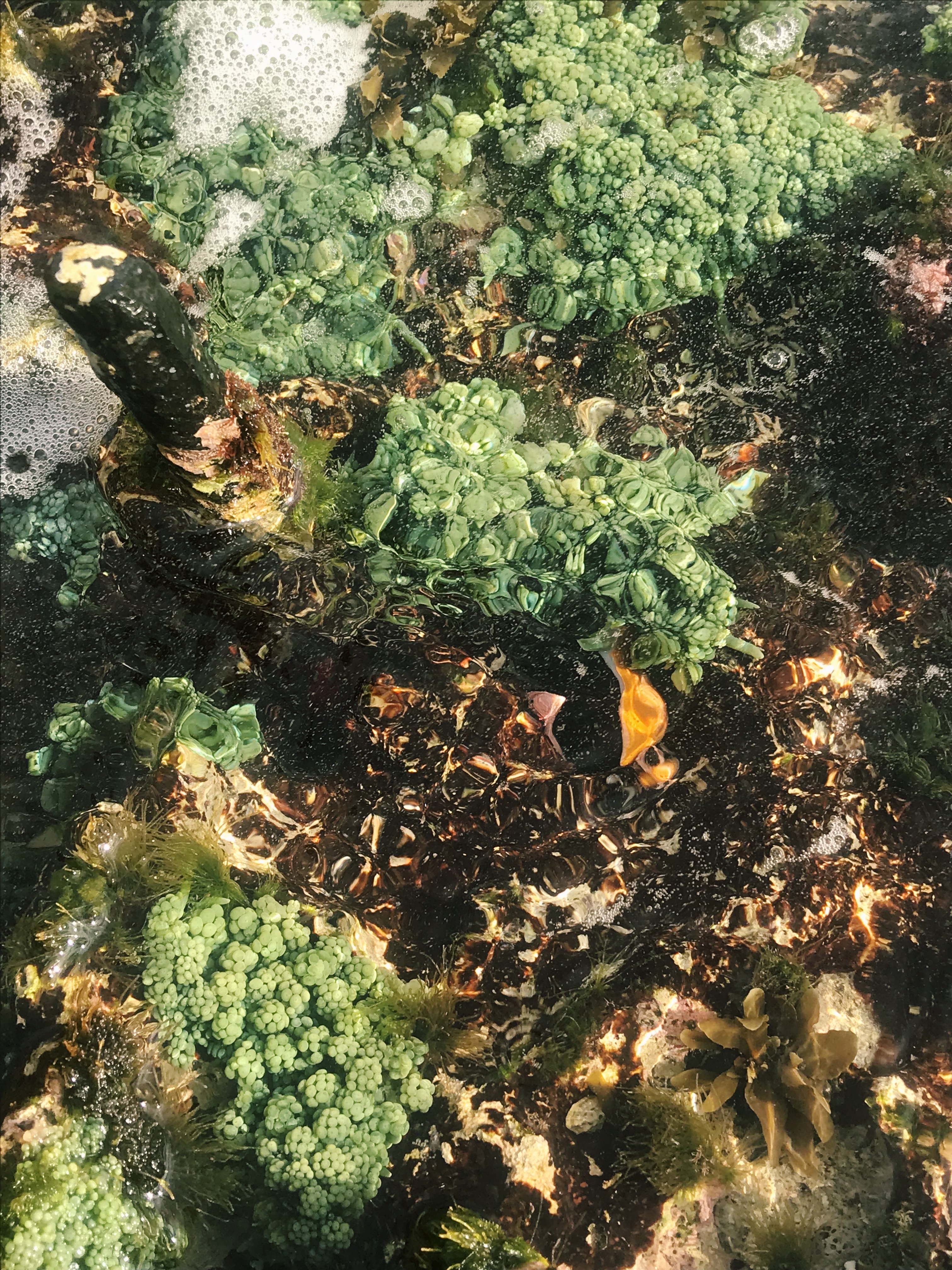
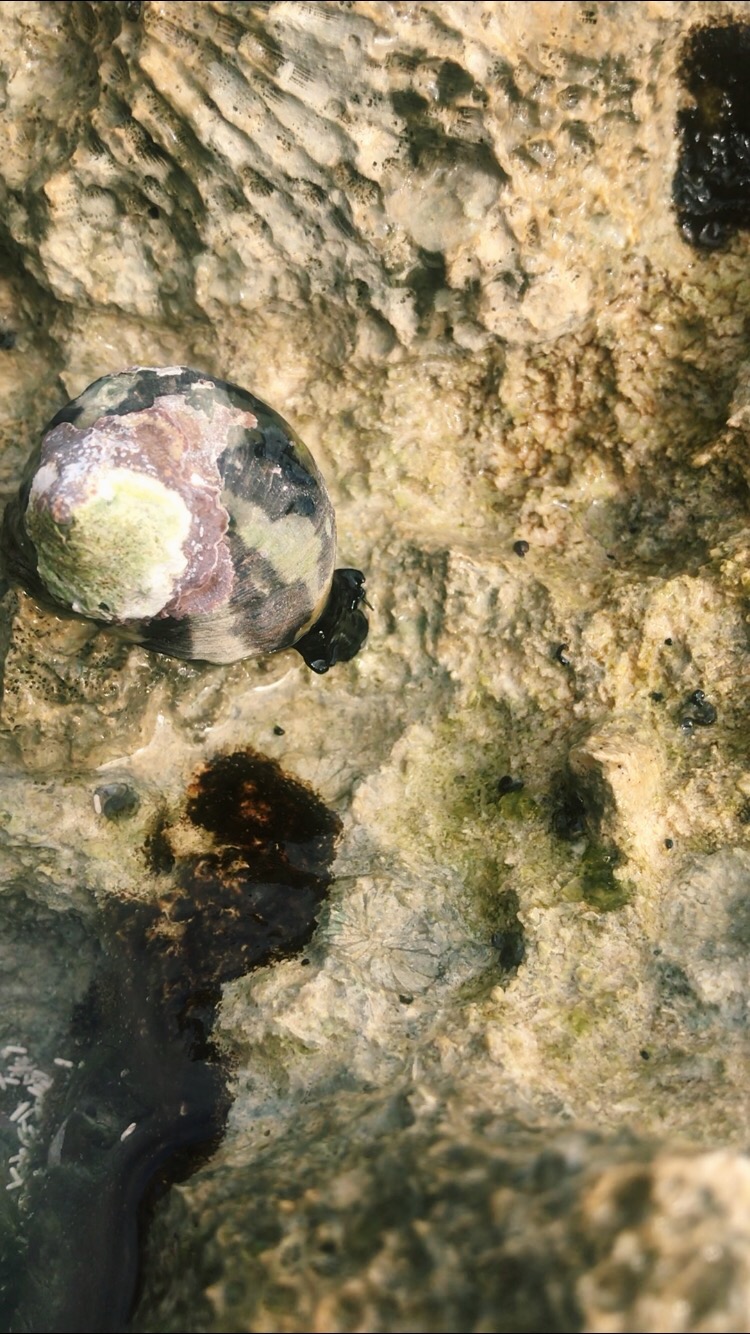
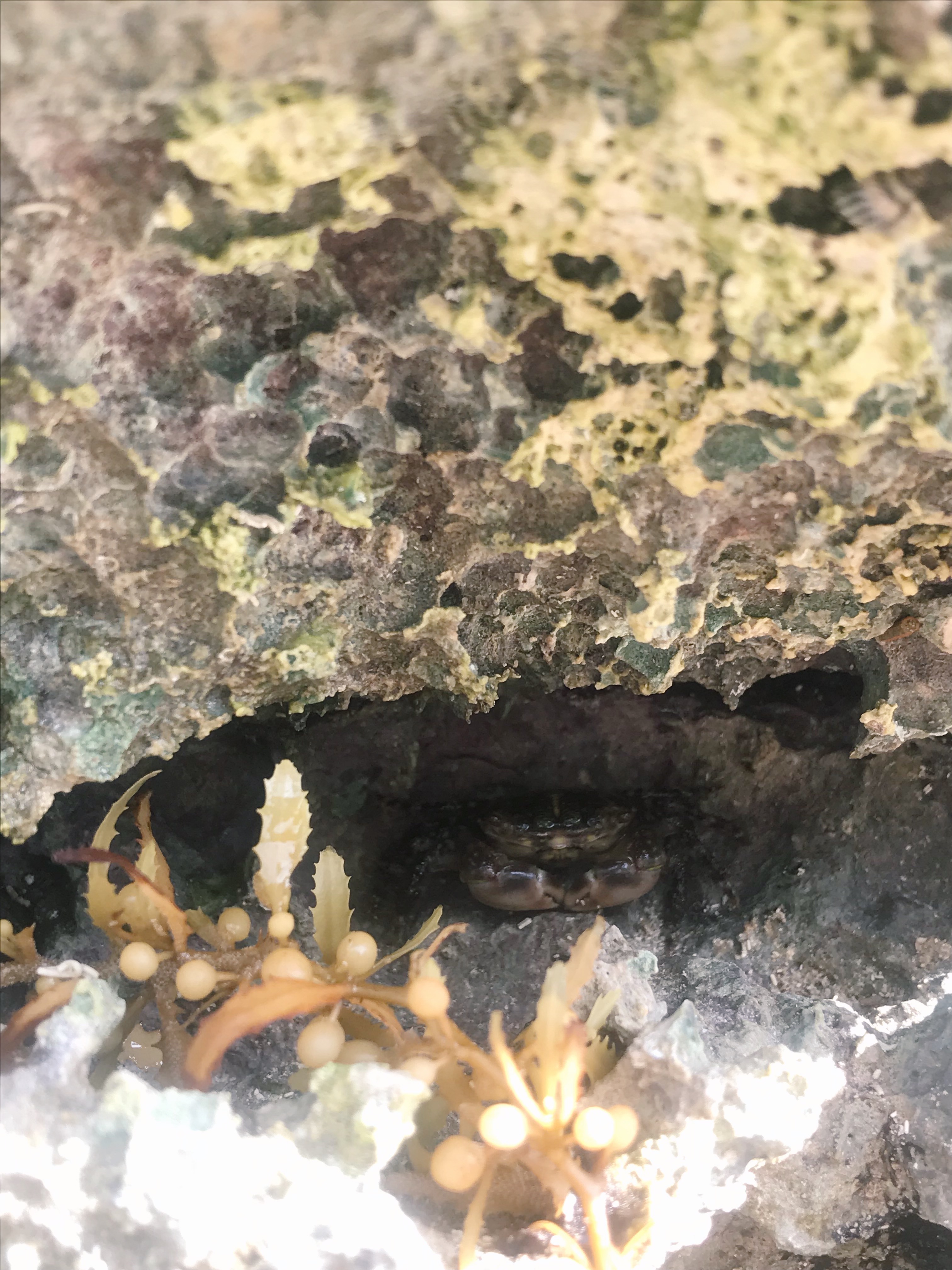
In these pools, I found lots of marine life including two different types of coral that had washed in from the incoming waves crashing over the reef,
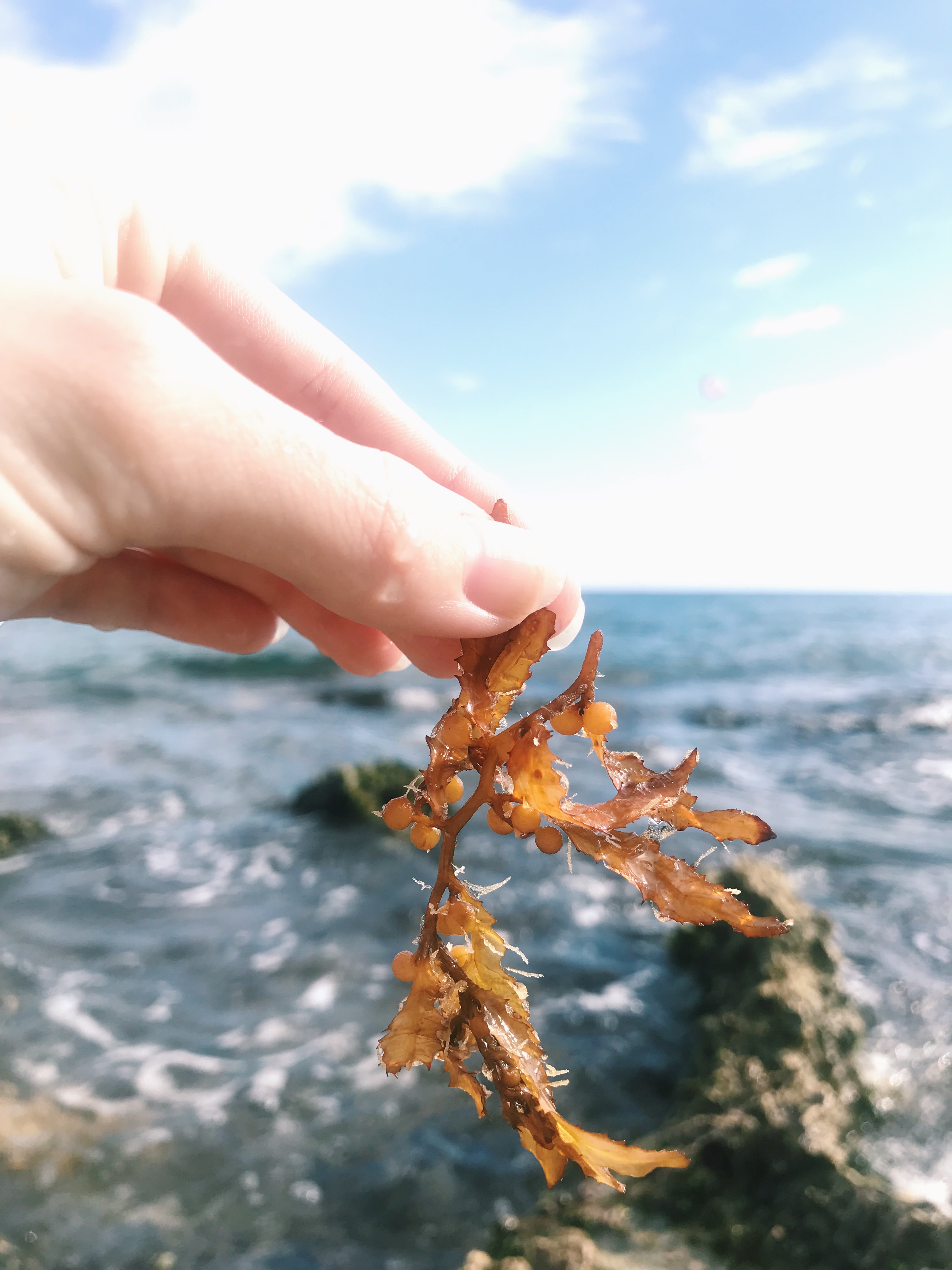
Sargassum (a type of brown macroalgae), fish eggs, small crabs, hermit crabs, and sea snails. There were also many species of small fish in the natural pools. As someone who is studying Marine Science, I was beyond excited to explore these small pools and examine the fossilized remains in the old reefs. Unfortunately, we were not able to explore out into the open sea (at least not without paying first), but exploring the fossilized reef was almost as cool as exploring a live one.

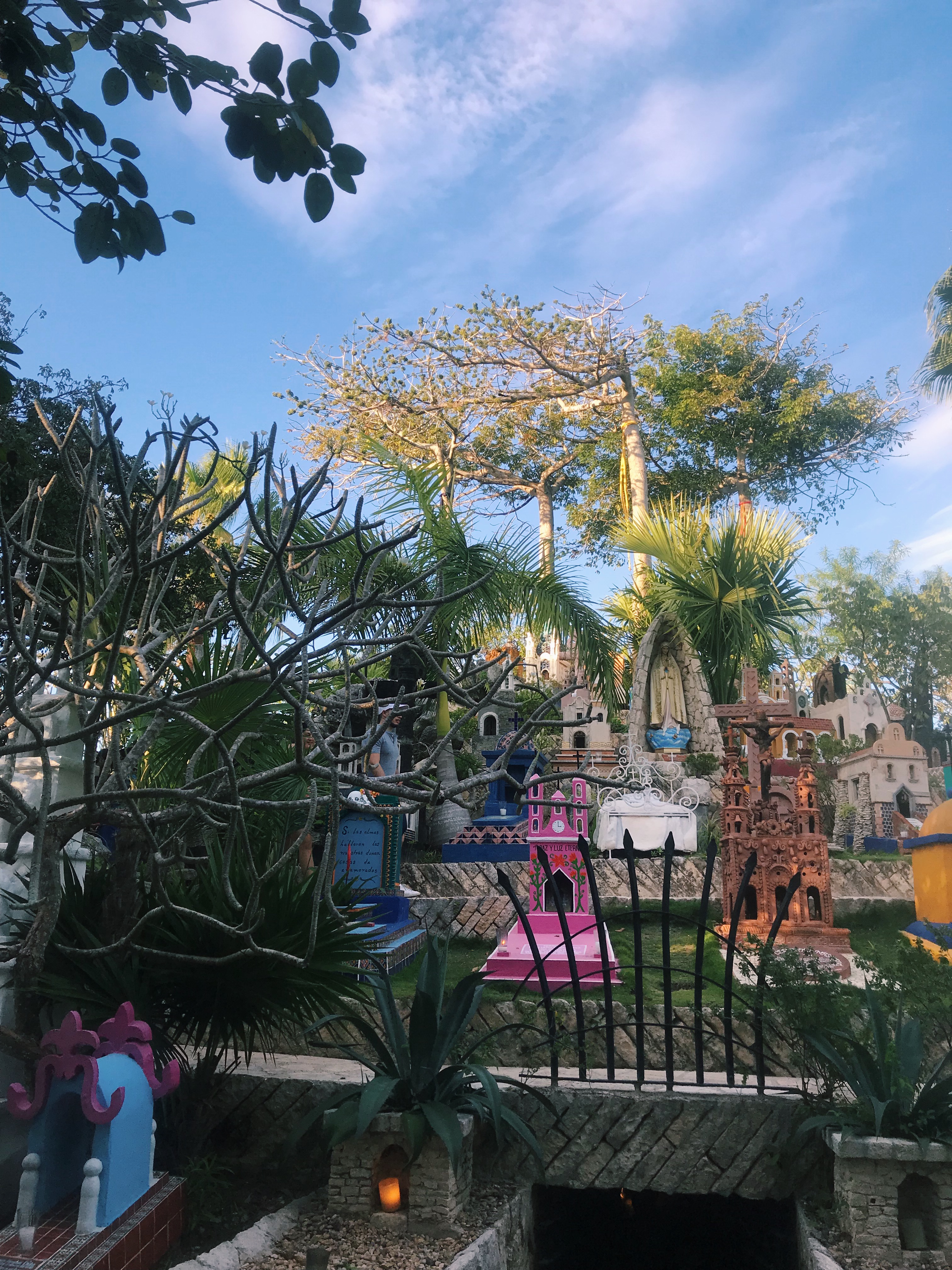
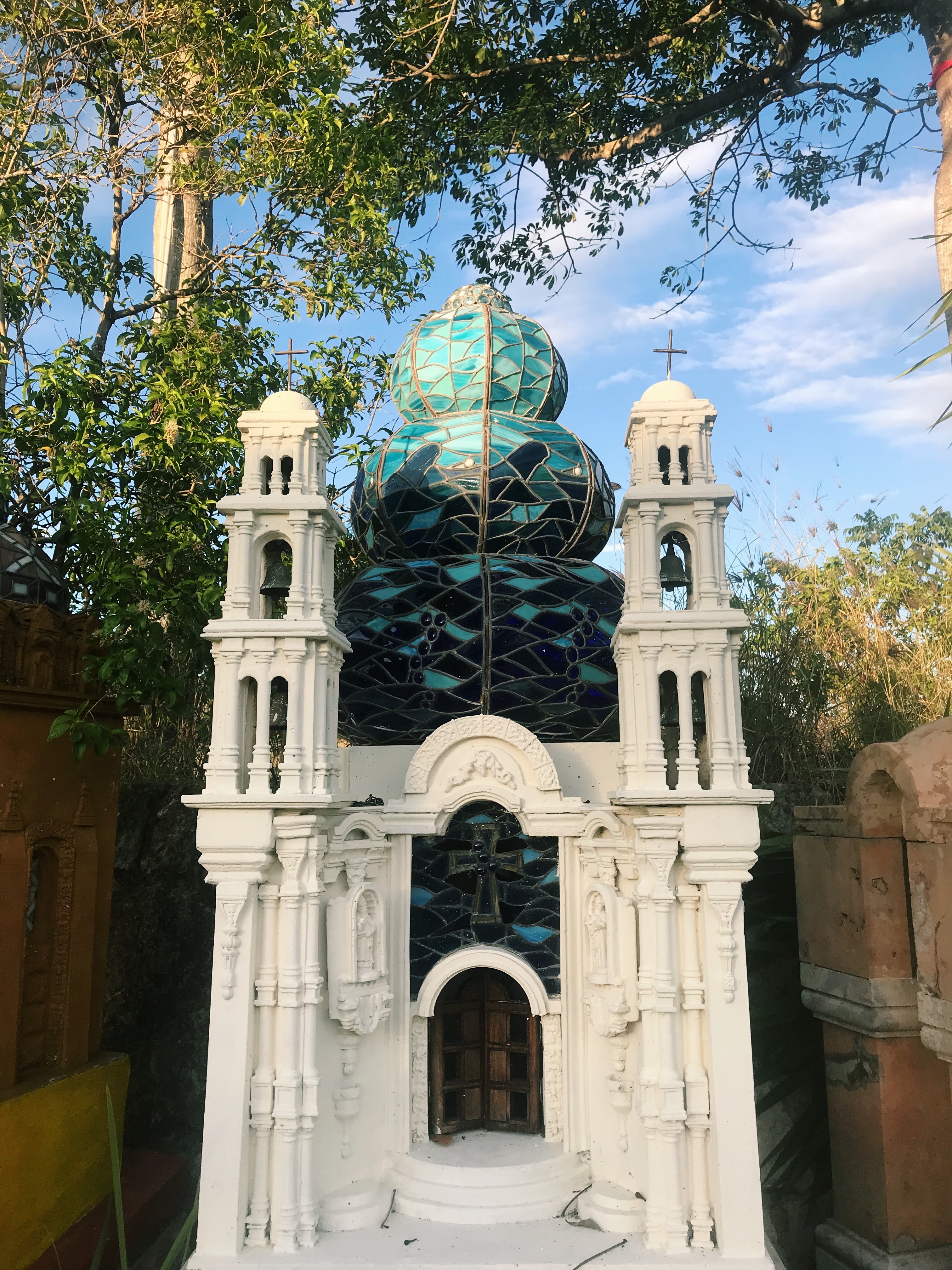
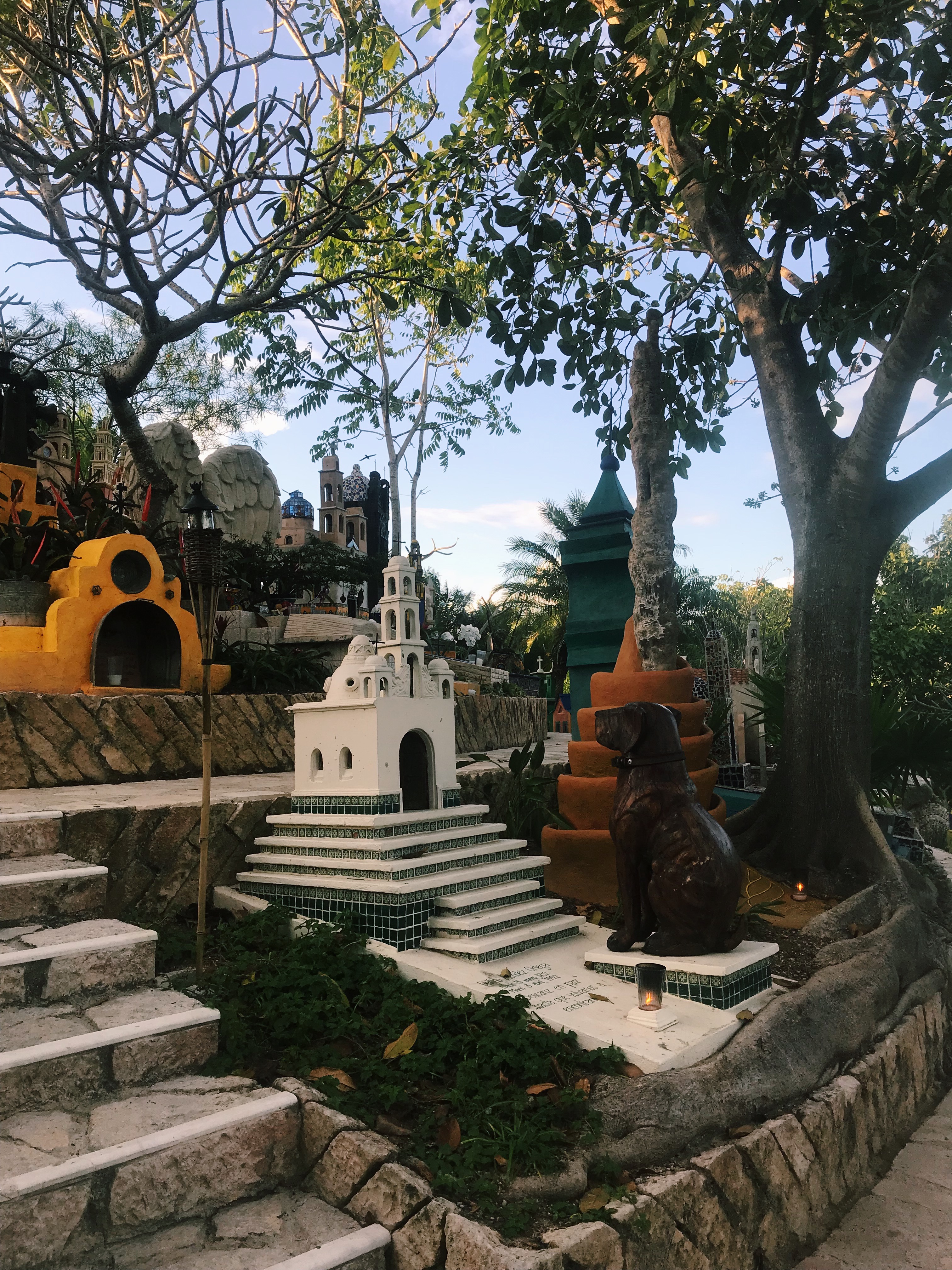
After spending a lot of time in these pools, three of us walked over to a small inlet beach to sit in the sun and relax. This free time was much needed after how busy we have been since we arrived in México. We waited for the sun to peak out from its hiding place behind the clouds, but it kept hovering on the very edge, and it never got any sunnier. Eventually, we gave up on waiting and decided to walk around more of the park. We saw a manatee exhibit, jaguar exhibit, and a colorful Mayan cemetery. The cemetery had 365 tombs, 7 levels, and 52 steps total and was topped off with the sacred ceiba trees, just one example of how much the Mayans appear to have loved symbolism and representation. The graves themselves were decorated with intricate sculpting and bright coloration.

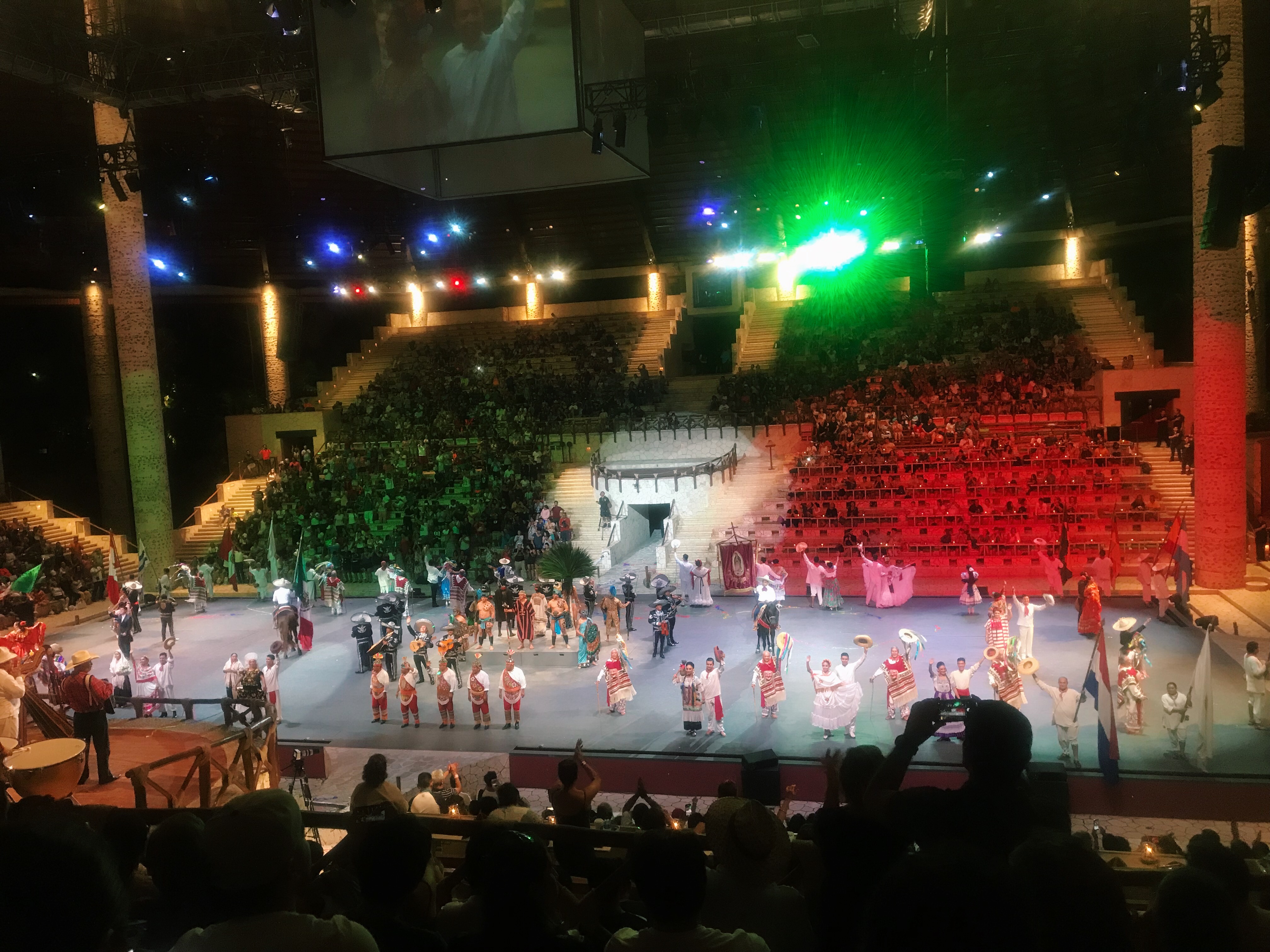
When we were finished walking around the park, we met with the rest of the class to watch a light and music show about the history of Mexico. The show started with a depiction of the ancient Mayan civilizations and included el juego de pelota as well as a new game that was similar to hockey with a flaming ball. This segment went on to describe how the population was altered when the Spanish invaded, specifically their conversion to Catholicism. The show used vibrant lights, talented dancers, and energetic music to represent different cultures of Mexico and their history, legends, and dances. The espectáculo de luces y música ended with all of the dancers representing the different regions came together for a final song (which was likely the national anthem) to show the unifying of the country over time. This show was probably the most educational part of the day and by far the most captivating live performance I have seen.

Finale of the show

Generally speaking, today seemed more like a fun day off at a park when compared to the rest of the activities we have done, but we were still able to learn a lot about the Mexican culture. So far on this trip, we have been focusing heavily on Mayan culture, so it was nice to have a little break from that and learn about the cultures making up the country as a whole. I really enjoyed spending time in the rocky pools and being able to apply knowledge I have in other fields. I loved being able to apply more interdisciplinary perspectives to this trip and look forward to what I’ll be learning next.
Jan. 13, 2019

12 de Enero de 2019

Producción de chicle y carne de tepezcuintle

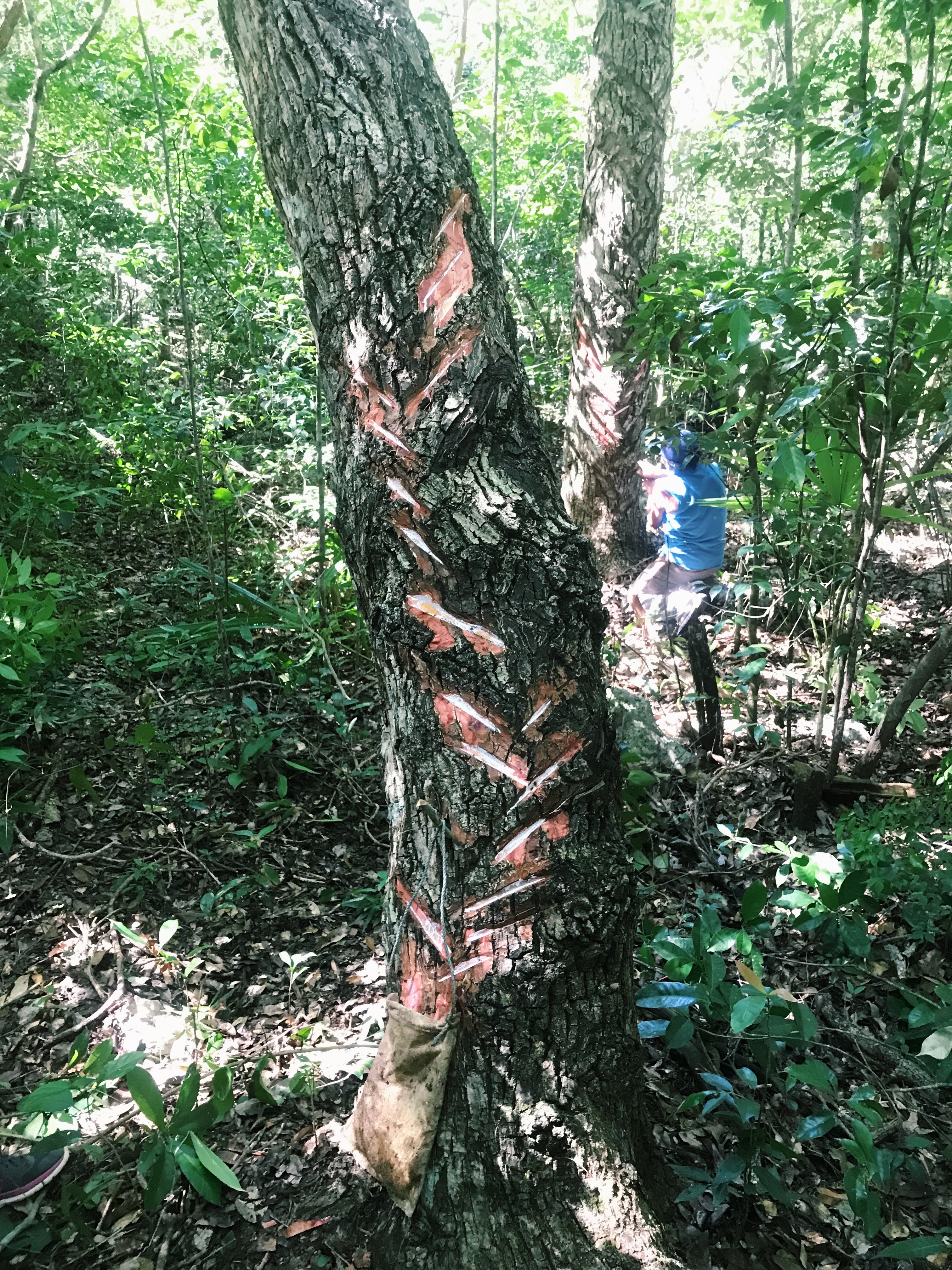
Today we drove about two hours to Quintana Roo to learn how Mayans make chicle (gum). We were led deep into the jungle by a man named Noberto and his father, Alejandro. Their family, including Alejandro’s 94 year old father who only spoke Mayan, has been harvesting and making chicle for over 70 years. To do this, the men would prepare to spend weeks in the selva (forest) by eating foods rich in fat and protein and then going out and harvesting the resin from chicozapote trees. As we entered the selva, we left an offering of tobacco (in the form of cigarettes) to show respect to the gods and ask permission to use the land. Instead of being owned by a single person or government, the Selva Maya de Pino Suárez is a shared land in the community that all of the members are able to use as they need to.

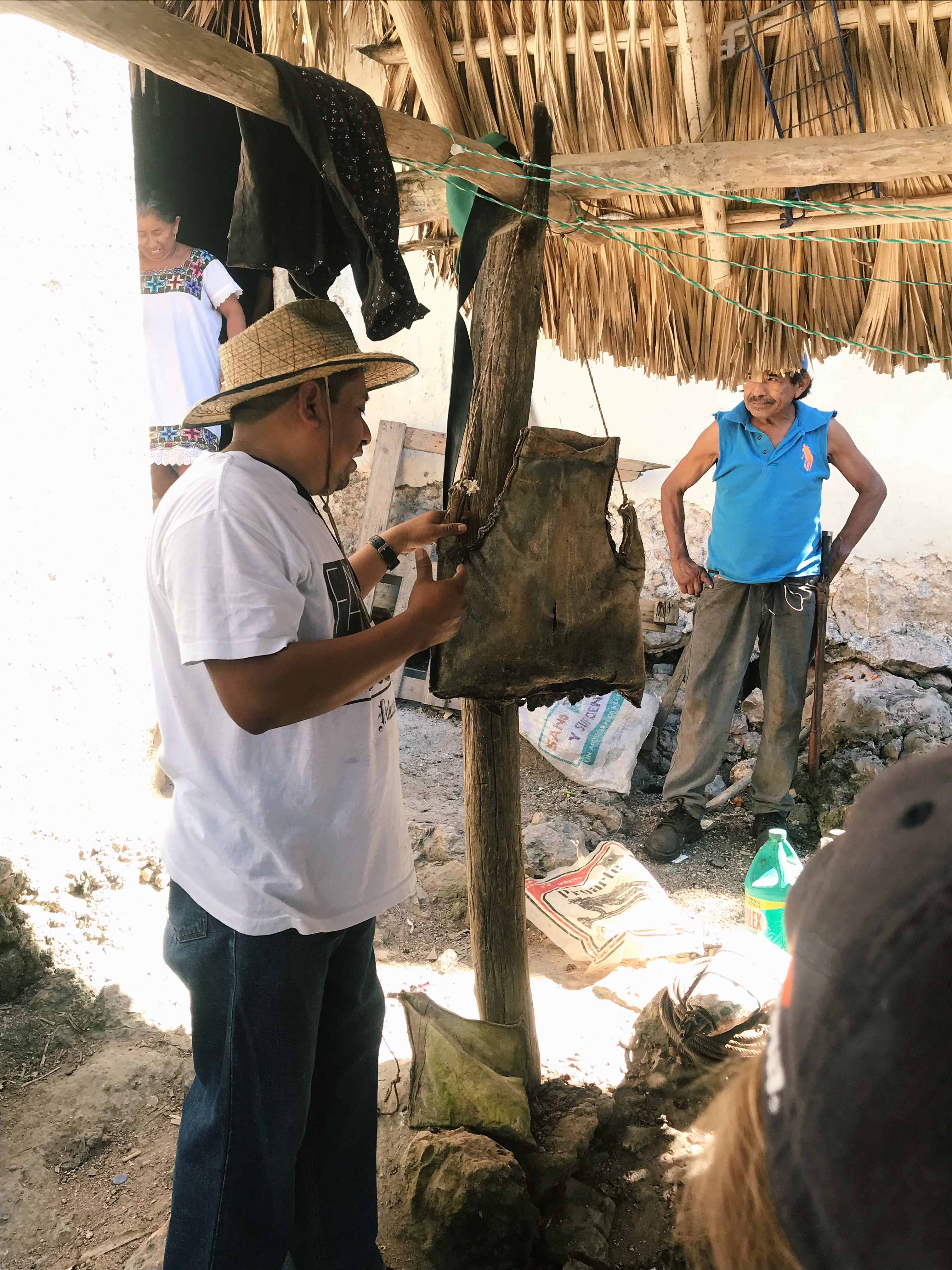
Noberto explaining how they use the bags to collect resin from the trees before we went to the selva

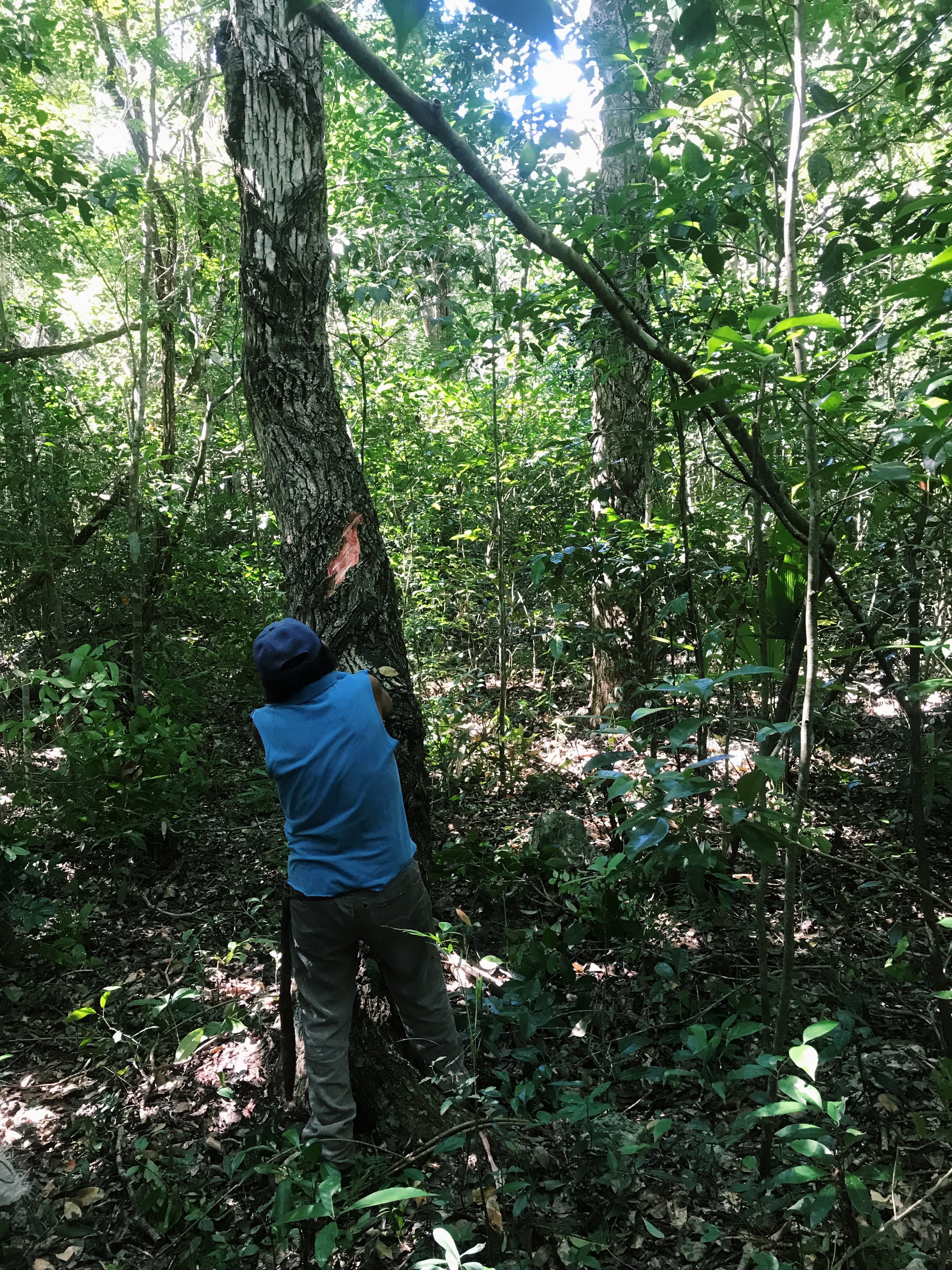
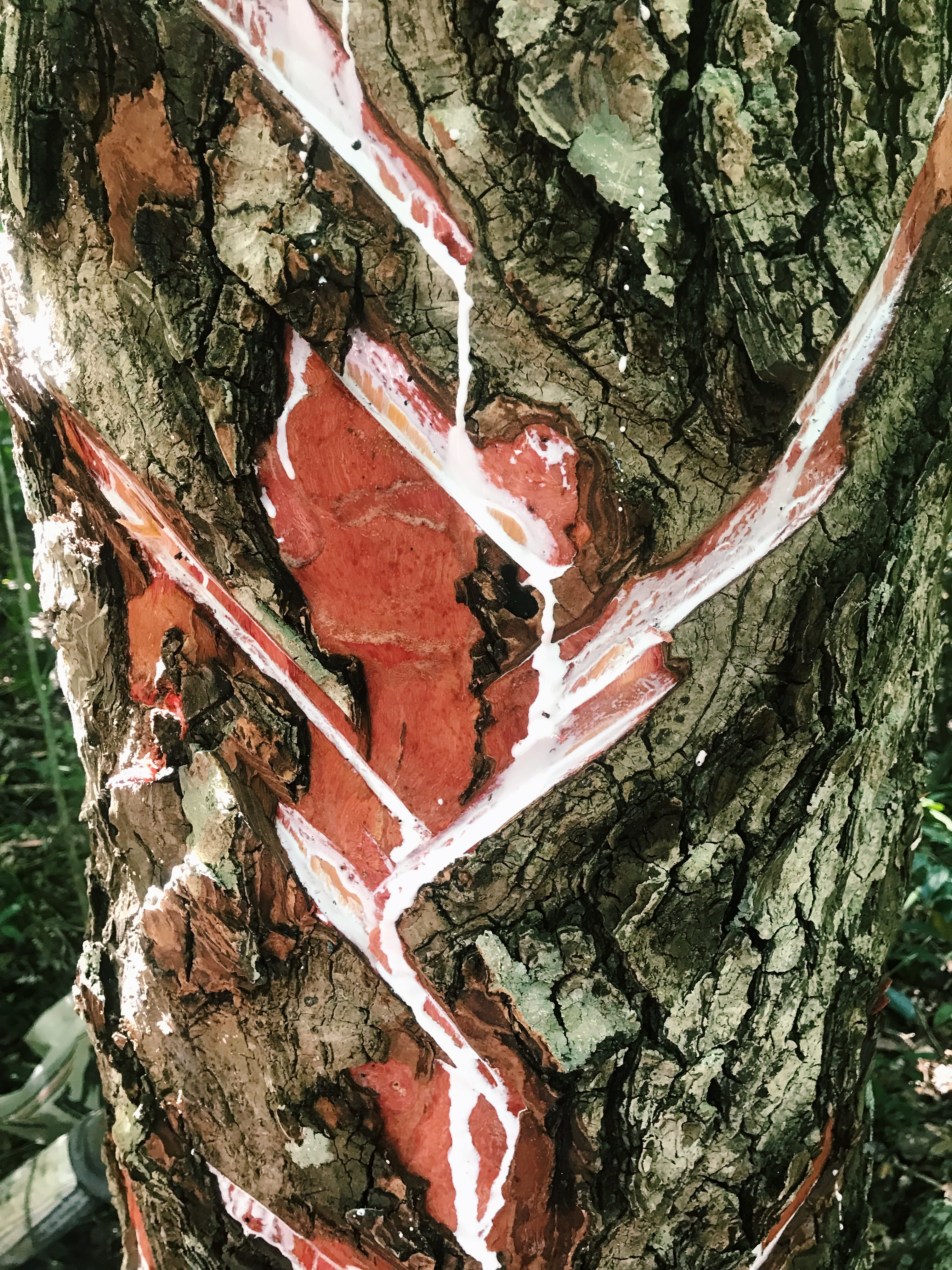
When collecting the resin, Alejandro used a machete to cut into the bark of the chicozapote trees to check and see if there was enough resin to collect. If not, he would move on to the next tree to avoid causing unnecessary damage to the plant. This seems to be a common theme when it comes to the Mayans using the land, they only take what they need and try to cause the least amount of damage as possible. They also wait 5-10 years in between harvesting from the same tree to allow it to heal and grow, which is a very sustainable method of harvesting from the tree. Chicle was used among the ancient Mayans as a way to keep their teeth clean and wasn’t commercialized until the Europeans colonized.
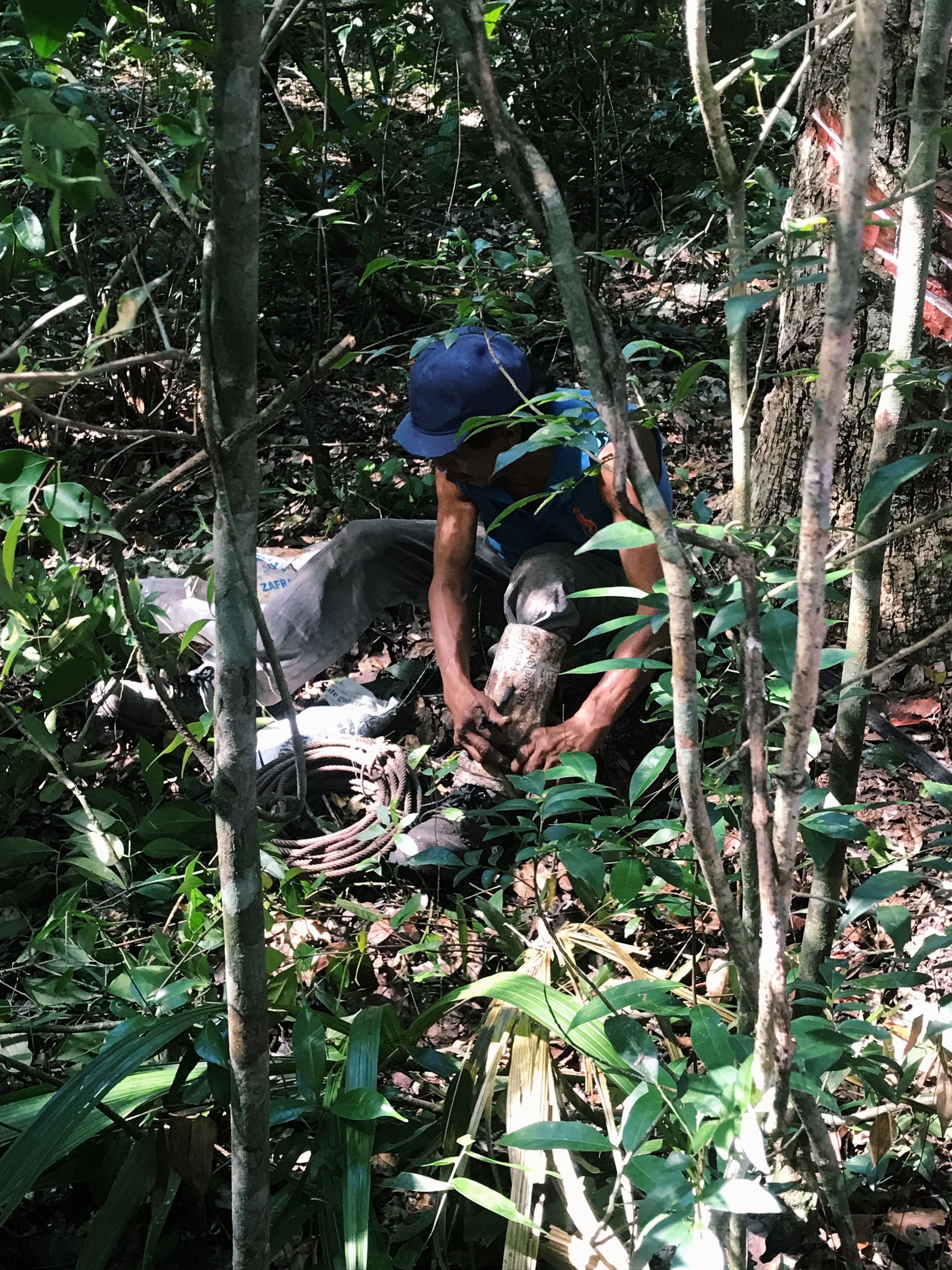
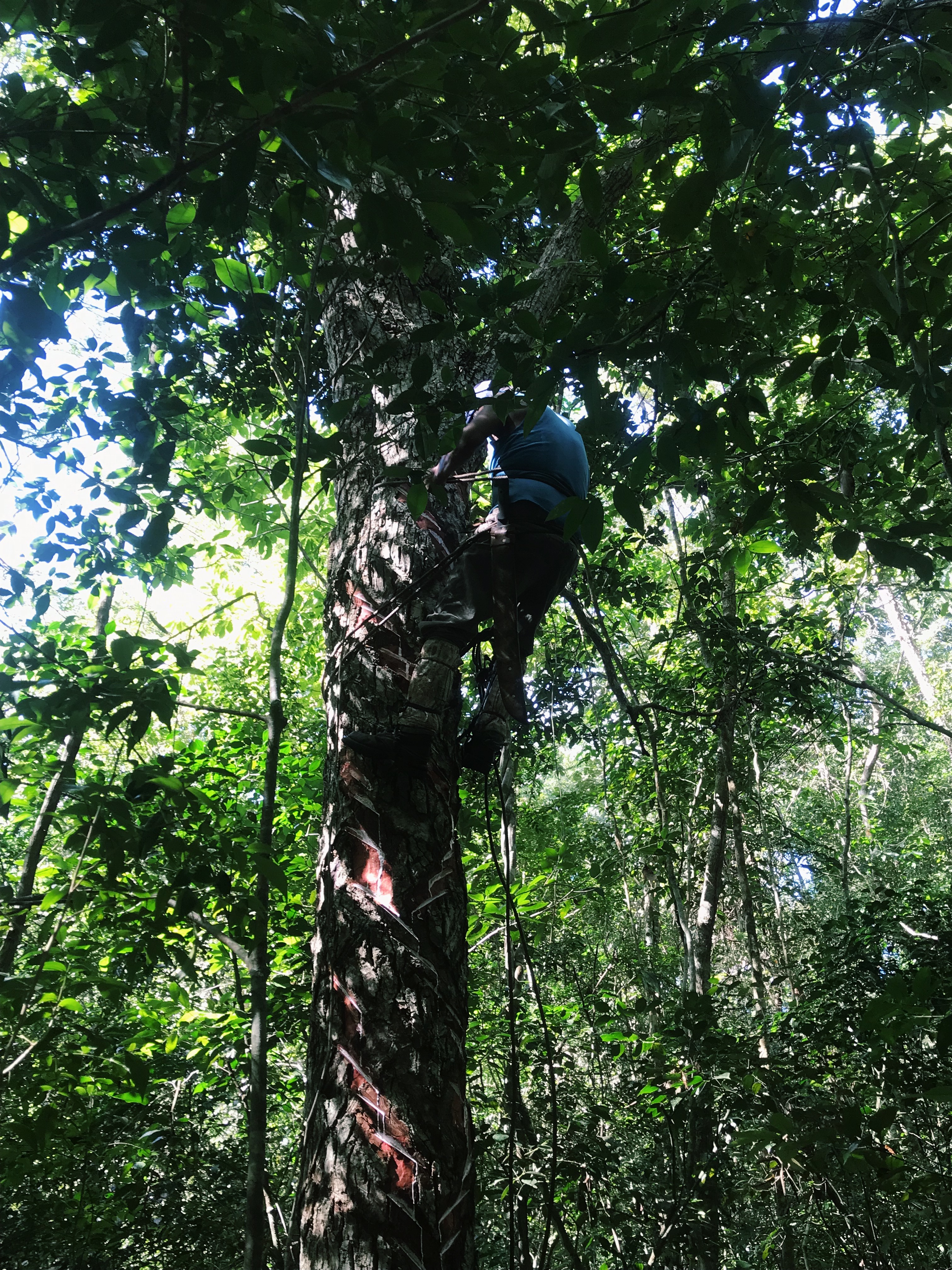
To harvest the resin, Alejandro cut the bark (not deep into the tree core) in diagonal patterns up the tree so that it leaks out in a way that allows it to flow into a goatskin or fiber bag for collecting. Alejandro cut as far up the tree as he could go, using only tree climbing spikes and rope. This is a very dangerous process that Alejandro has mastered over the years, but 15 years ago he fell from a tree and injured his back. He was in the hospital for 4 months and had to undergo surgery so that the doctors could put metal screws in his spine. Once he was healed, Alejandro returned to climbing the trees because that is his life and that is what he knows how to do.

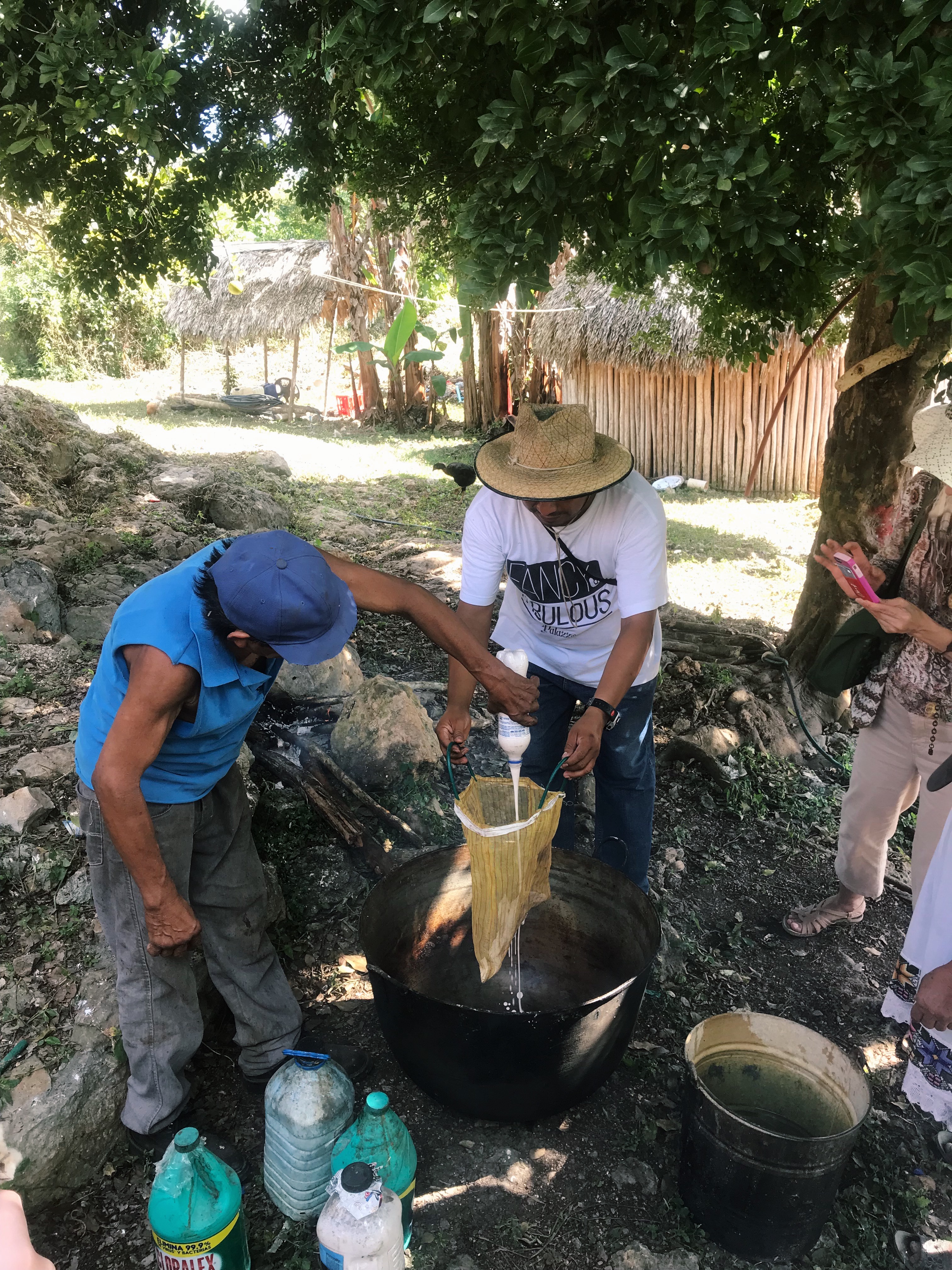
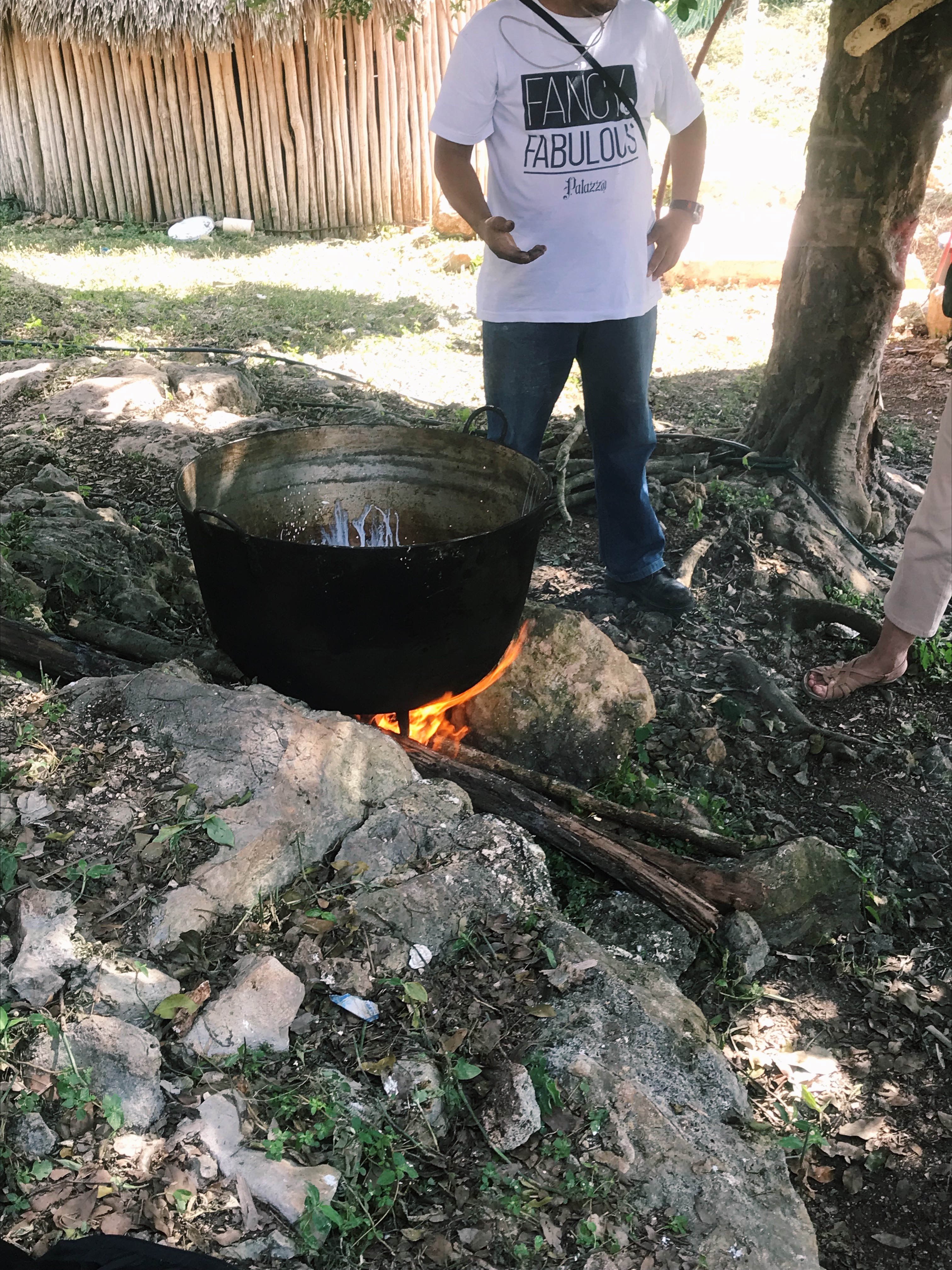
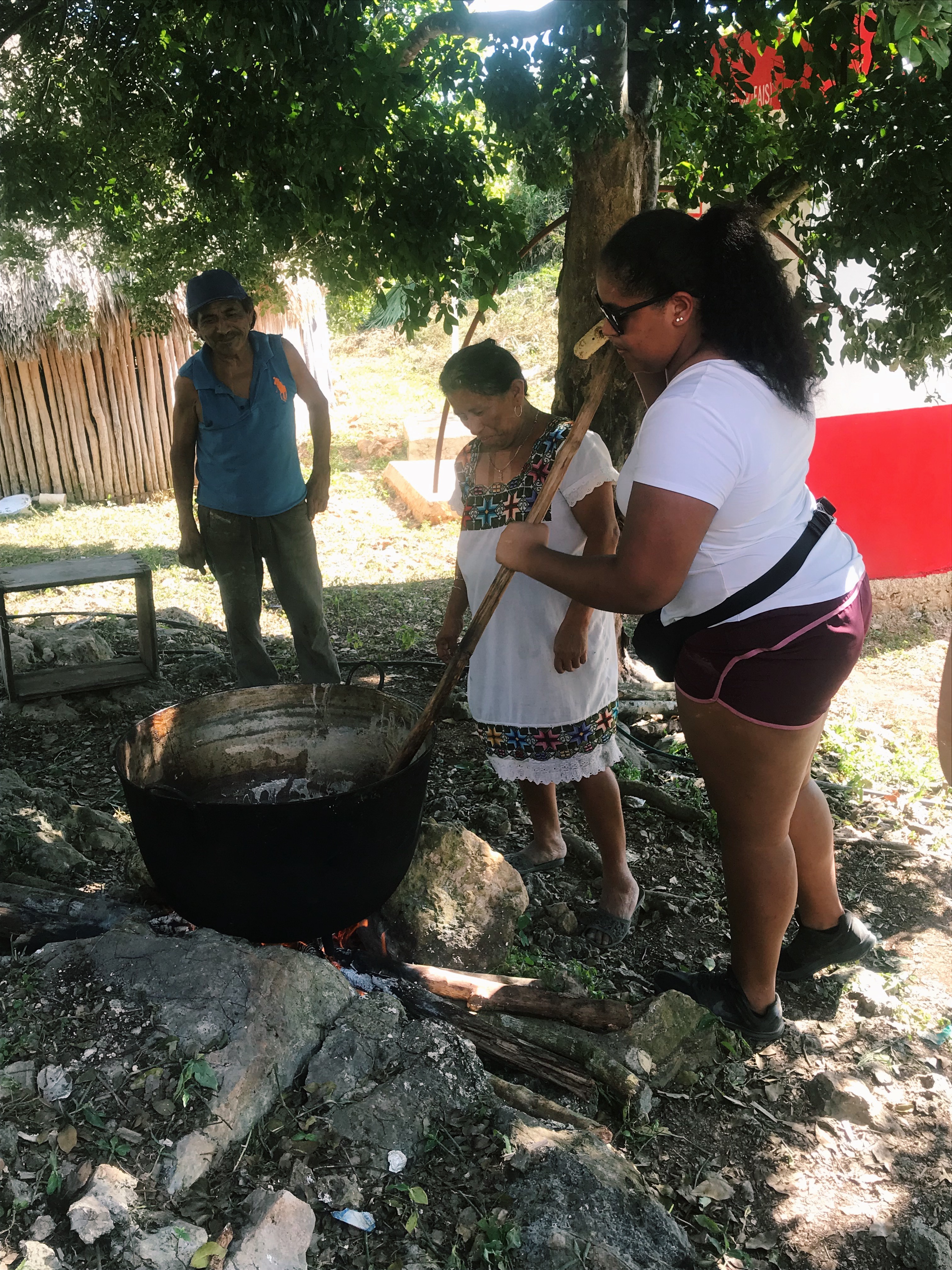
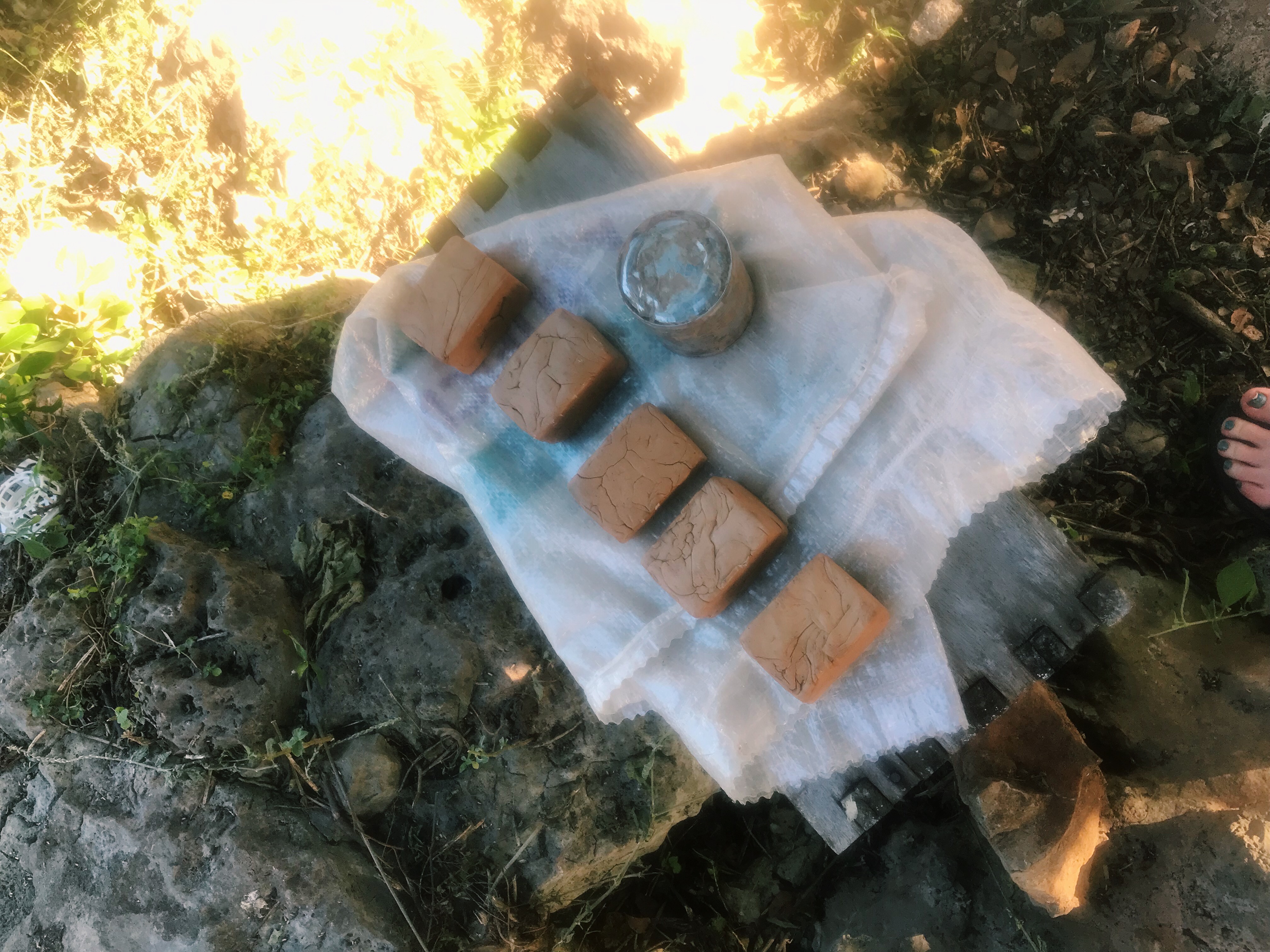
Once the resin was harvested, they bottle it in reusable plastic bottles and pour 3-4 bottles into a cauldron over a fire. They rinse the bottles with water to get out as much of the resin as possible and heat/stir it until the water has all evaporated and it has the correct consistency. This process took a very long time, and when it was complete, they poured the chicle into square molds and let it dry. According to Noberto, the chicle can be chewed for months since it does not have any flavor to be lost.

During the process, we were able to talk to Noberto and learned that instead of working to make chicle as he and his father and grandfather have done, his children prefer to work in the hotels and tourist-y portions of Cancún and some are going to University. It is slightly upsetting to think that this ancient art of harvesting resin to make chicle might be soon lost, but Noberto knows that natural chicle is being replaced by synthetic substitutes and soon there won’t be a need to harvest it anymore.

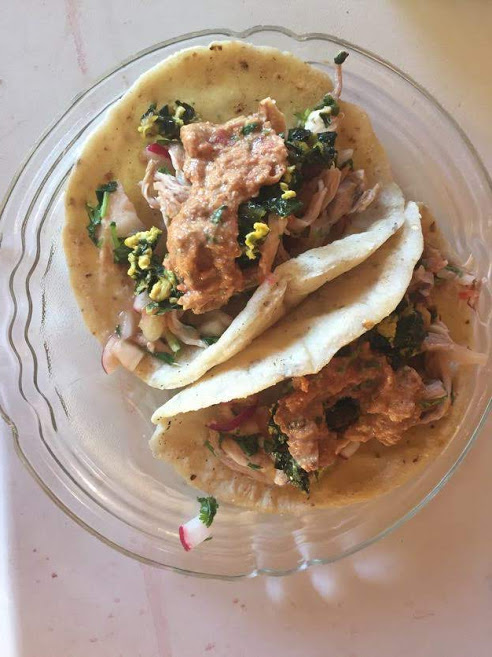
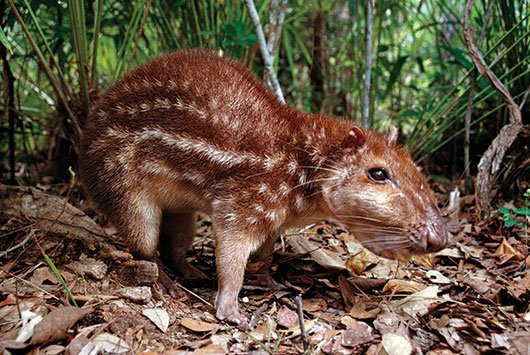
After watching Noberto and Alejandro prepare the chicle, we went to Noberto’s house for a late lunch. His family was all there and they graciously served us fresh coconut water, melon juice, and lime juice as well as tacos with chaya, huevos, and tepezcuintle (lowland paca) meat. For dessert, we ate dulce de calabaza (candied pumpkin) and drank saka, the same warm corn drink we had at Yaxunah. His family was very welcoming to us and made us feel like we were a part of them. After we finished eating, we spent time talking to the family members before heading back to where the chicle was made to see the finished product. We were able to try some for ourselves, it tasted kind of gross since we are so used to chewing flavored gum, but it was nice to experience.

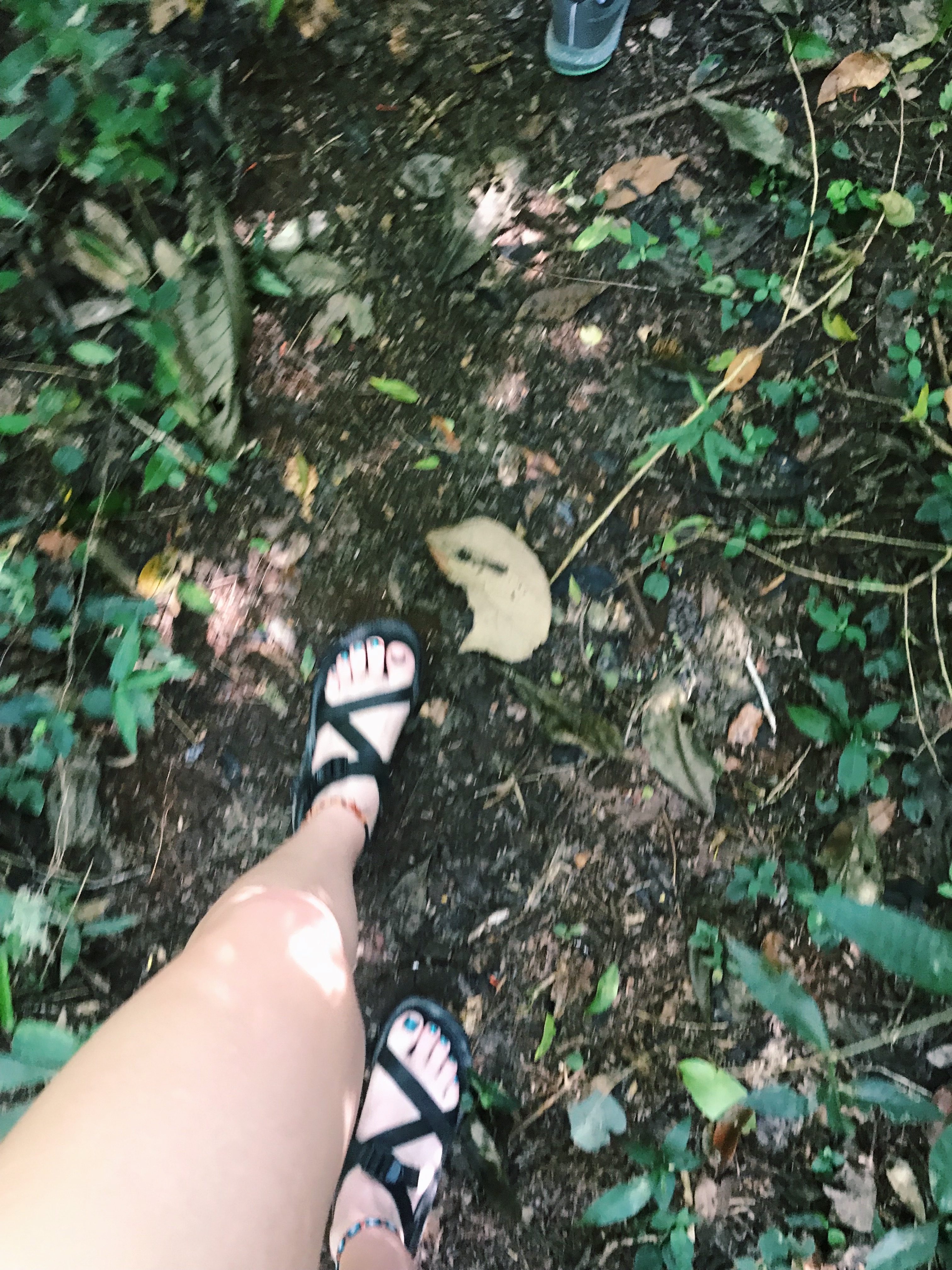
The selva we were walking through today in Quintana Roo was very different than the landscape in Yucatán. This selva had much taller trees, denser plant life, and rockier soil. As with the bees yesterday at Xkopek, I thought it was very interesting to see the respect that the Mayans have for nature. Even though the forested land isn’t protected by any form of government or national park program, the people in the community take care of the land and only use what they need. In most cases where people act independently and use resources as they see fit, a tragedy of the commons can occur where the resource becomes spoiled or depleted. However, because the Mayan people only take what they need and act as a single body through exhibiting the same respect for the land, this isn’t a problem.

Soil is rockier and plant life is denser in Quintana Roo

It continues to amaze me how the natural world plays such a key role in the lives of both ancient and current people who live here.

Jan. 12, 2019                       

11 de Enero de 2019

Abejas y bares

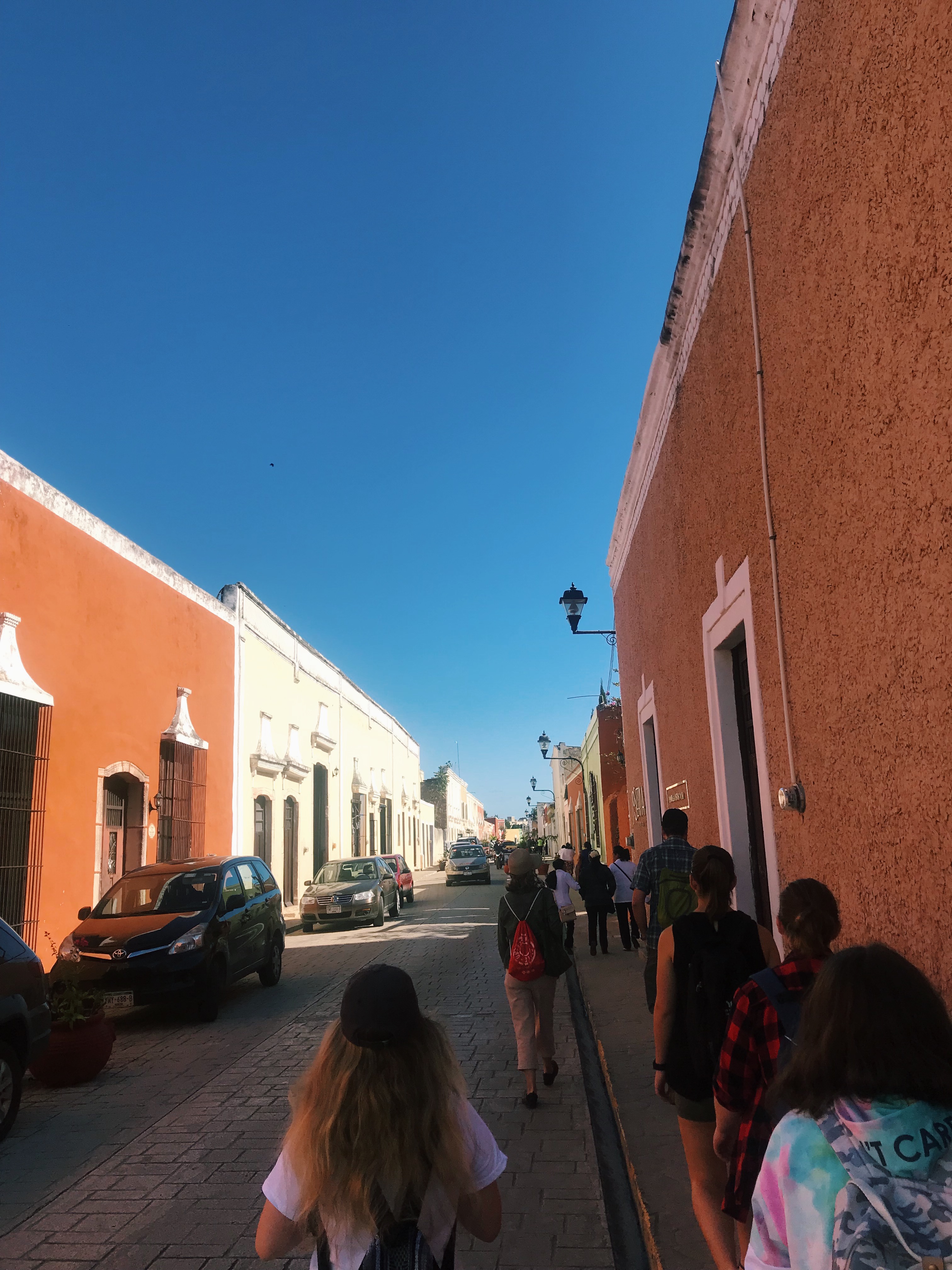
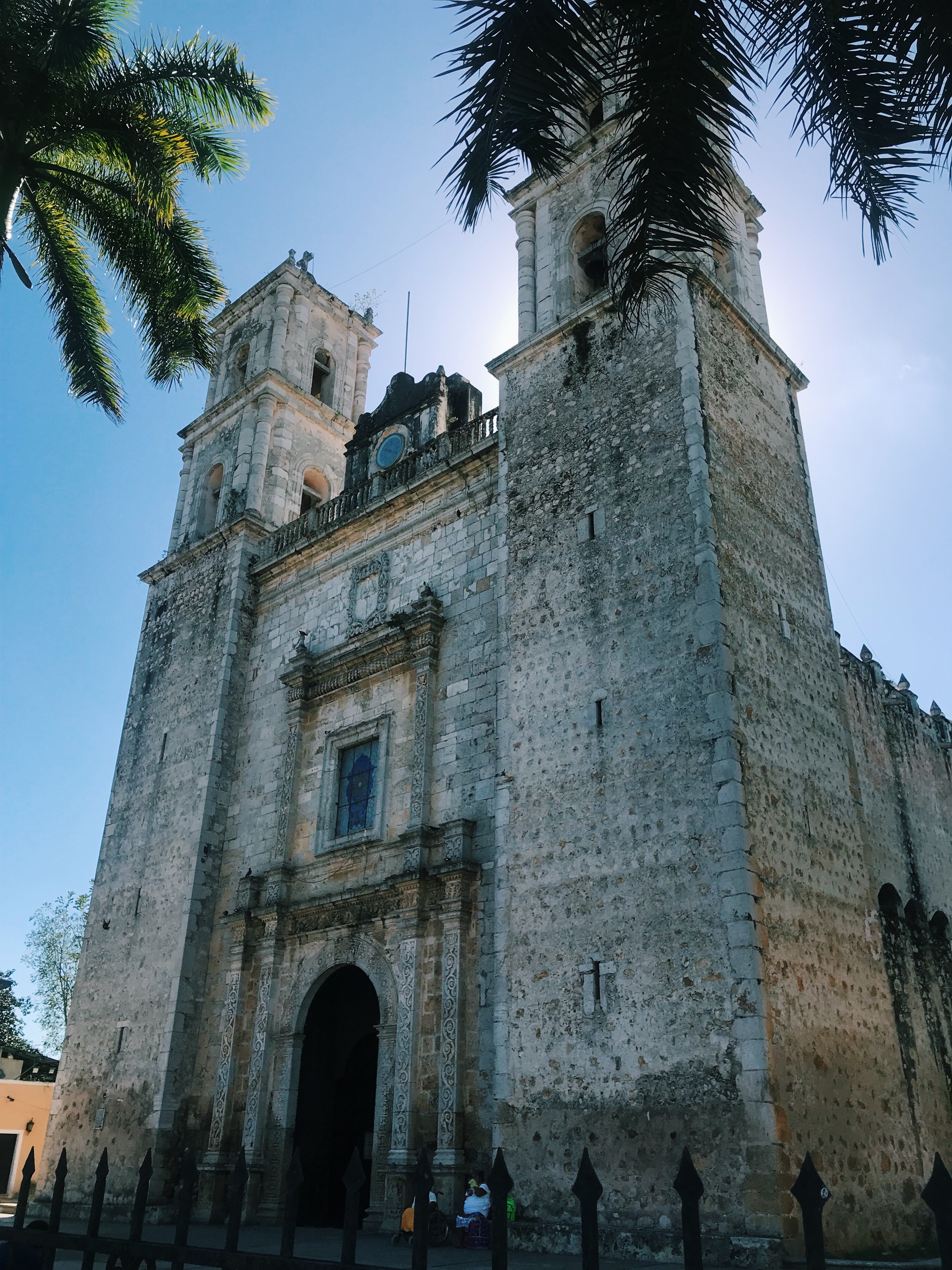
This morning we walked about one and a half miles through the town of Valladolid to Xkopek Beekeeping Park. During the walk, we passed the plaza and saw beautiful buildings like the church.

Walk to Xkopek
La iglesia

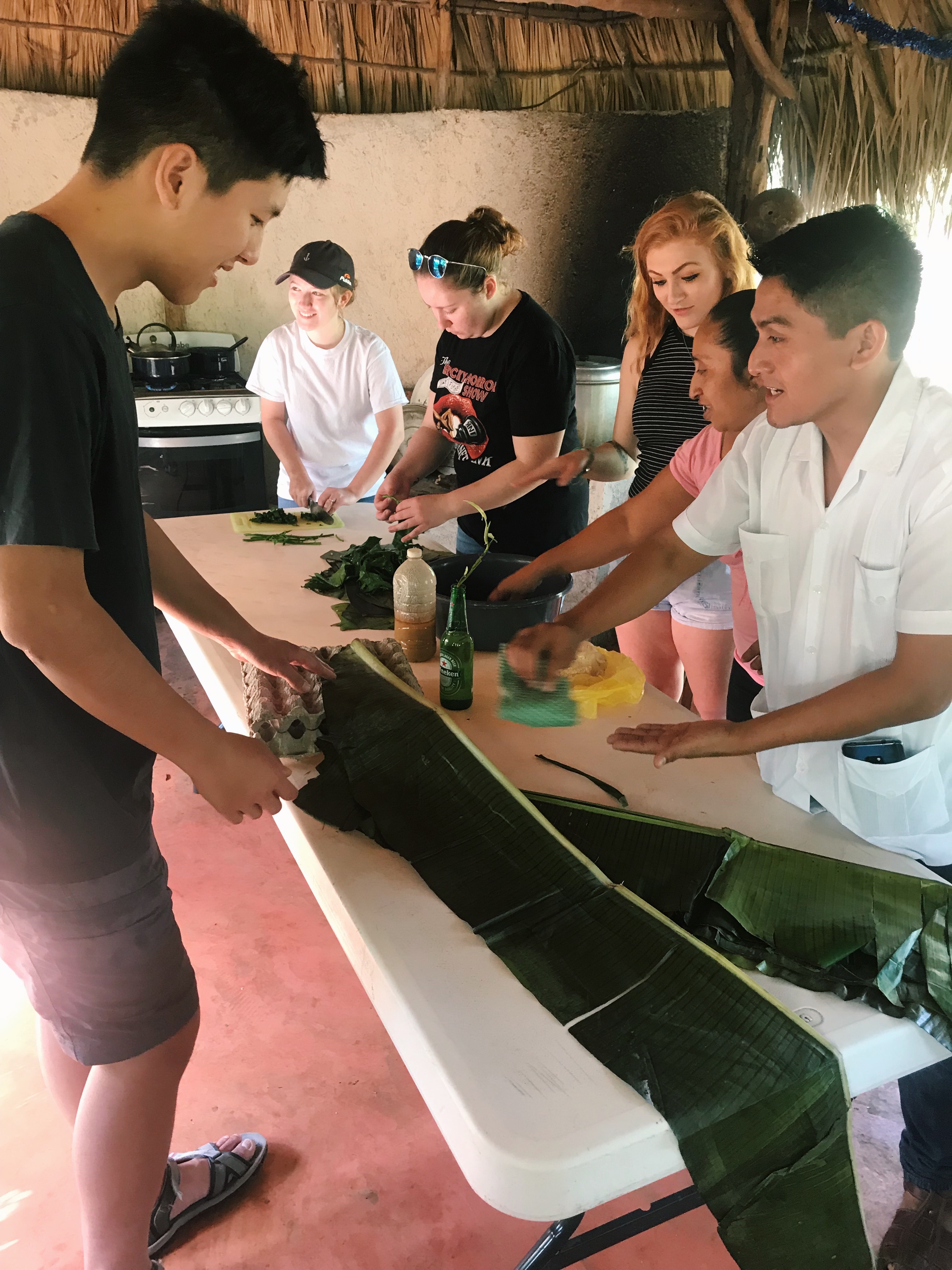
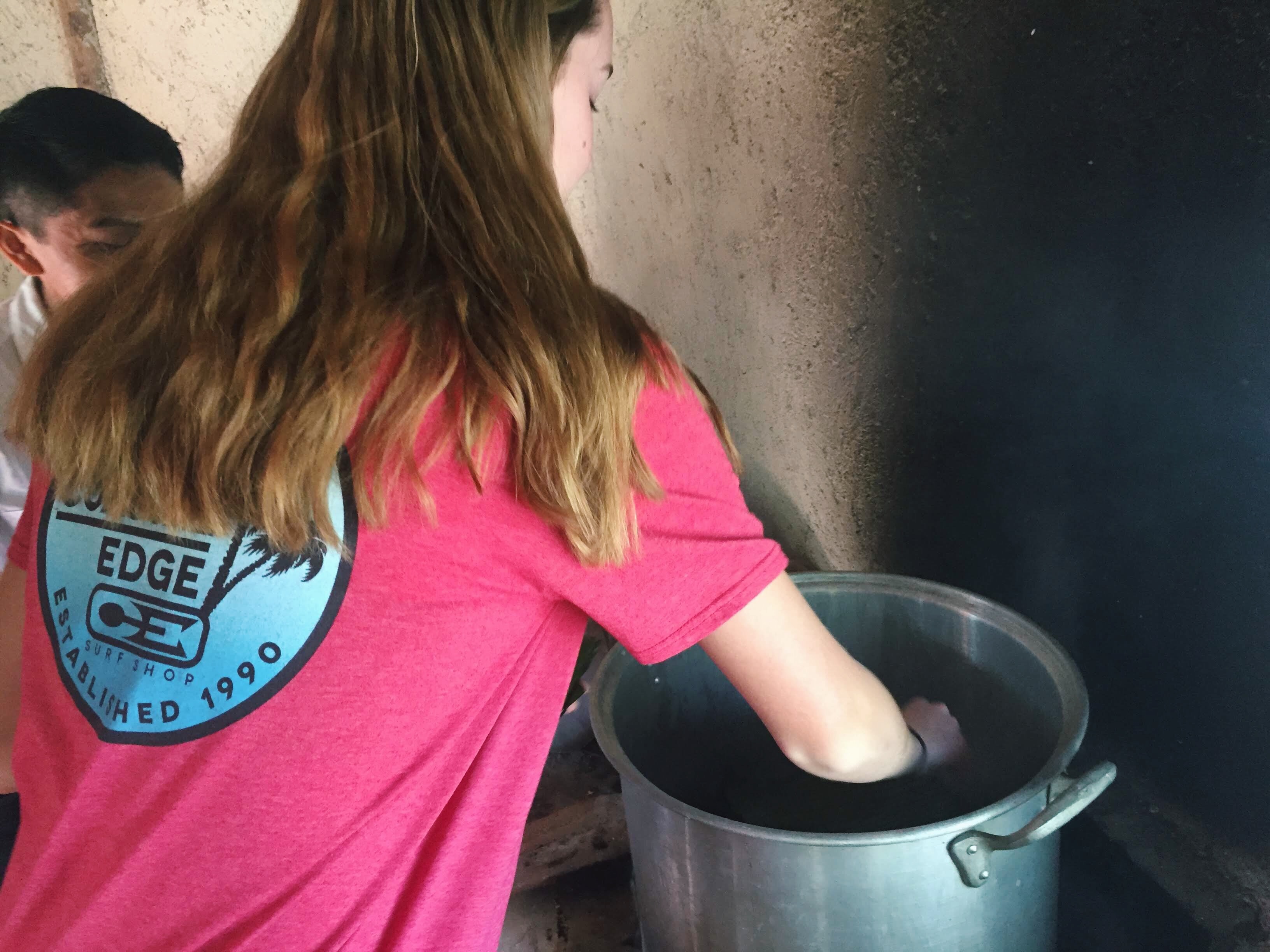
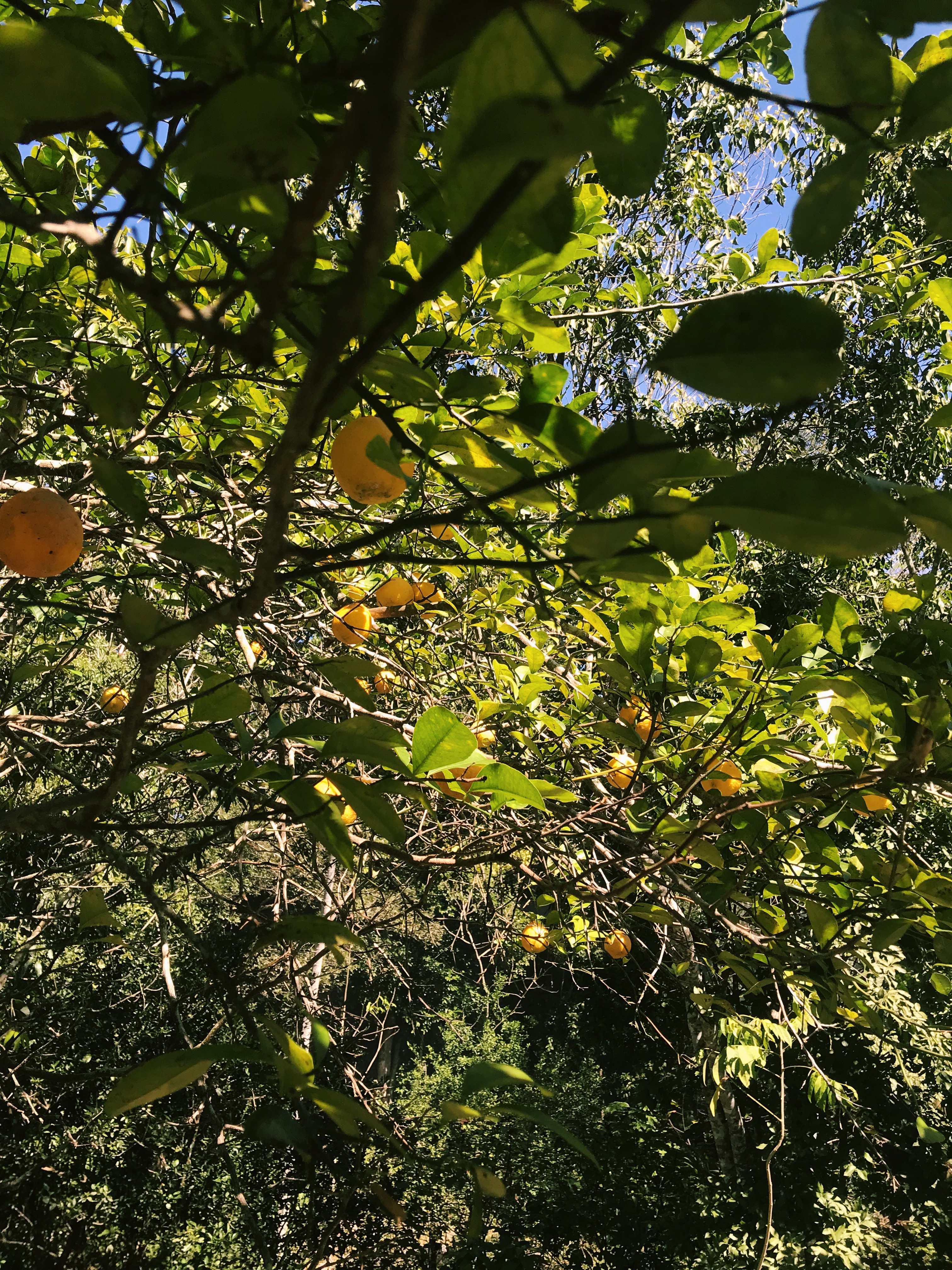
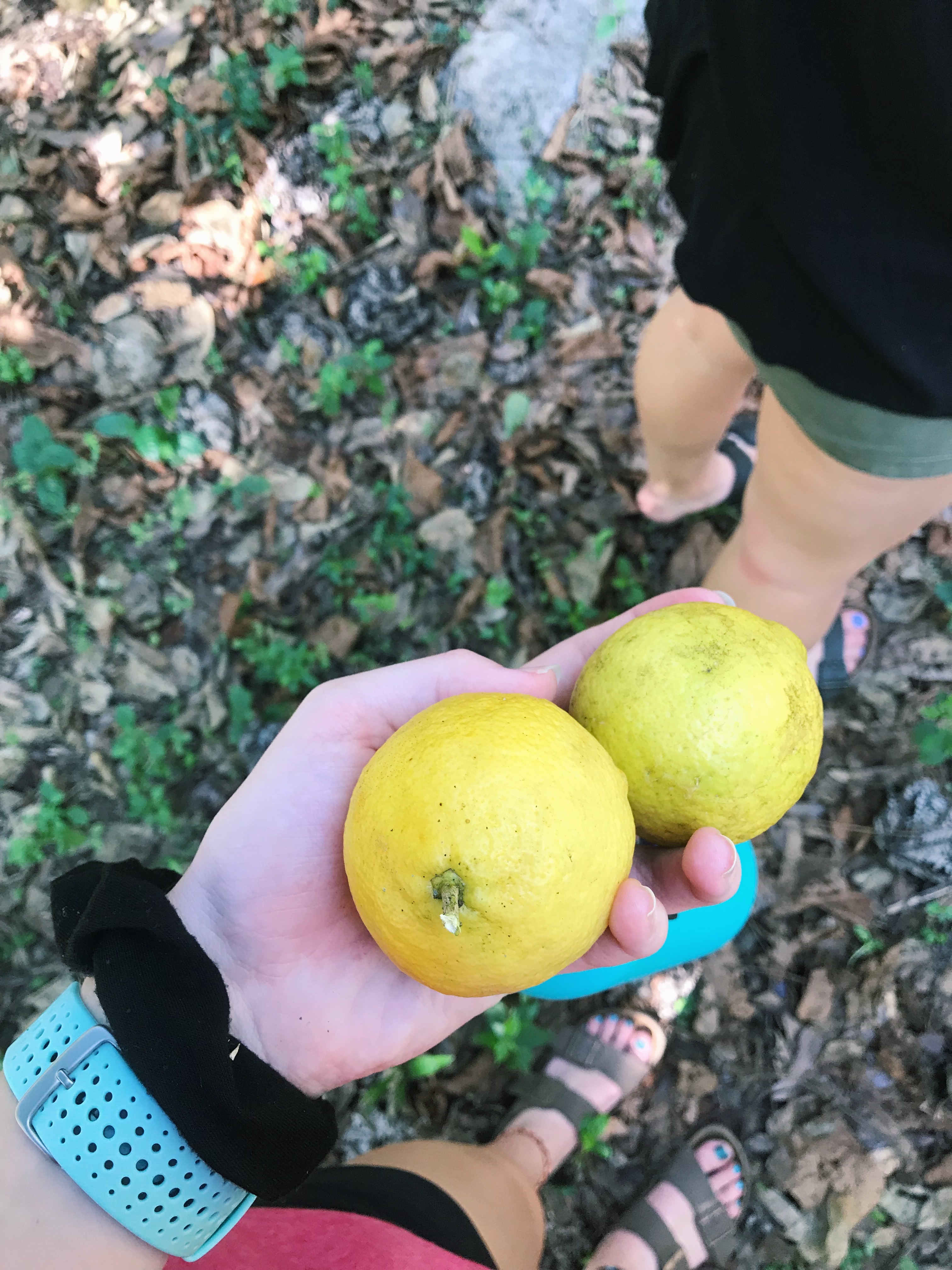
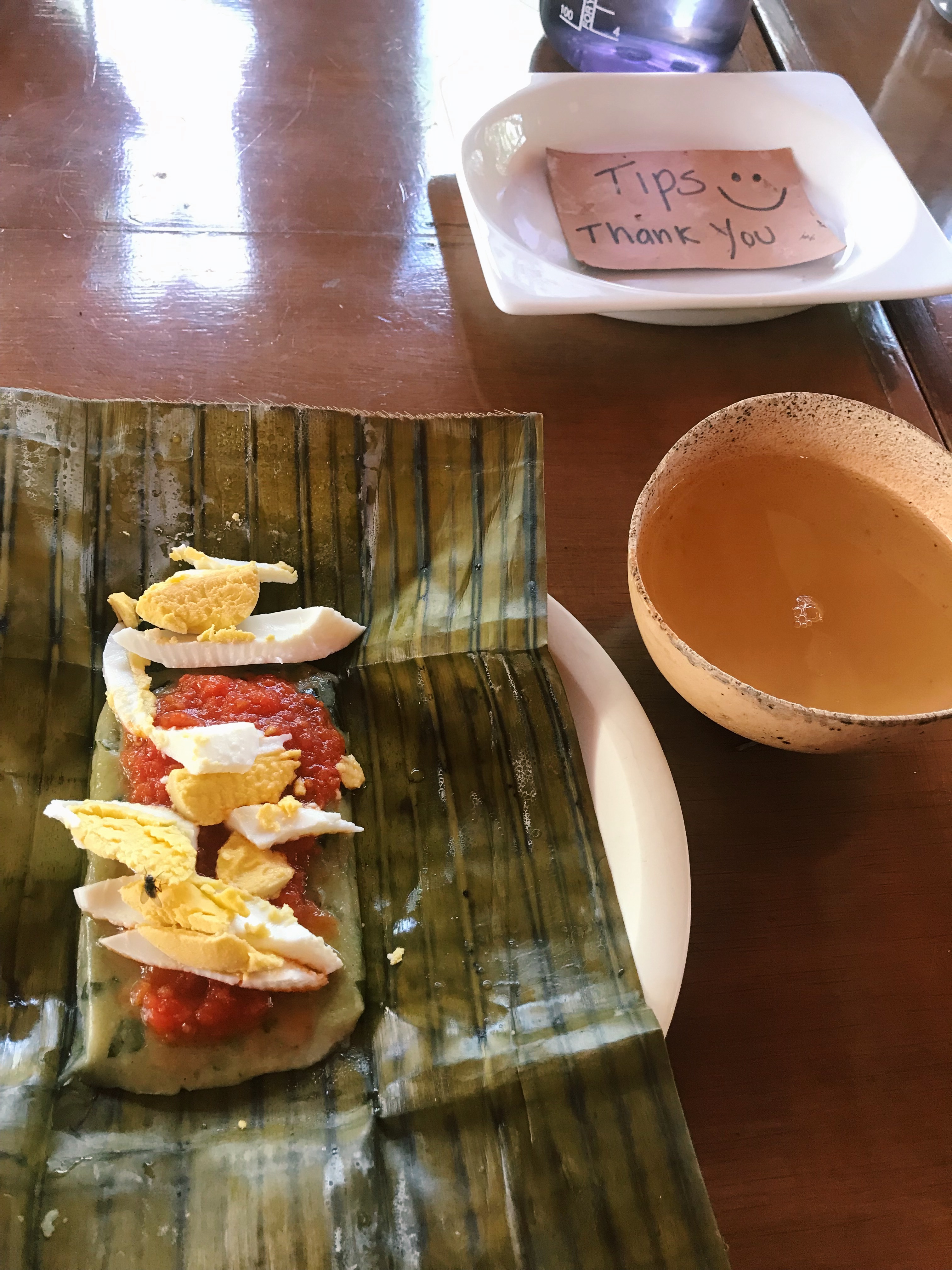
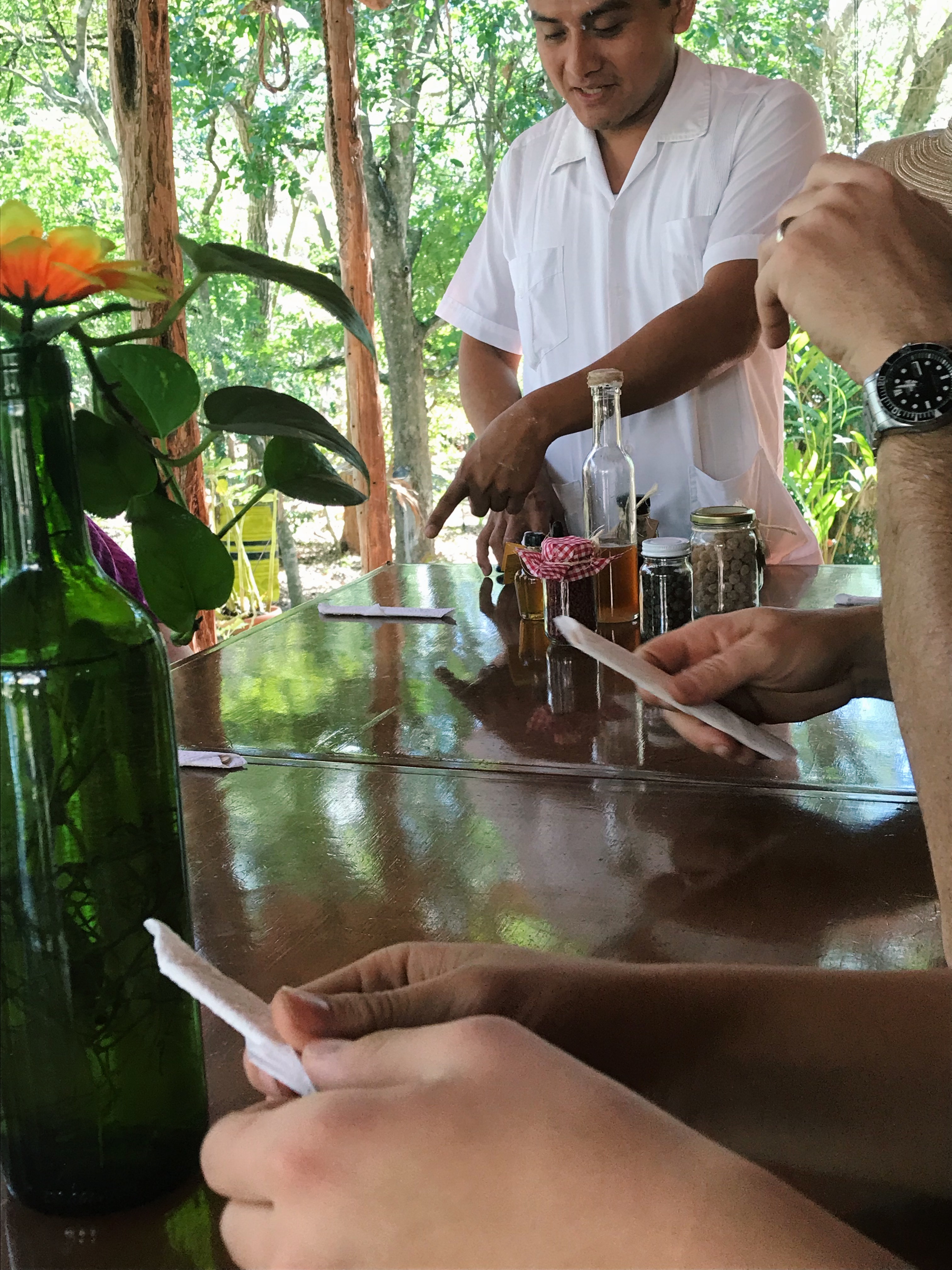
Once we got to Xkopek, we prepared tamales from masa (dough) made from maíz y chaya, a spinach-like leaf. We molded the masa into rectangular shapes, wrapped them in banana leaves, and then placed them into a steamer to cook. After our tour of the park, the tamales were finished cooking and we added a tomato based sauce and boiled egg to the top. During the tour, we picked limes from a tree that were then used to make a lime juice and honey that we drank out of fruit shells called jícara. The experience of making the tamales by hand and seeing the work that goes into the preparation made them taste so much better and gave me a greater appreciation for people who constantly take the time to prepare fresh meals every day. So far during this trip, I have also noticed that the meals we have been eating are a lot healthier than anything I would have eaten back home. The people prepare food directly from nature and there are very little processed foods or overly sweet/salty foods. When I return to Virginia Beach, I am going to try and eat more deliberately and prepare food myself rather than snacking all day long or eating out at cheap fast food restaurants.

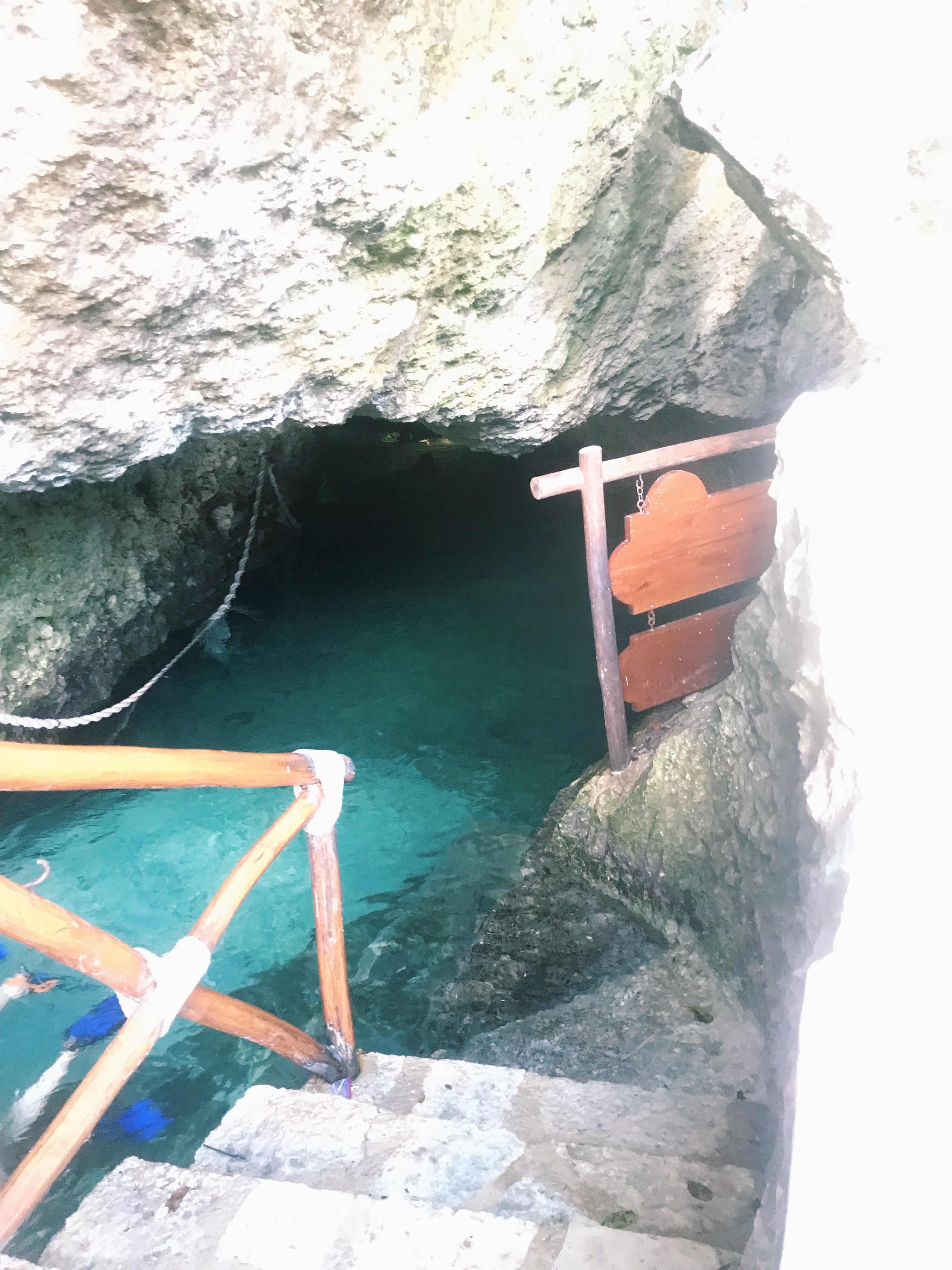
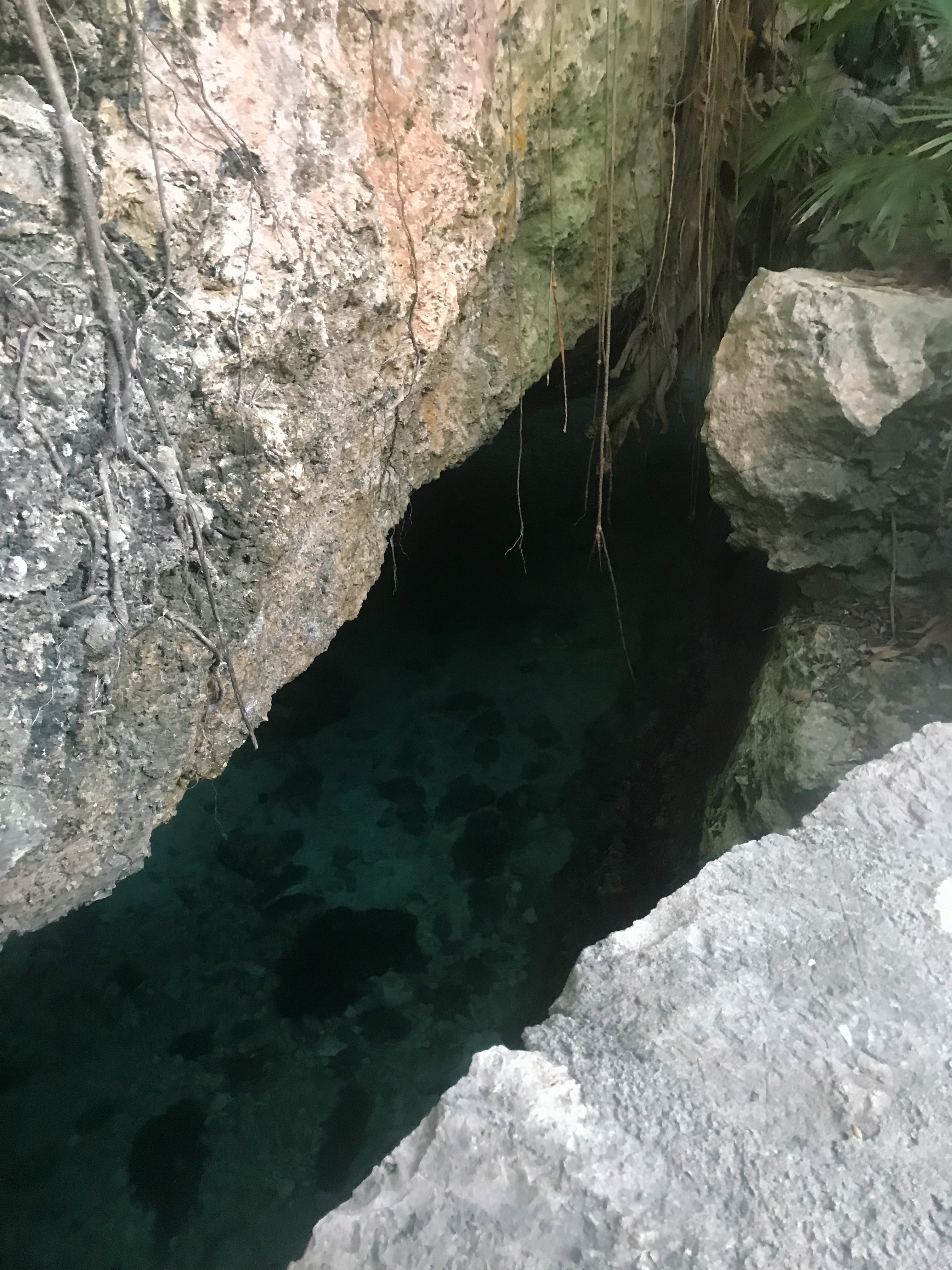
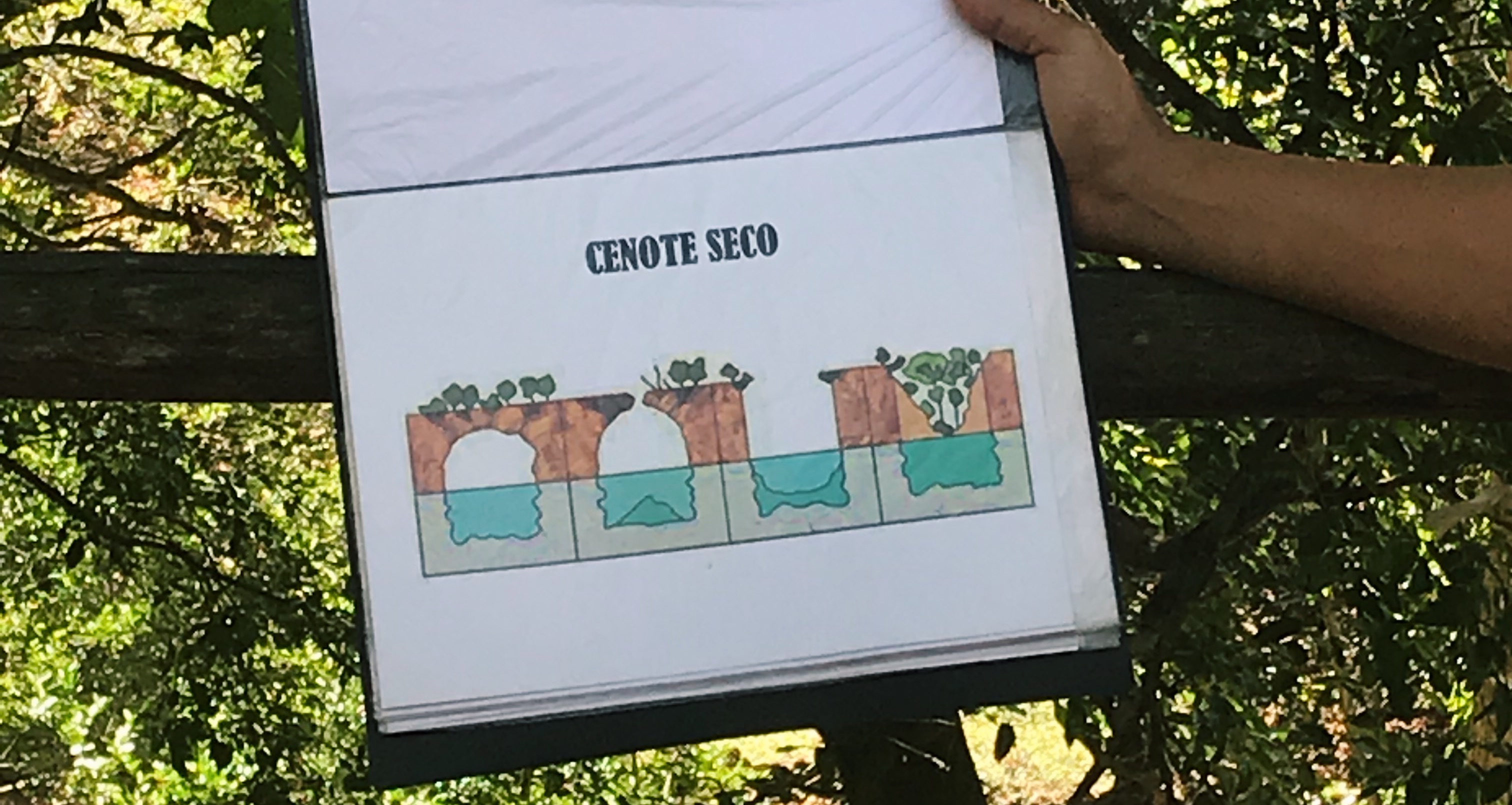
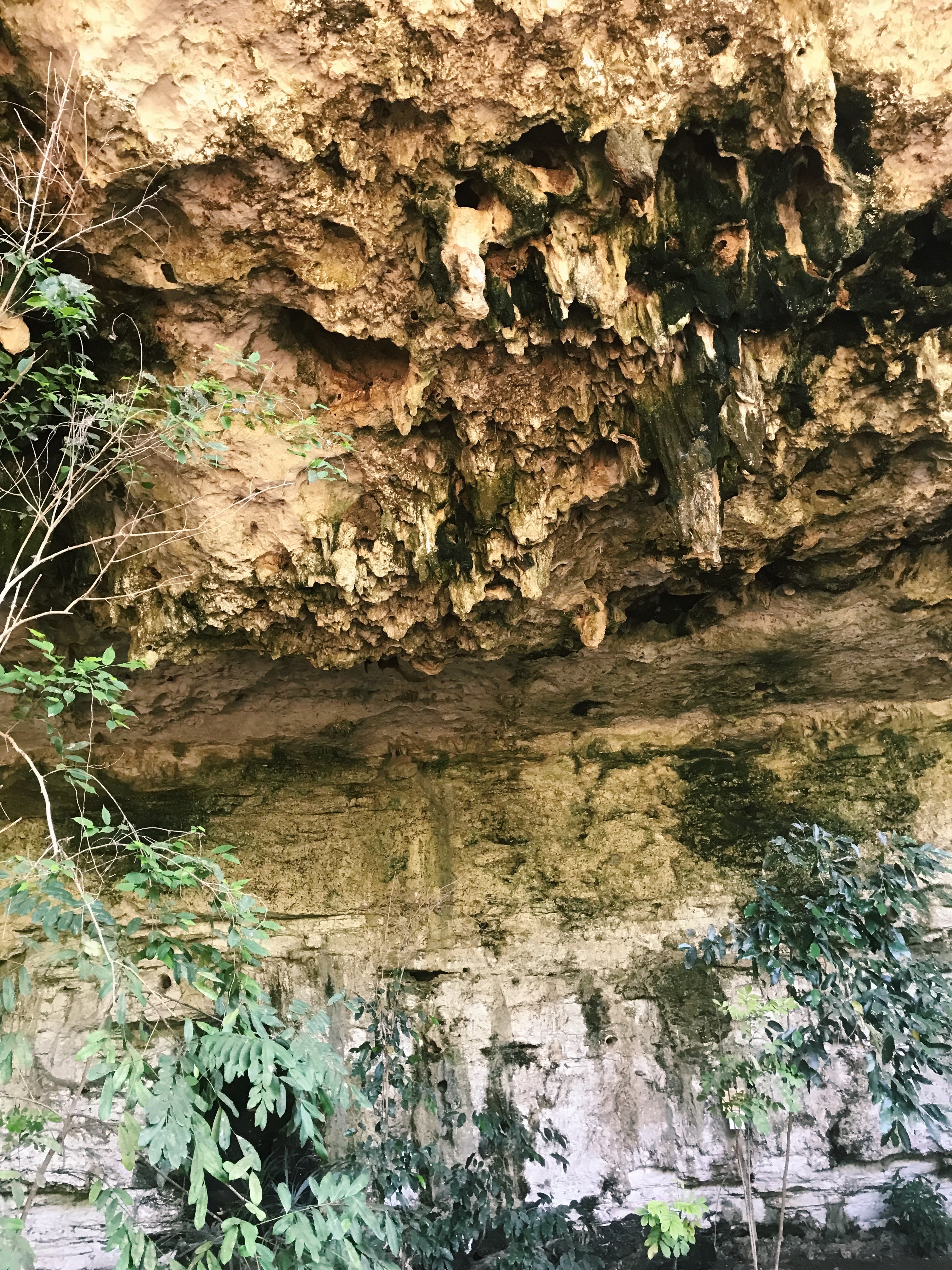
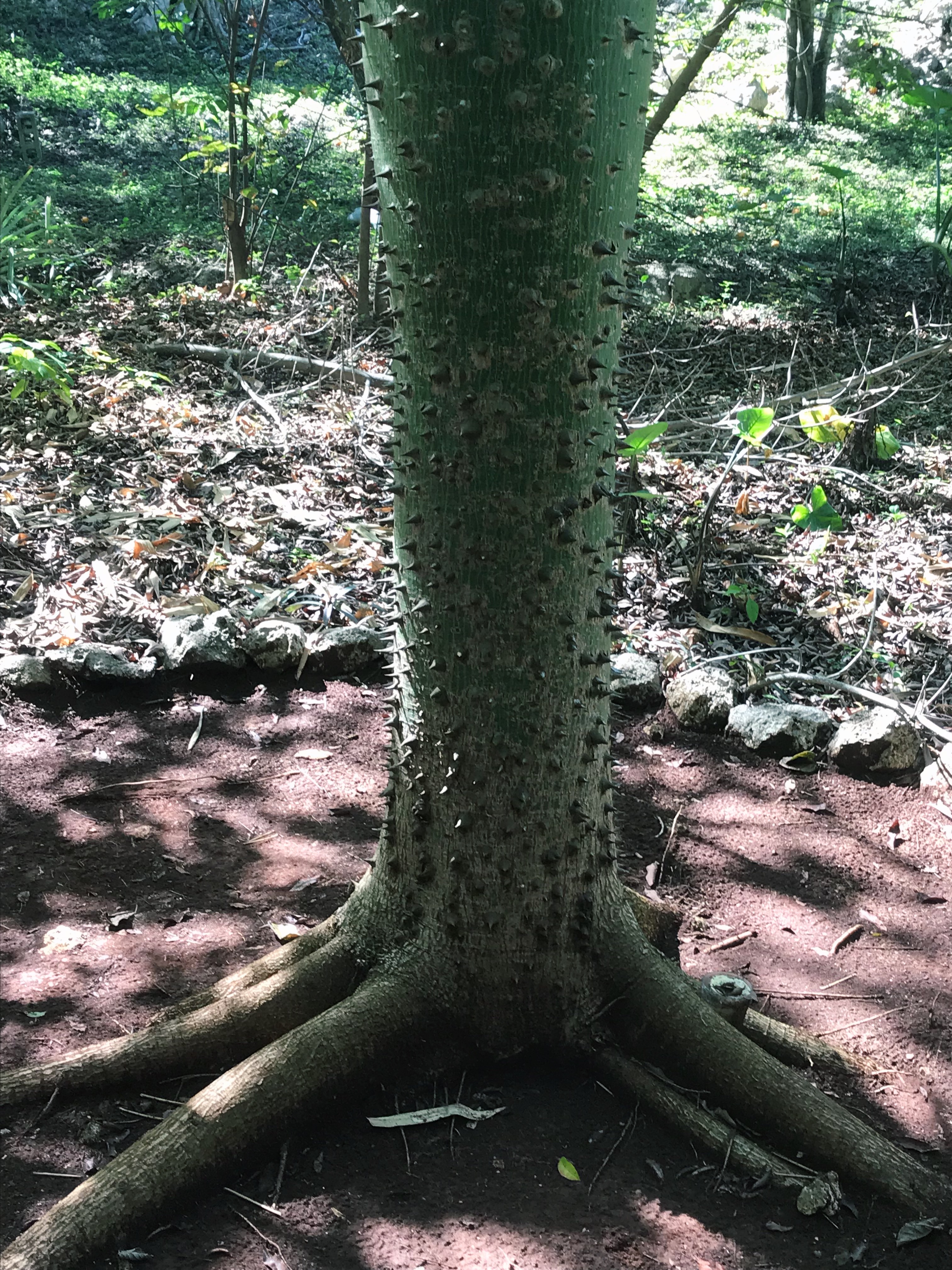
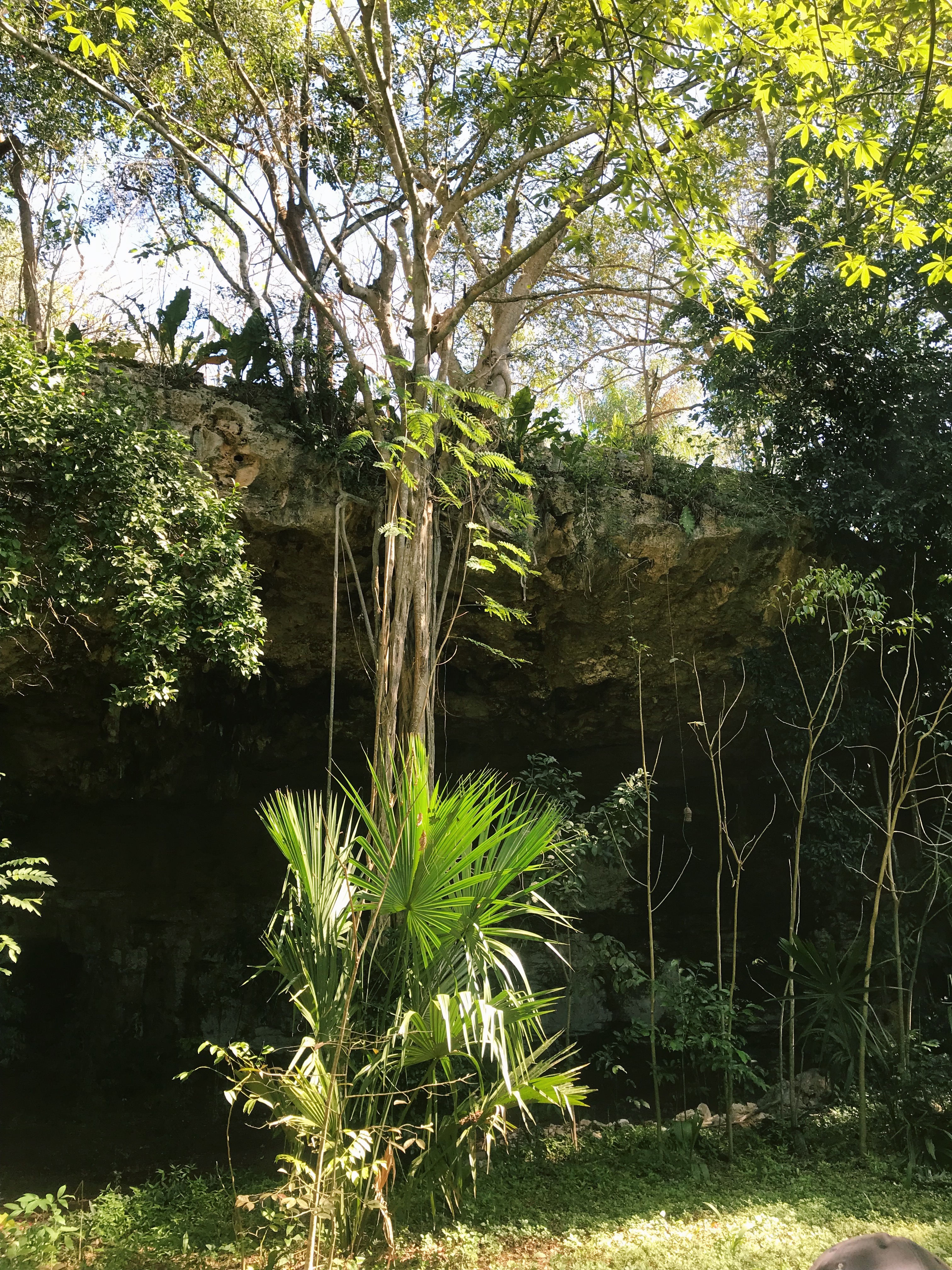
The first stop we made on our tour of Xkopek was down to a dry cenote that was full of plant life. The beginning part of the Mayan word Xkopek, “xkop”, translates to dry cenote (the second part of the word, “ek”, is a specific type of wasp only found in the park). Dry cenotes are formed when the cenote opens up and becomes filled with organic matter to the point that it eventually covers the water with a layer of dirt. Dry cenotes are able to support a wide range of plants due to the extremely fertile soil and nearby water, located only 6 or 7 meters below the ground. Because of this, trees are able to grow taller as they are not growing so far down to search for water with their roots. In the dry cenote we explored, there was a wide variety of plant life including sweet orange trees, sour orange trees, wild papaya plants, mango trees, achiote (Mayan name ku’xu) which is used for natural dyes, and cieba (yaxché). Cieba is a sacred Mayan tree that represents the 13 levels of heaven through the branches, earth through the trunk, and the 9 layers of the underworld through the roots. The trunk of the cieba tree is hollow, and it is thought that the tree shows the passage of people up into heaven. The Mayan people have an extreme respect for nature which is something I admire, and I wish that more people shared this thought instead of seeing nature only for its instrumental value.

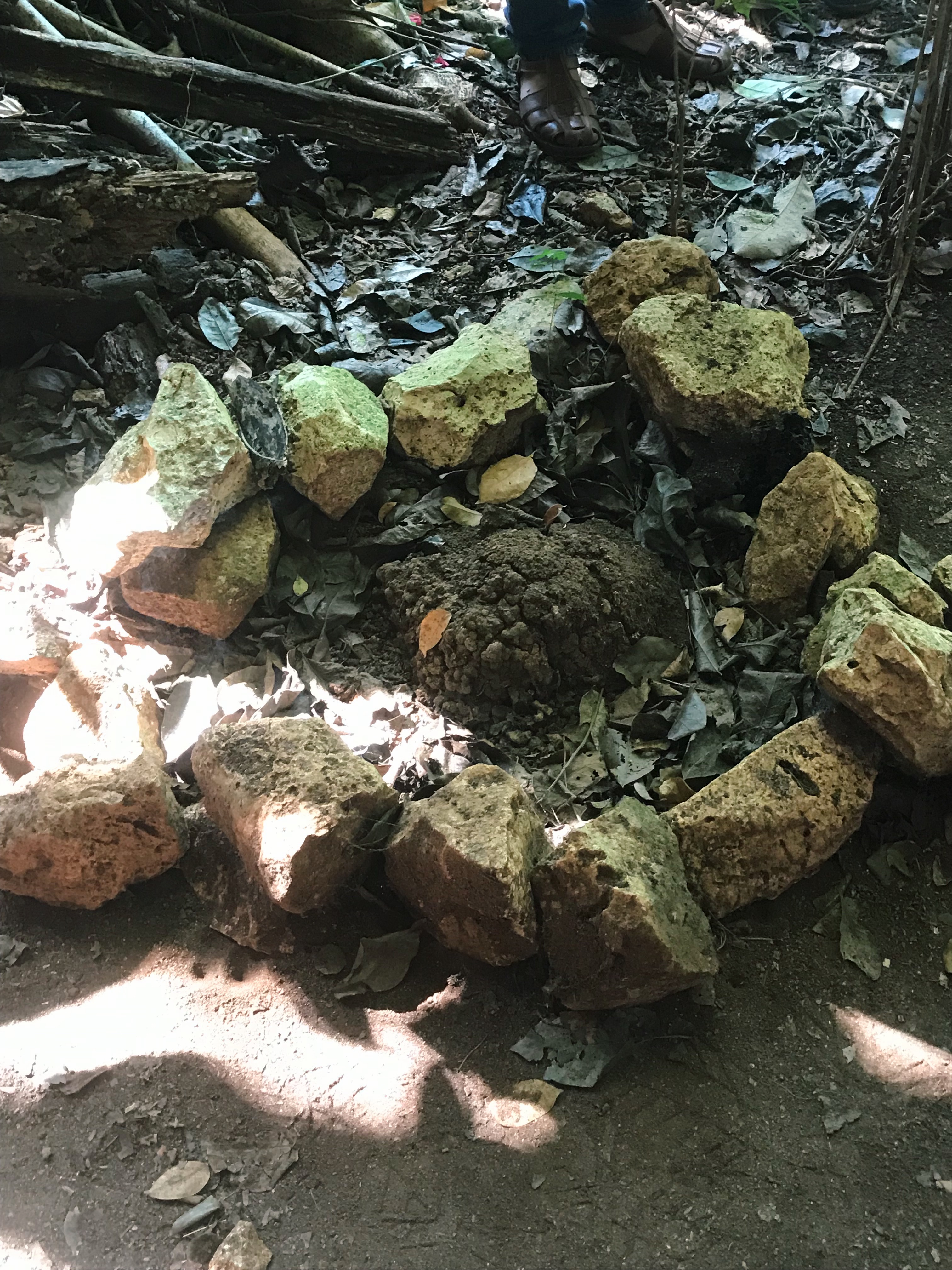
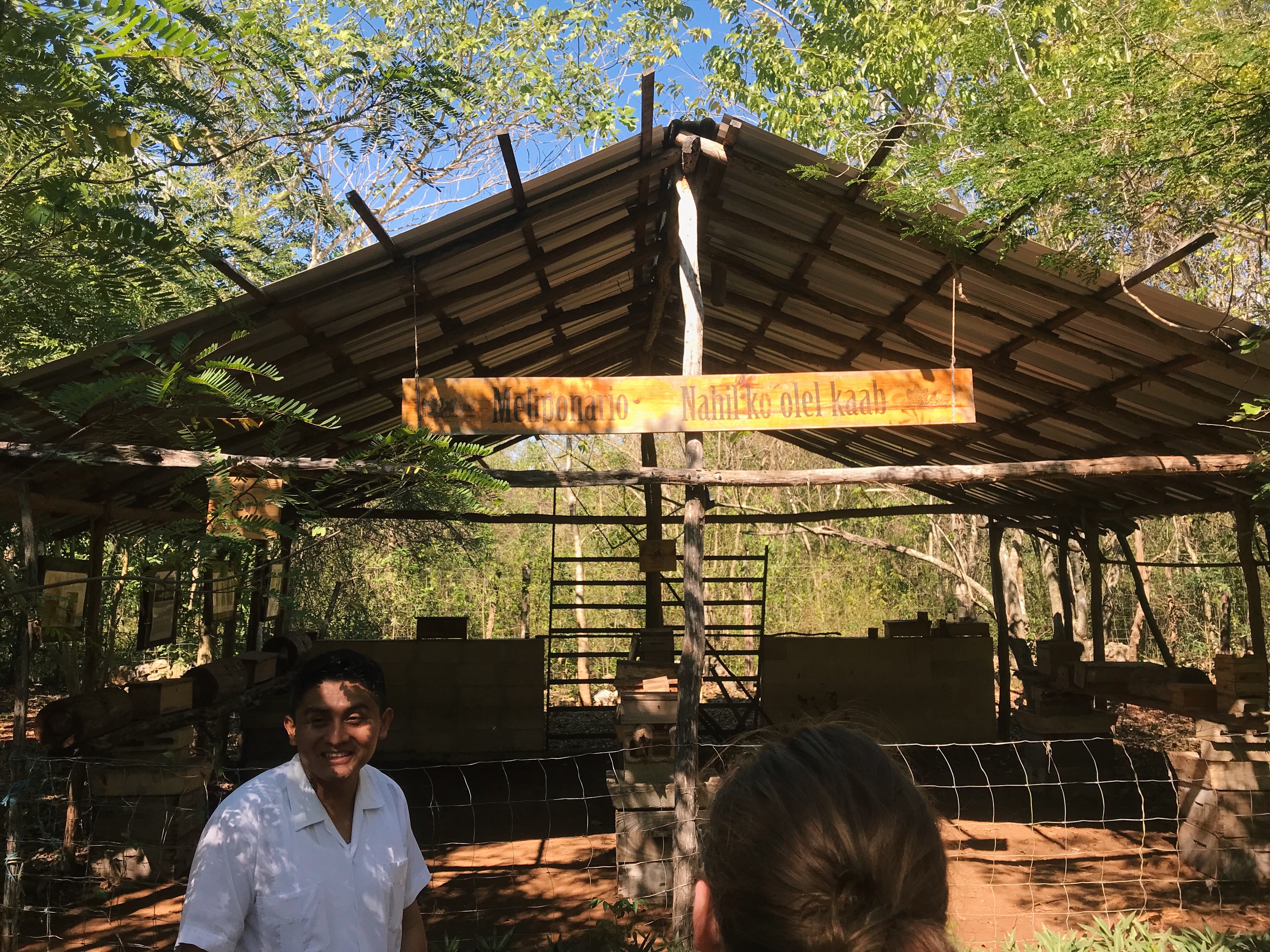
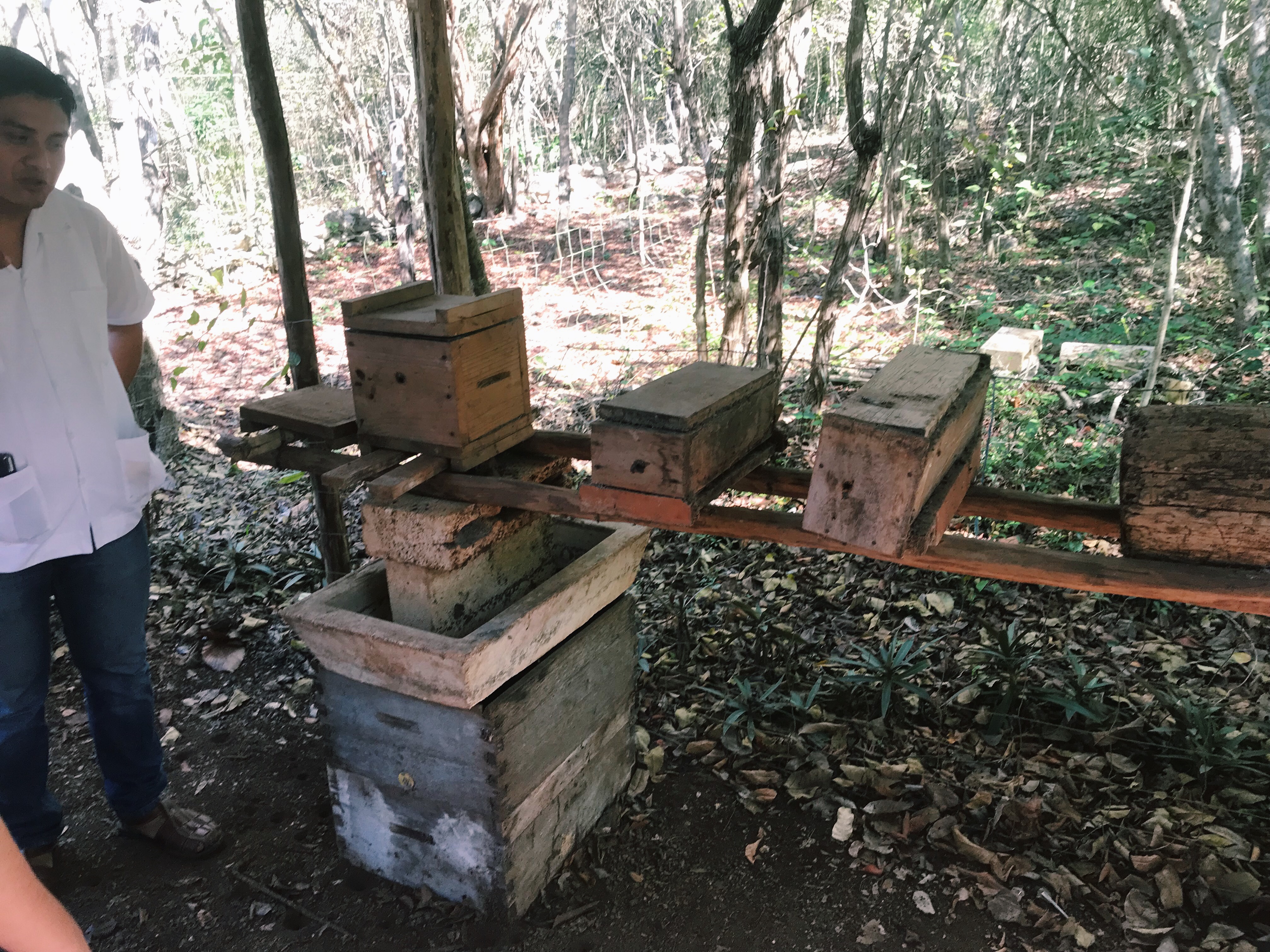
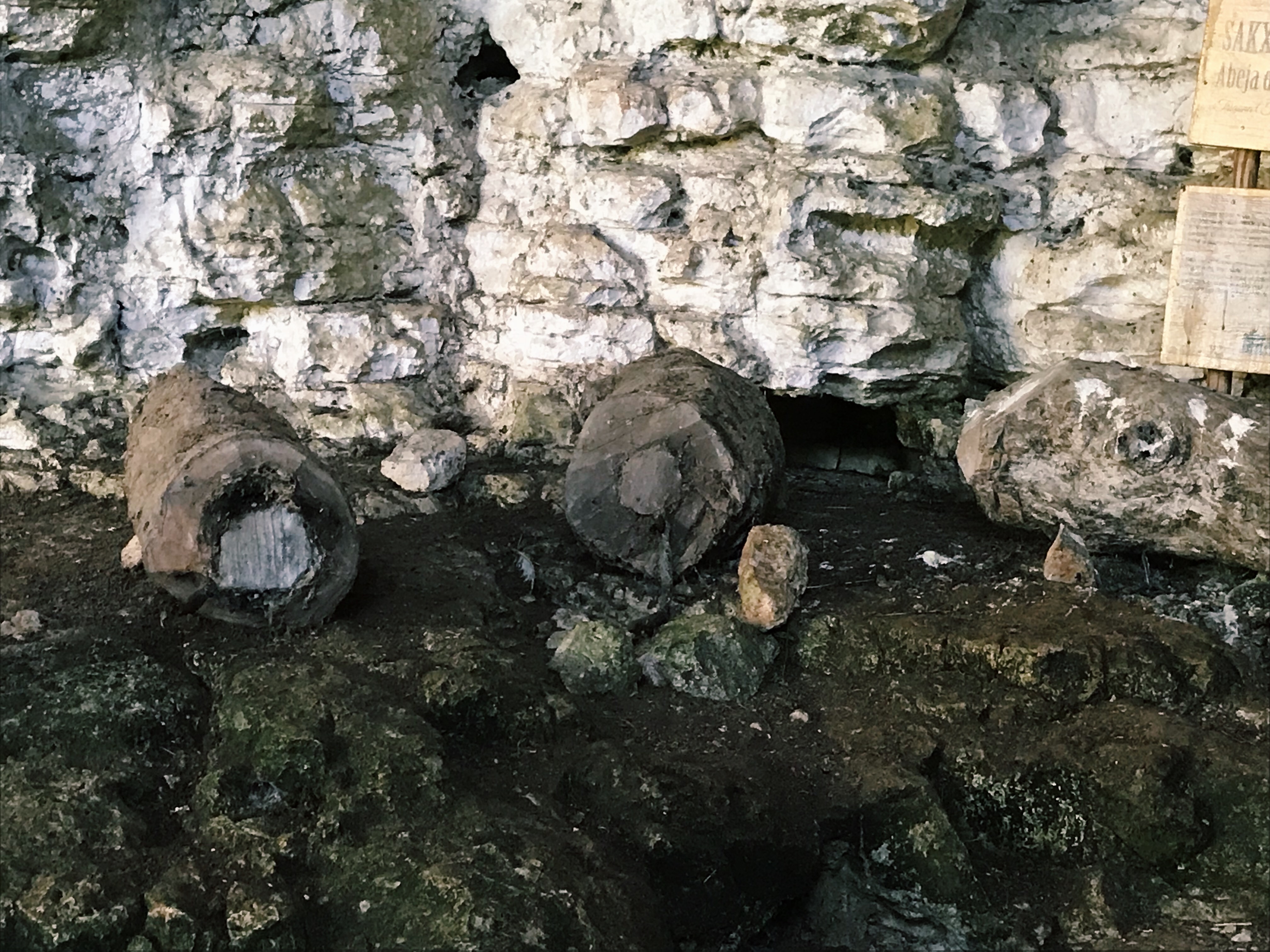
There are 4 different species of bees that live in Xkopek, including xnuk, sakxik, limon kaab, and abeja k’ant’zak. Sakxik bees have wide wings and do not bite or sting. Due to the white coloration on their wings, they are also referred to as abejas de alas blancas. Limon kaab bees omit a chemical pheromone that smells like lemons. These bees cannot produce their own honey, so they steal from other hives. To protect their hives, each bee species have guard bees that stay at the entrances to ward off any invaders. The logo for Xkopek park is of an ancient Mayan glyph of a guard bee. The native Mayan bees are a lot smaller than I thought they would be and look more like flies than European bees. Mayan bees live in three main types of hives, those in the ground, those on the top underside of the cenote, and those in logs. The hives that are located in the cenote are not harvested for their honey (miel), instead, the workers harvest honey from bee boxes specifically designed to avoid destroying the hives during honey extraction. In ancient times, the Mayans would carve large holes in the logs of hives where they could extract the honey with their hands instead of breaking them open. The Mayans had great respect for bees and thought of them as a gift to the people from the gods. They had many medicinal uses for miel, including mixing it to create cough syrup. In addition to using the honey, the Mayans also use the pollen and propolis.

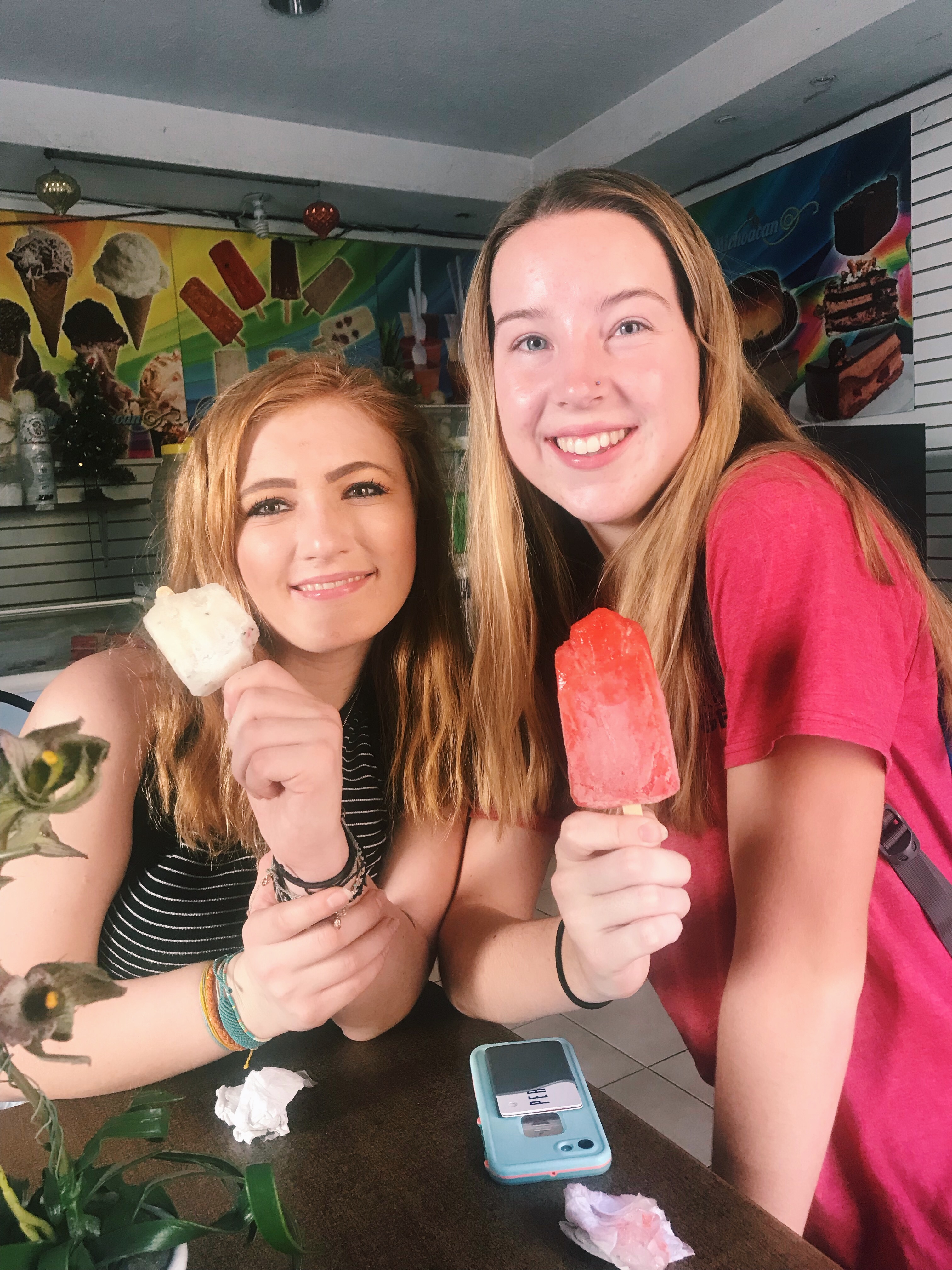
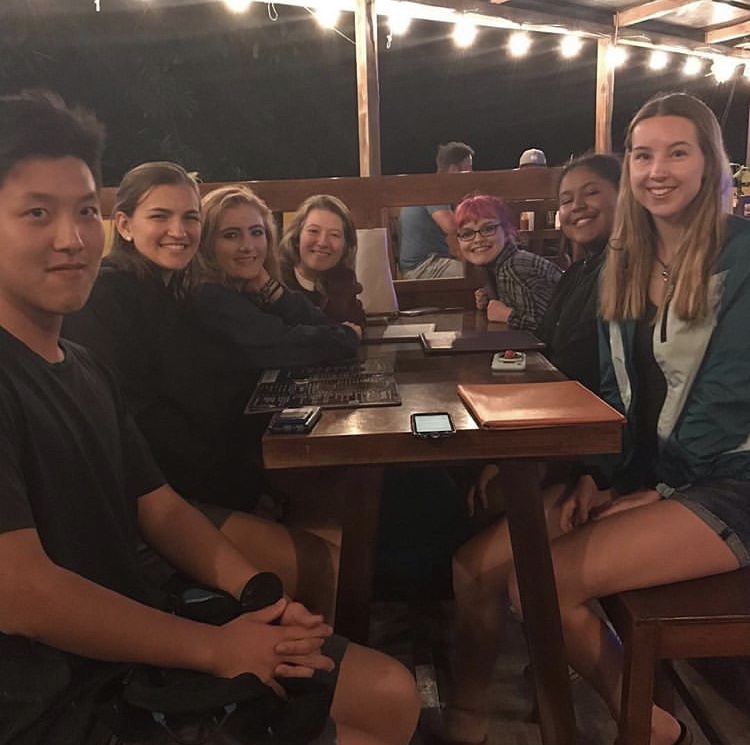
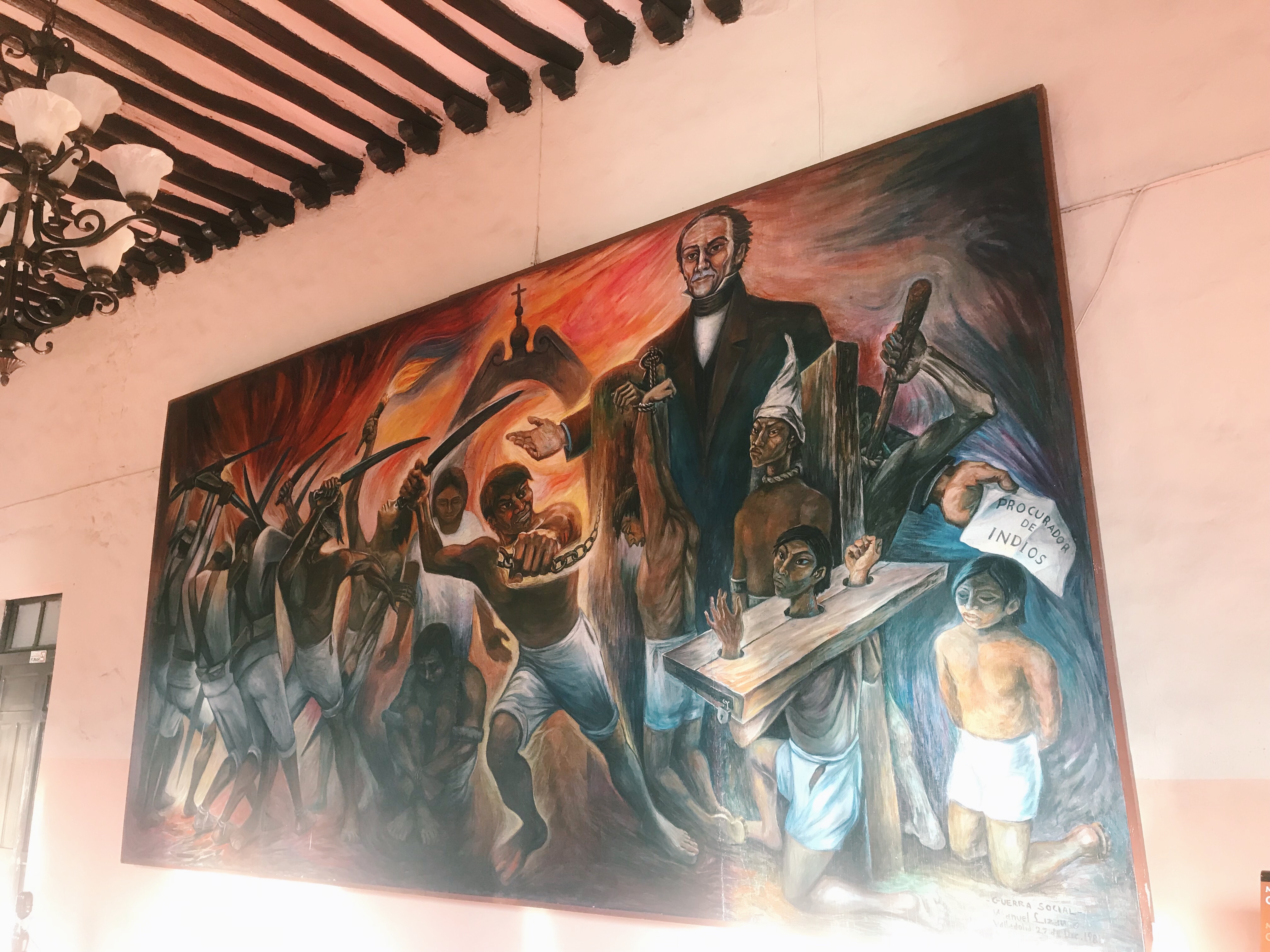
During our walk back to the hotel, we stopped in the plaza and visited una tienda de chocolate and a museum that explained the history of Valladolid through murals. We stopped to buy paletas (popsicles), and for dinner we ate sopes y panucho, which are similar to thick tortillas, with chicken, lettuce, and cebollas en vinagre. Today was also Jenah’s 20th birthday, so we went out to a restaurant and bar called Los Frappes to celebrate after dinner.

Today I learned a lot about how important bees were to the ancient Mayans and found it very interesting how they had such a close connection between nature and religion. The honey and honey products were thought to be sacred and the Mayans had so much respect for the bees that they have built entire temples for the god of bees and honey, Ah Muzen Cab. The Mayans were such a resourceful and advanced population, and it is devastating to think about how the colonists from Europe came in and destroyed their culture through exploitation and enslavement.

Jan. 11, 2019

Design a site like this with WordPress.com
Get started