
Dzibilchaltún y significado de Chaac
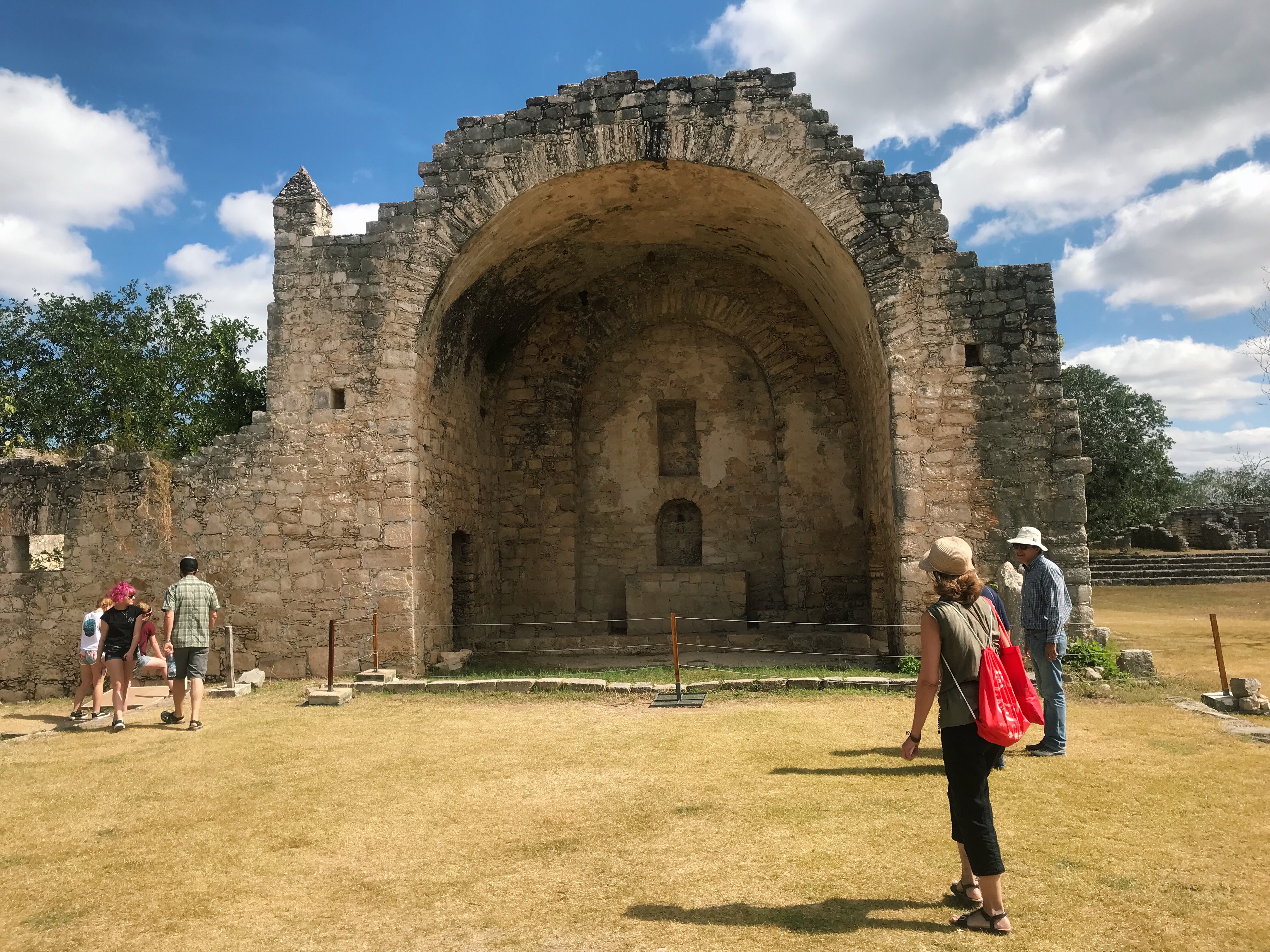
Today we visited the ruins at Dzibilchaltún. When it was occupied (300 B.C-conquest), the people at Dzibilchaltún relied heavily on their semi-close location to the ocean for an economy highly based on salt and agriculture. The two major features of this site are the Casa de las Siete Muñecas and the open colonial chapel. The House of the Seven Dolls is a temple that also has astronomical purpose, as the sun passes through the window (mouth of Chaac) during the equinoxes. It also has the shares other characteristics with traditionally astronomical observatories, like having four accesses and a window to the side of each entrance facing East and West. Instead of being named an observatory, this structure was named after seven small figurines that were found as an offering to Chaac within the structure.
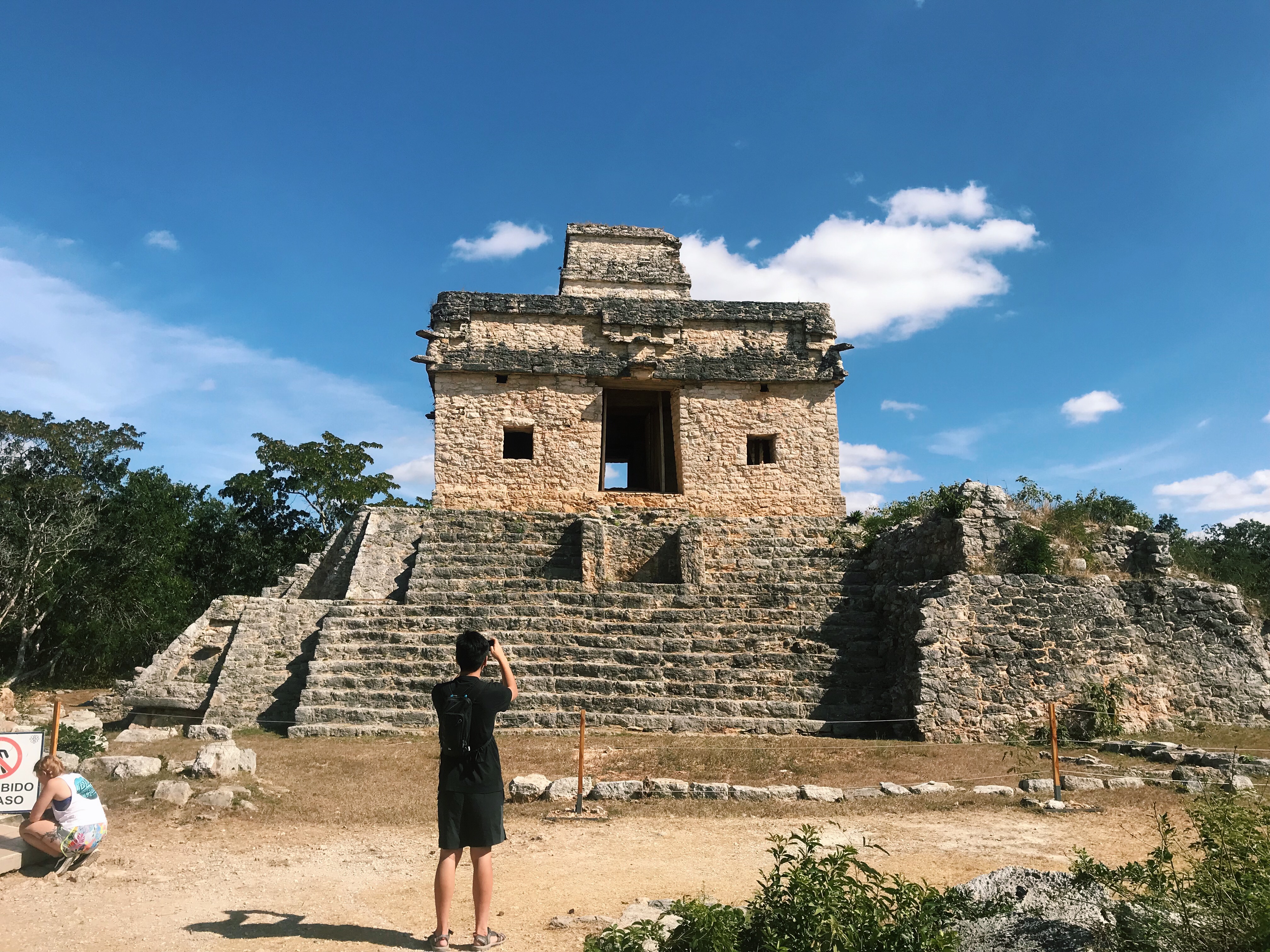
Front view of
Casa de las Siete Muñecas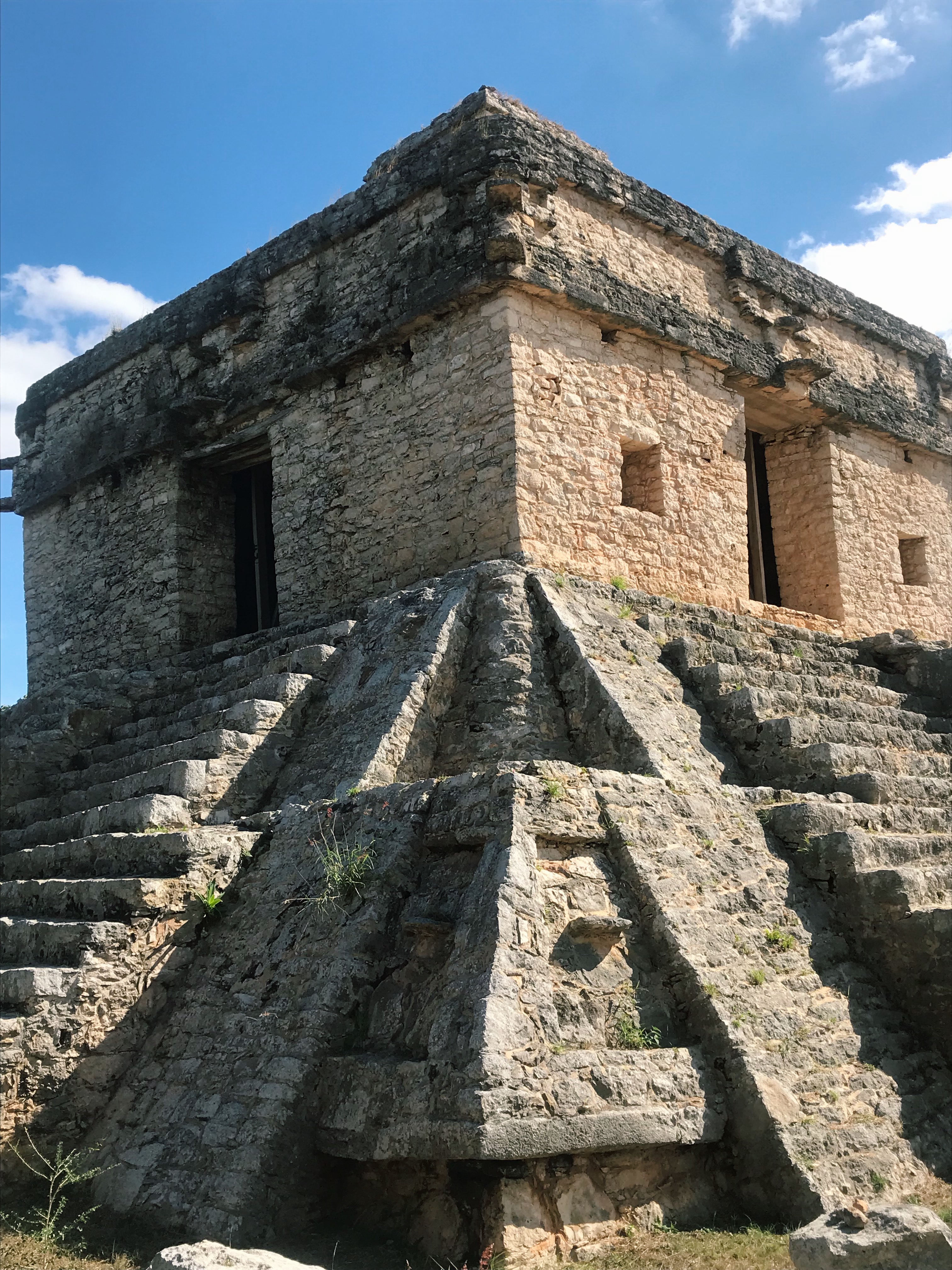
Corner view of
Casa de las Siete Muñecas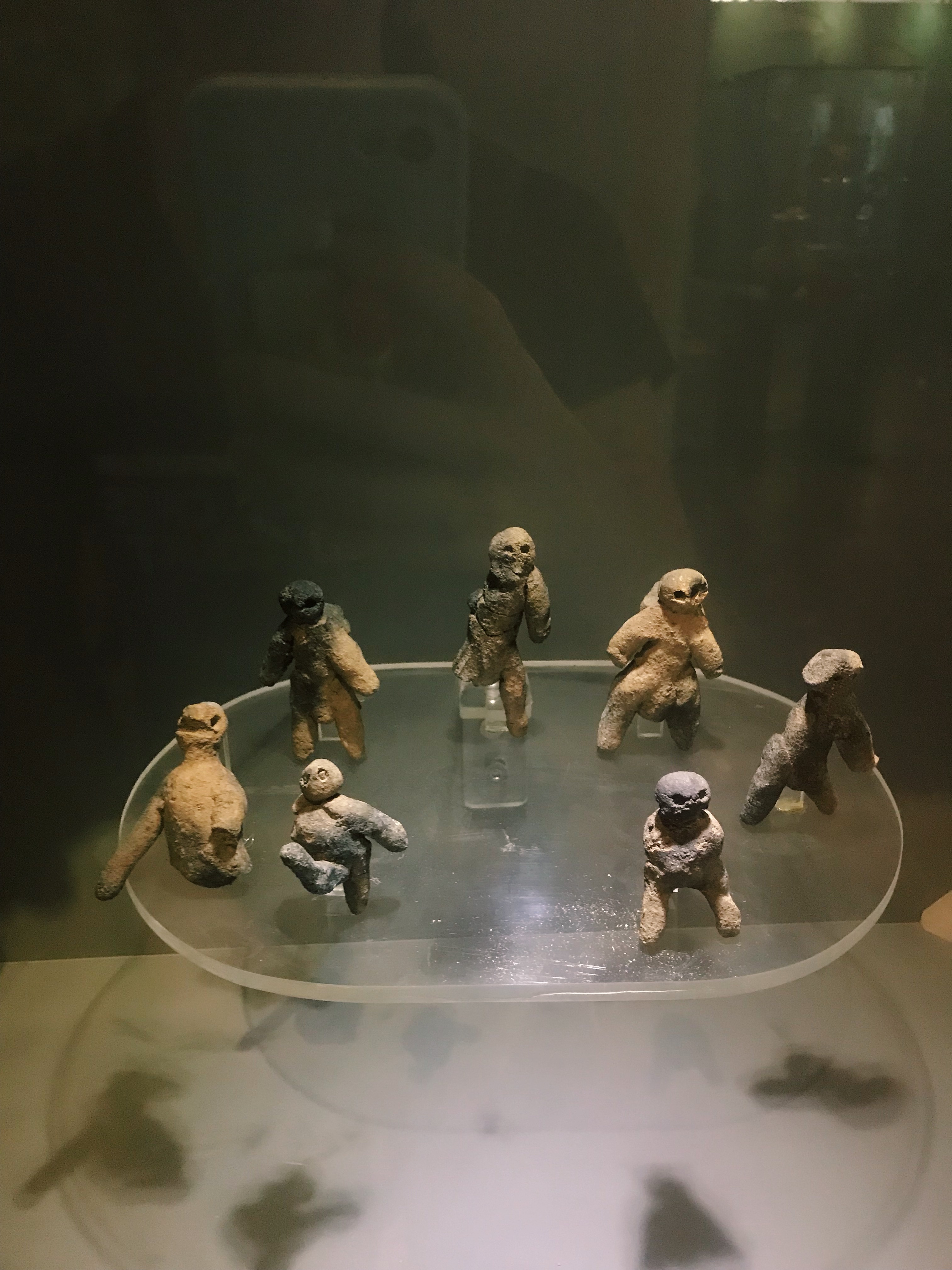
The seven dolls found as an offering to Chaac within the temple
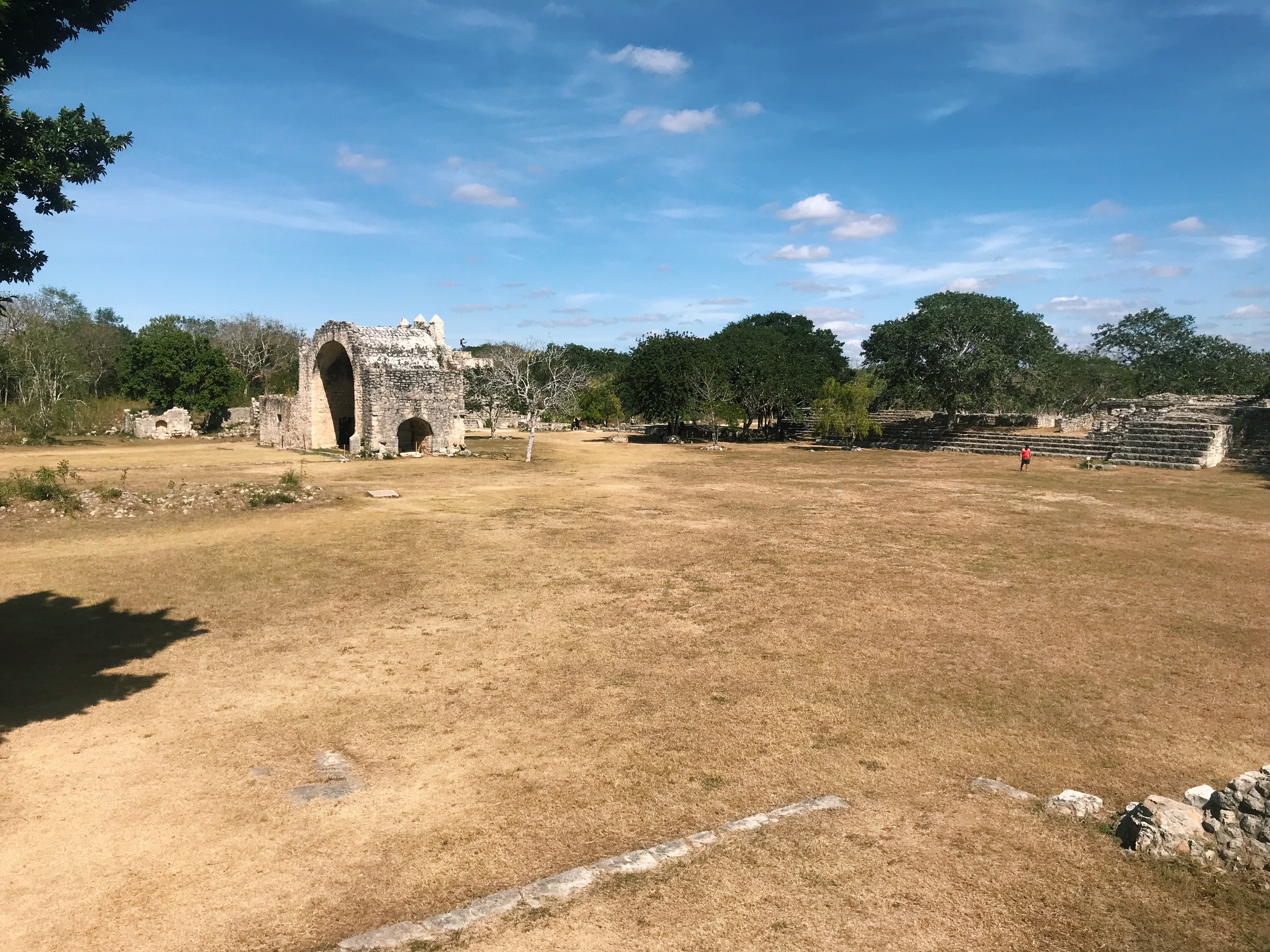
To build the colonial chapel, the Spaniards broke down pieces of the already existing Mayan temples and “repurposed” them. The main building was smaller than expected, as only the Spaniards were allowed to sit inside the building. The natives were required to sit in an open outdoor seating area. The Spaniards chose to build the chapel in the center of the city, which was likely already where the Mayans held important ceremonial events.
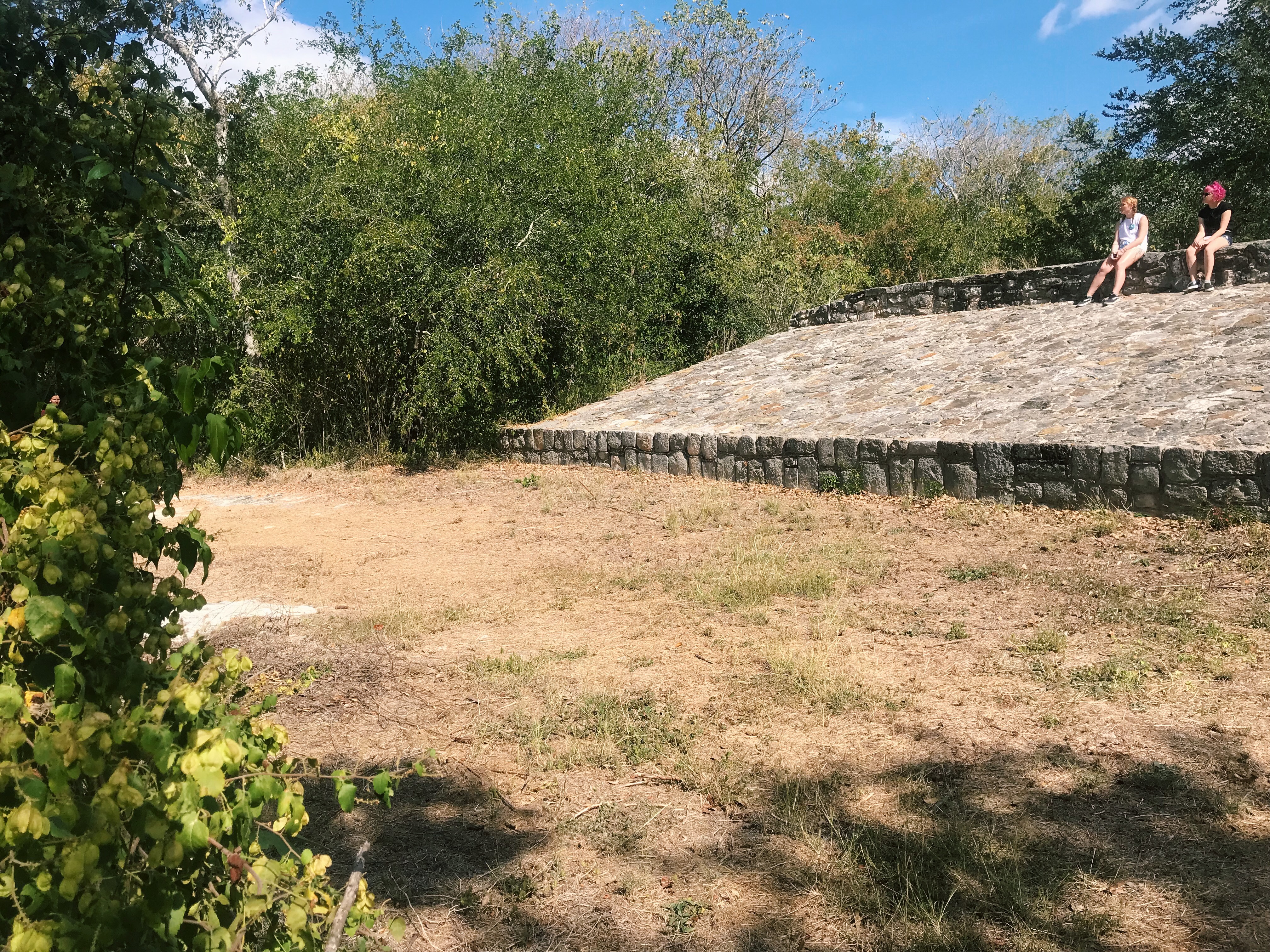
In addition to these buildings, there is also a small stadium where el jeugo de pelota was played. It is very interesting to see that there has been a stadium where the Mayans held this ritual act at every archaeological site we have visited so far. The Mayan people in different times and different places were all united through this common religious practice. It was a representation of who they were and how they expressed their beliefs, specifically the idea that giving one’s body to the gods is an honor.
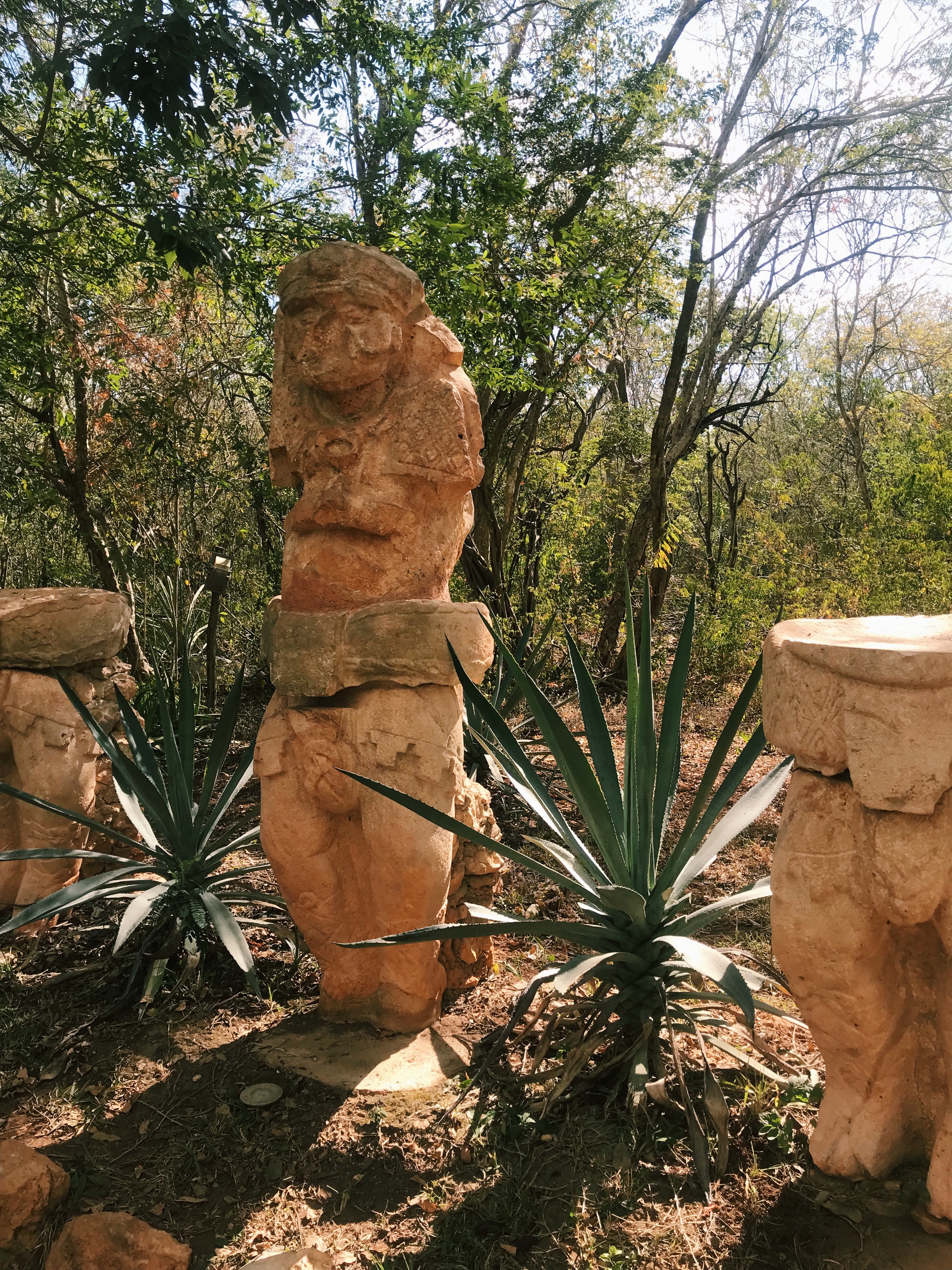
Another unifying factor of the different Mayan civilizations we have visited is the worshipping of the main god, Chaac. The worship of this specific deity can be attributed to the location that the Mayans lived. In the Yucatán Penninsula, there is very little access to fresh water for drinking or for irrigation to water crops, so most of their ritual acts and temples were created to honor the Mayan rain deity. Every site we have visited has had temples dedicated to Chaac, carvings of his face in their buildings, and various rituals to honor him and ask for rain. At the Tomb of Ukit Kan Le’k Tok’ (the tallest temple we climbed in Ek Balam), the face of Chac is carved above the entrance of the tomb. There is a mask of Chaac carved into the dome of the observatory and in the staircase of the Temple of the Warriors in Chichén Itzá. When we visited Yaxunah, we witnessed a ritual ceremony celebrating Chaac and learned that the Mayans collect the first rainfall of the season, as it is believed to have strong medicinal and spiritual properties. The face of Chaac is also carved in the Temple of the Frescoes at Tulum. In Dzibilchaltún, the House of the Seven Dolls was a temple to Chaac. Chaac was also linked to the four cardinal directions, each with a certain color, that were represented at the top of the cemetery in Xcaret by the four ceiba trees wrapped with colored ribbon.
Even though each of the sites we have visited have their own specific attributes that make them unique, it is important to keep in mind that they all share the common factor of being Mayan and the common characteristics that come with that. Realizing this makes the trips to the ruins more meaningful because I am able to see the significance behind the temples and carvings instead of simply admiring them.
Jan. 17, 2019
 Explorando en Yucatán