Ciencia marina y Cultura mexicana
Today we drove back to Cancún to spend the day at Xcaret Park, an amusement park located on the beach that felt like a cross between Sea World and Ocean Breeze Waterpark. Immediately after the worker gave us a brief overview of the park, a group of us headed straight for el rio subterraneo (underground river). We strapped on life jackets and floated/swam our way through a series of caves and coverings that separated the natural river from the rest of the park above us. The water that carried us along was the same clear blue as the cenote we swam in earlier this week, but due to our proximity to the ocean, the water was very salty. Unfortunately, we were not allowed to bring our phones with us in the river, so I don’t have any pictures of us in it. Once we made it to the end (about 45 minutes later), we stopped for a quick lunch an at international food buffet and then walked over to shallow rock pools created by fossilized coral reefs.
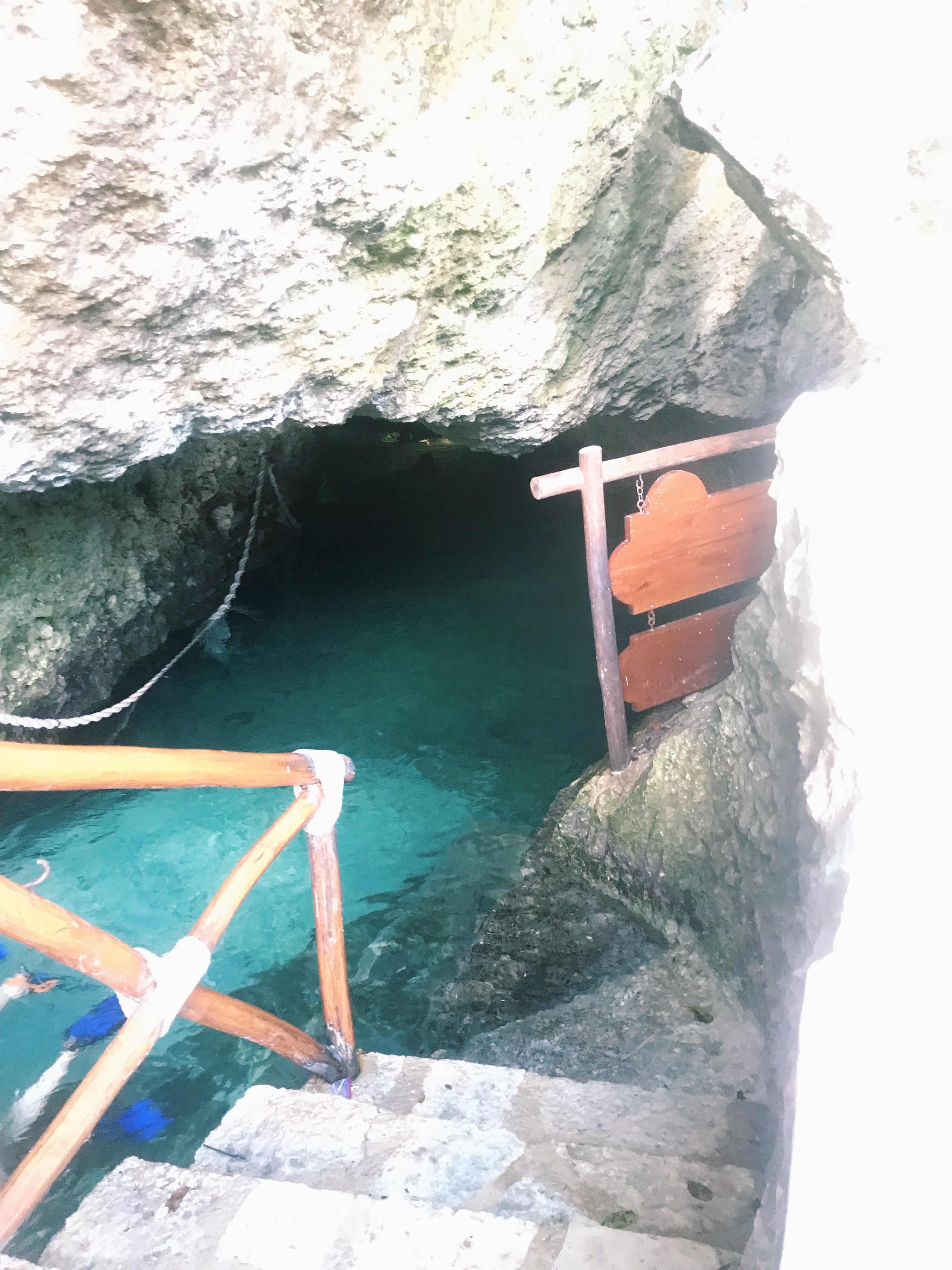
Underground river 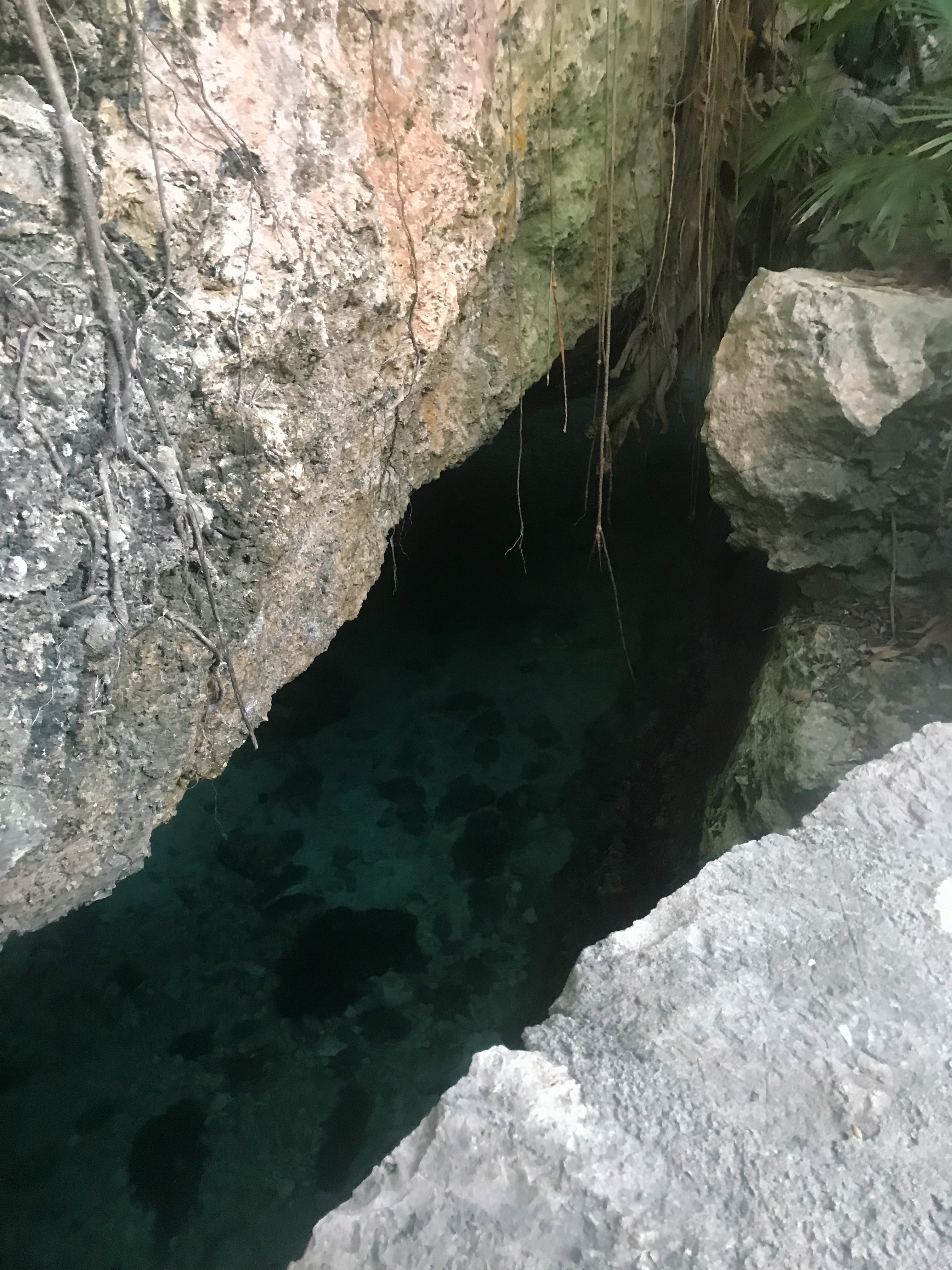
In these pools, I found lots of marine life including two different types of coral that had washed in from the incoming waves crashing over the reef,
Sargassum (a type of brown macroalgae), fish eggs, small crabs, hermit crabs, and sea snails. There were also many species of small fish in the natural pools. As someone who is studying Marine Science, I was beyond excited to explore these small pools and examine the fossilized remains in the old reefs. Unfortunately, we were not able to explore out into the open sea (at least not without paying first), but exploring the fossilized reef was almost as cool as exploring a live one.
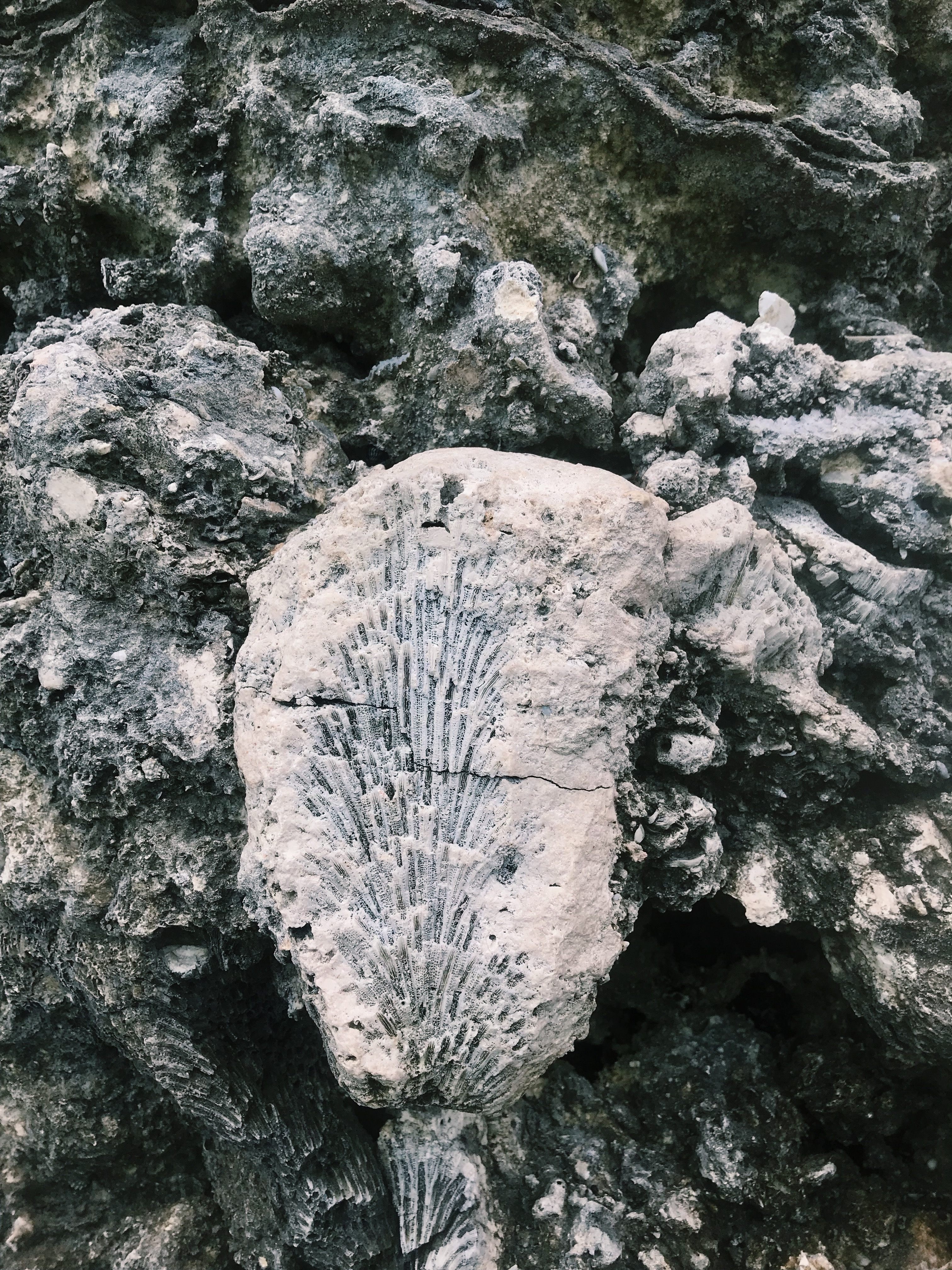
Fossilized reef 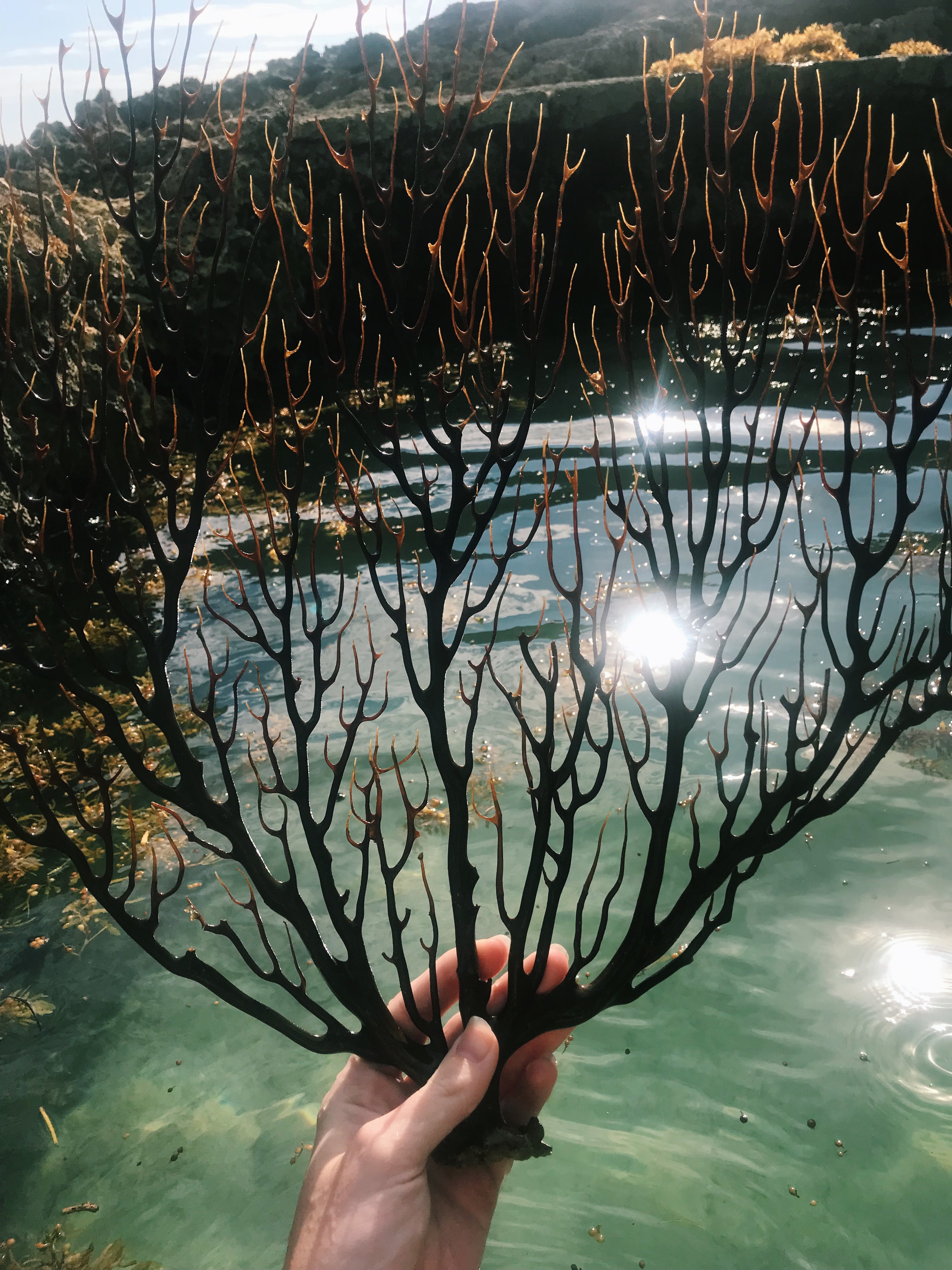
Coral 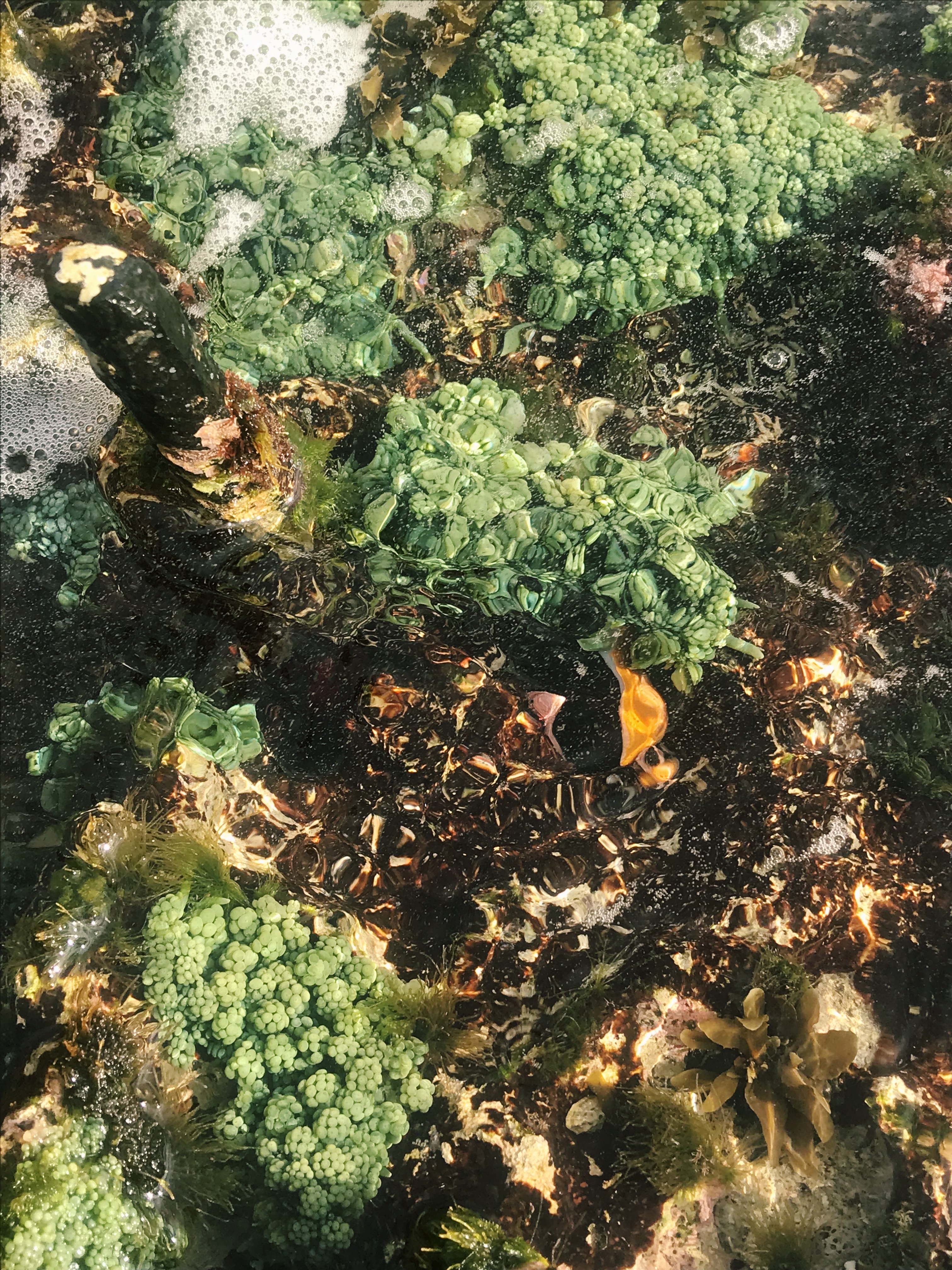
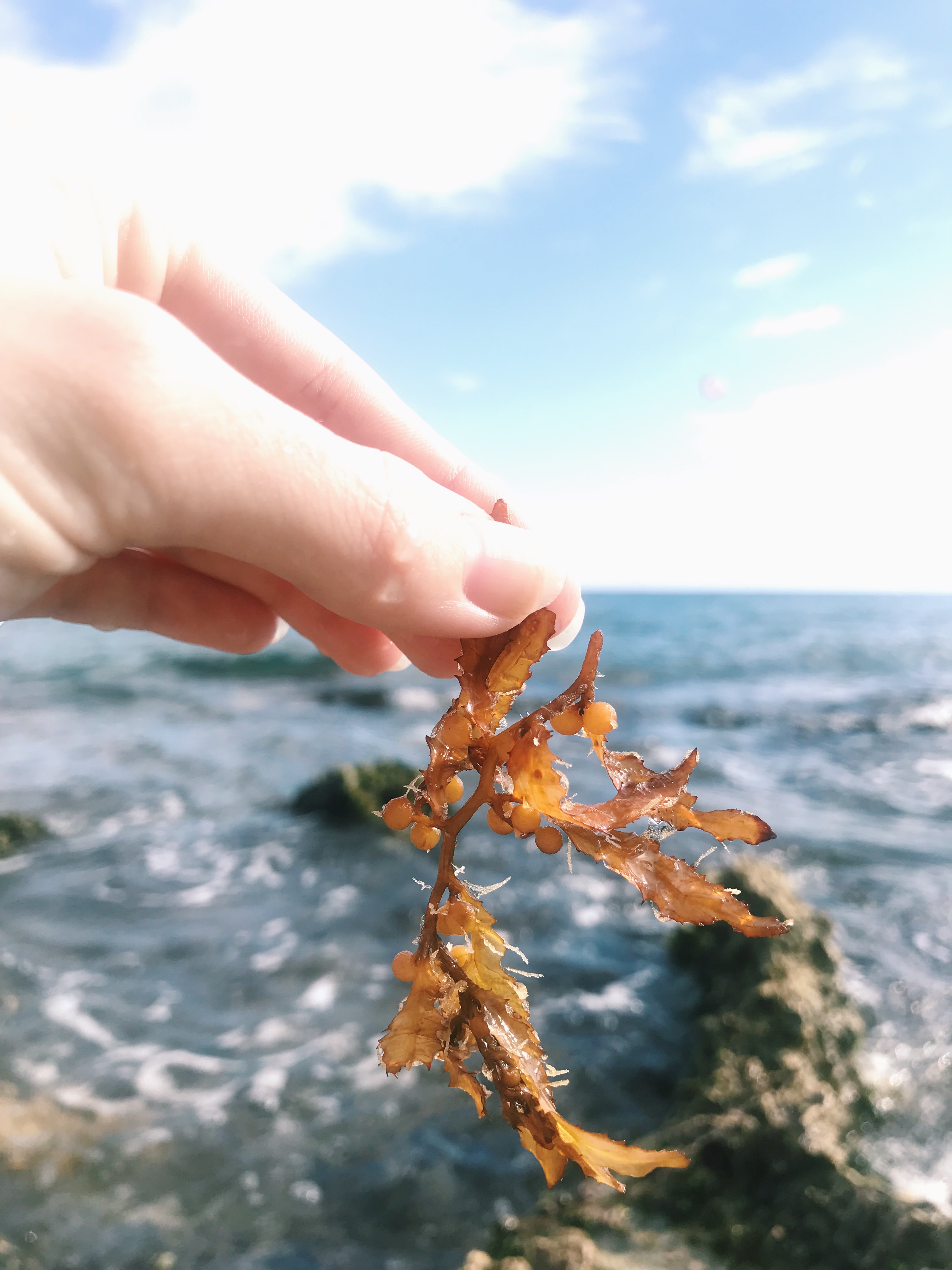
Sargassum 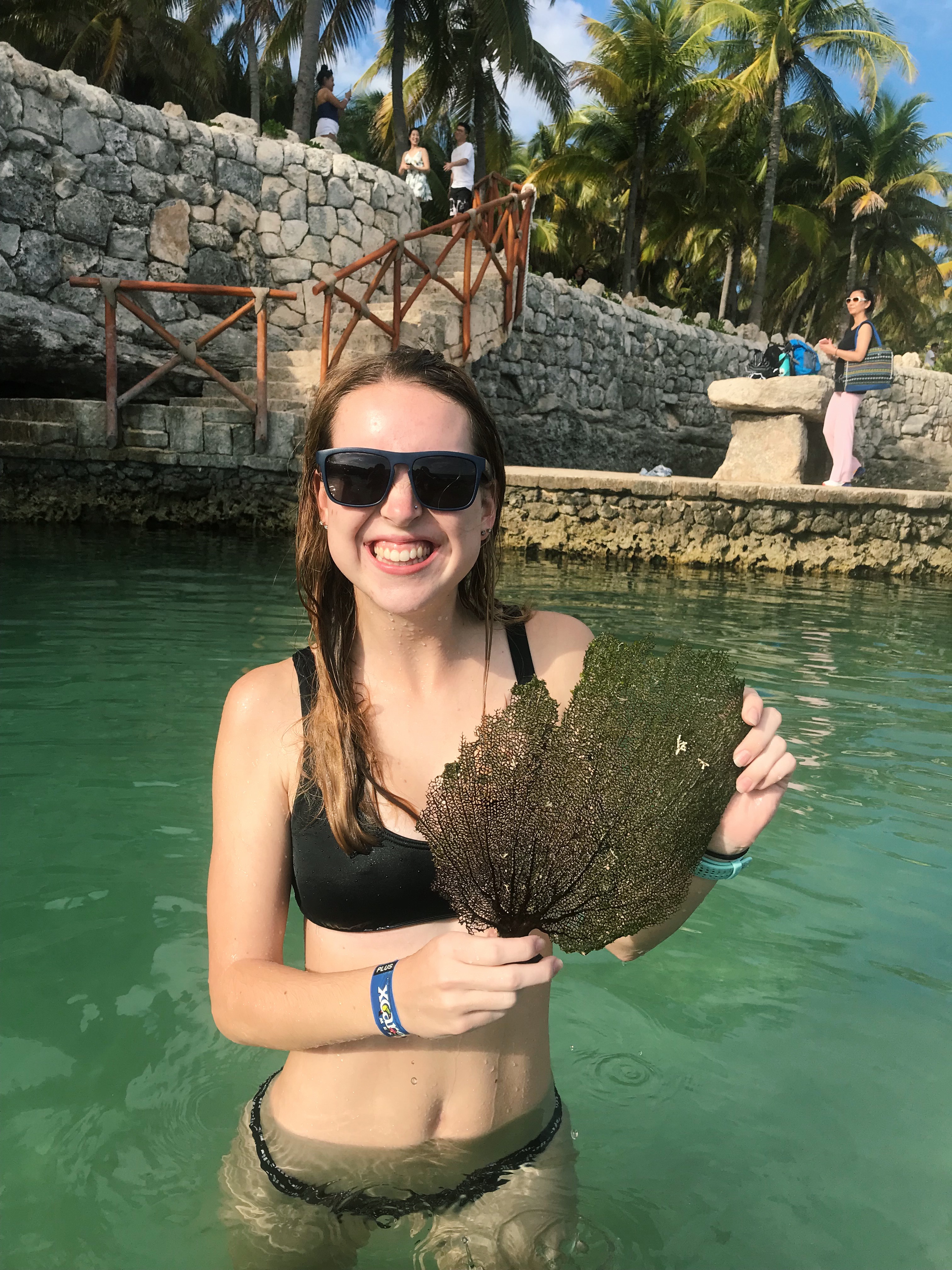
Coral 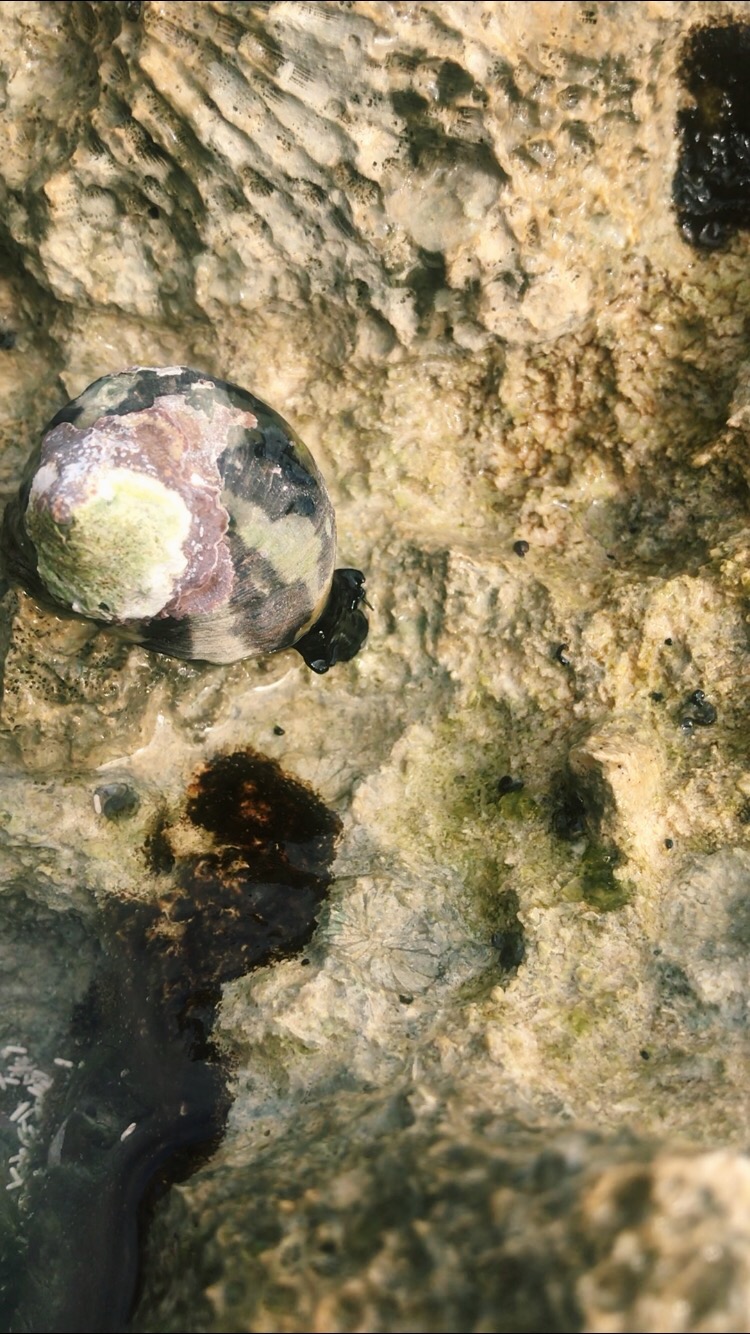
Snail 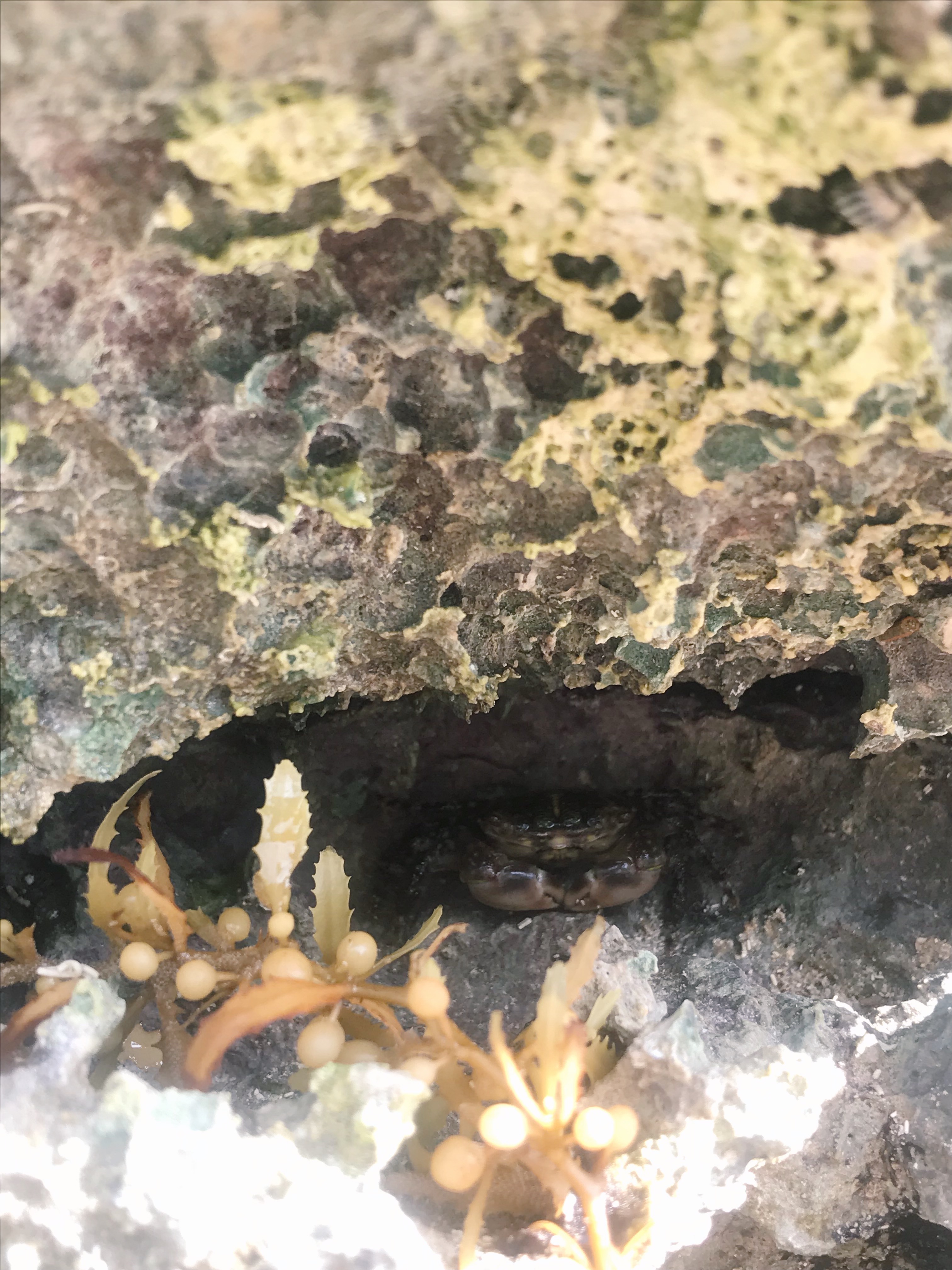
Small crab 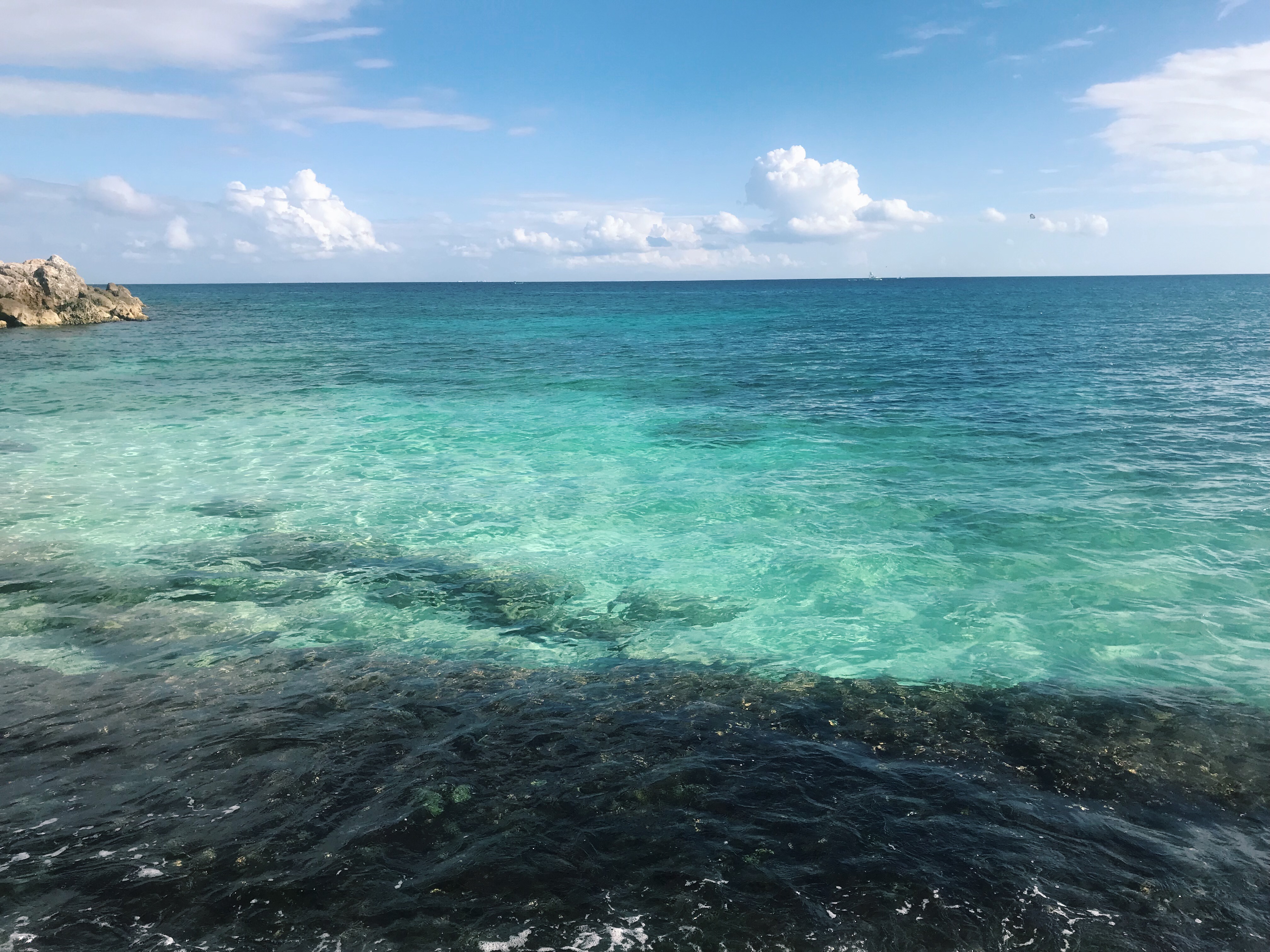
Ocean water 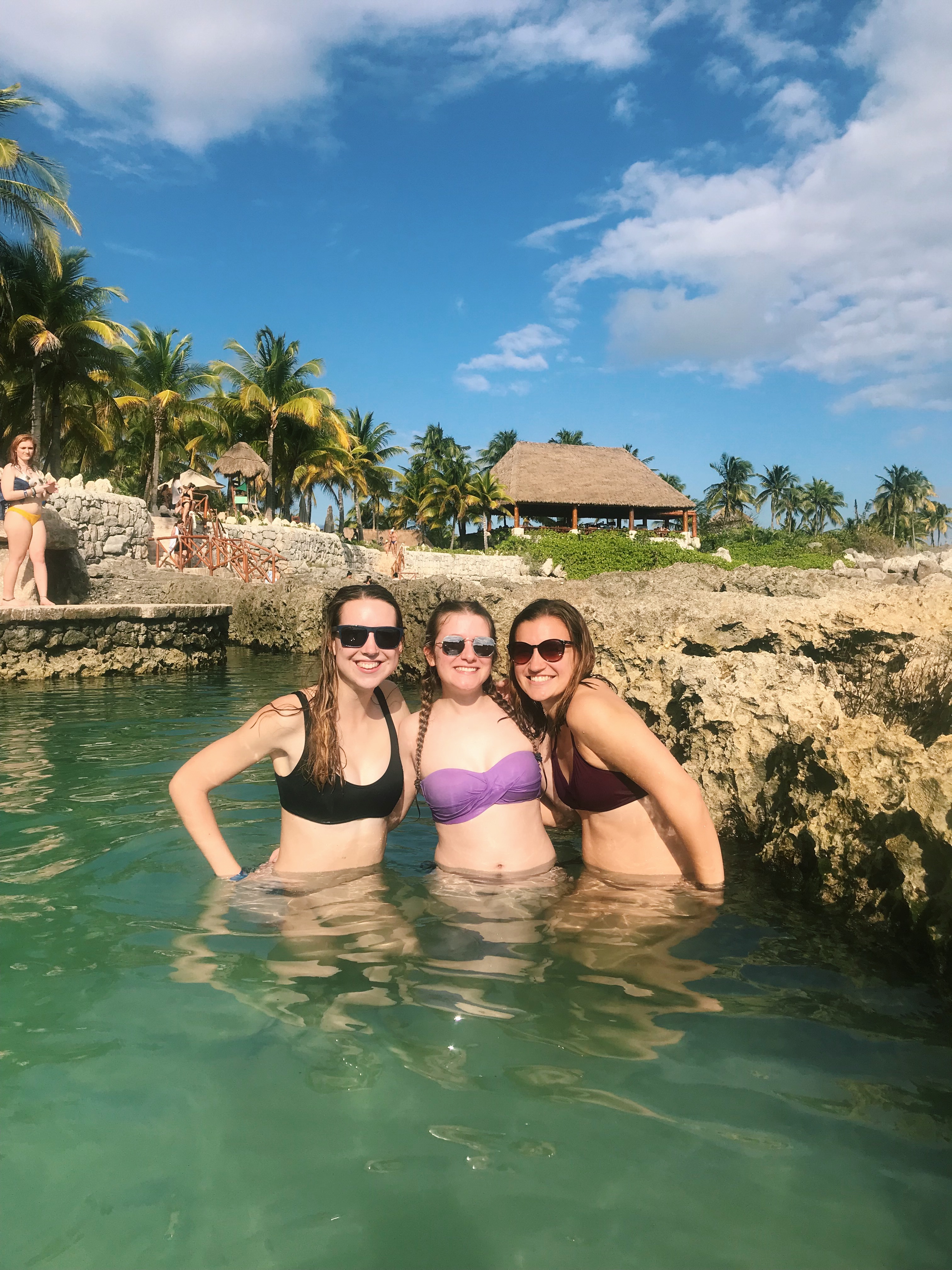
Molly, Destiny, and I in one of the pools
After spending a lot of time in these pools, three of us walked over to a small inlet beach to sit in the sun and relax. This free time was much needed after how busy we have been since we arrived in México. We waited for the sun to peak out from its hiding place behind the clouds, but it kept hovering on the very edge, and it never got any sunnier. Eventually, we gave up on waiting and decided to walk around more of the park. We saw a manatee exhibit, jaguar exhibit, and a colorful Mayan cemetery. The cemetery had 365 tombs, 7 levels, and 52 steps total and was topped off with the sacred ceiba trees, just one example of how much the Mayans appear to have loved symbolism and representation. The graves themselves were decorated with intricate sculpting and bright coloration.
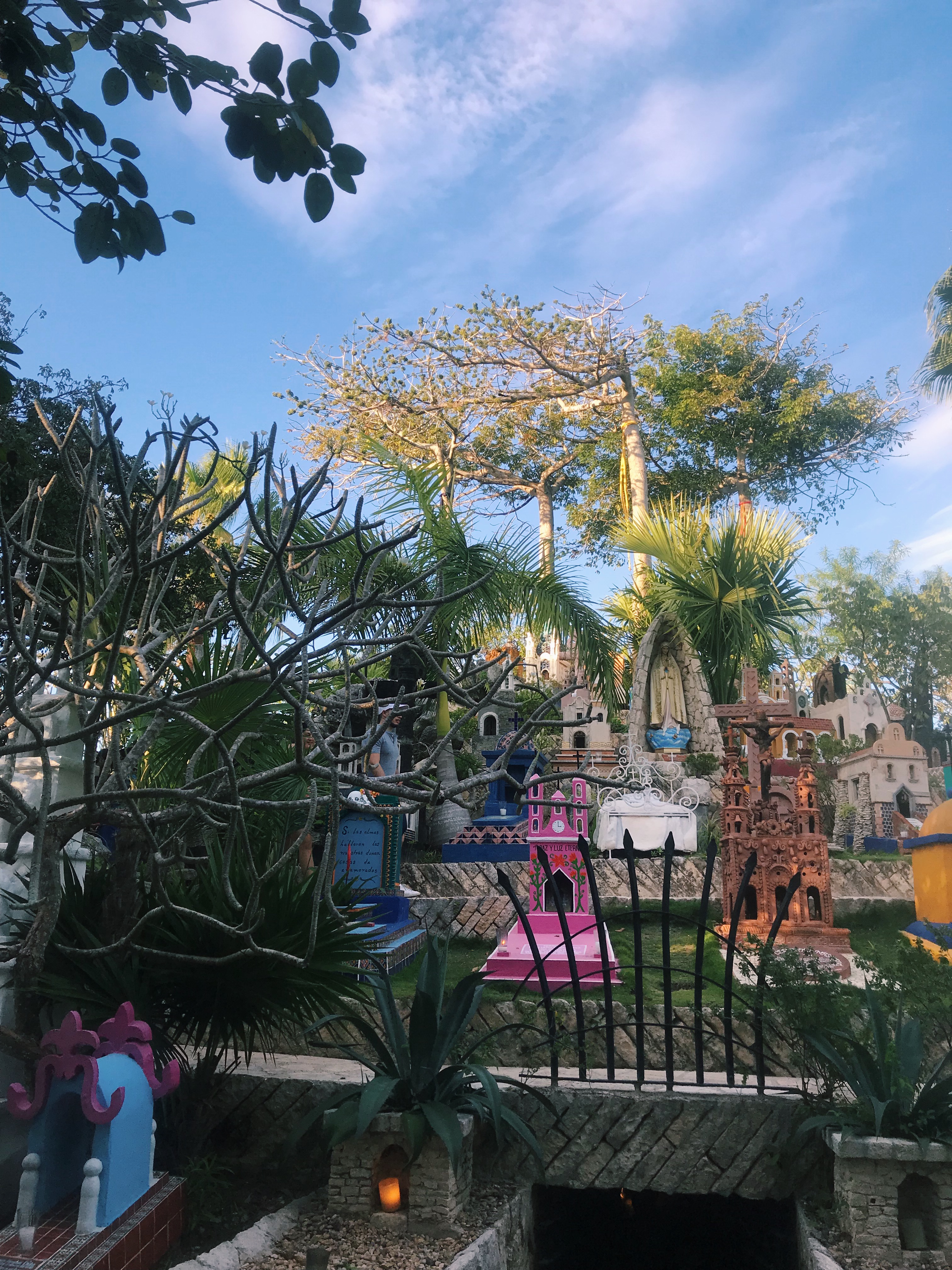
Mayan cemetery 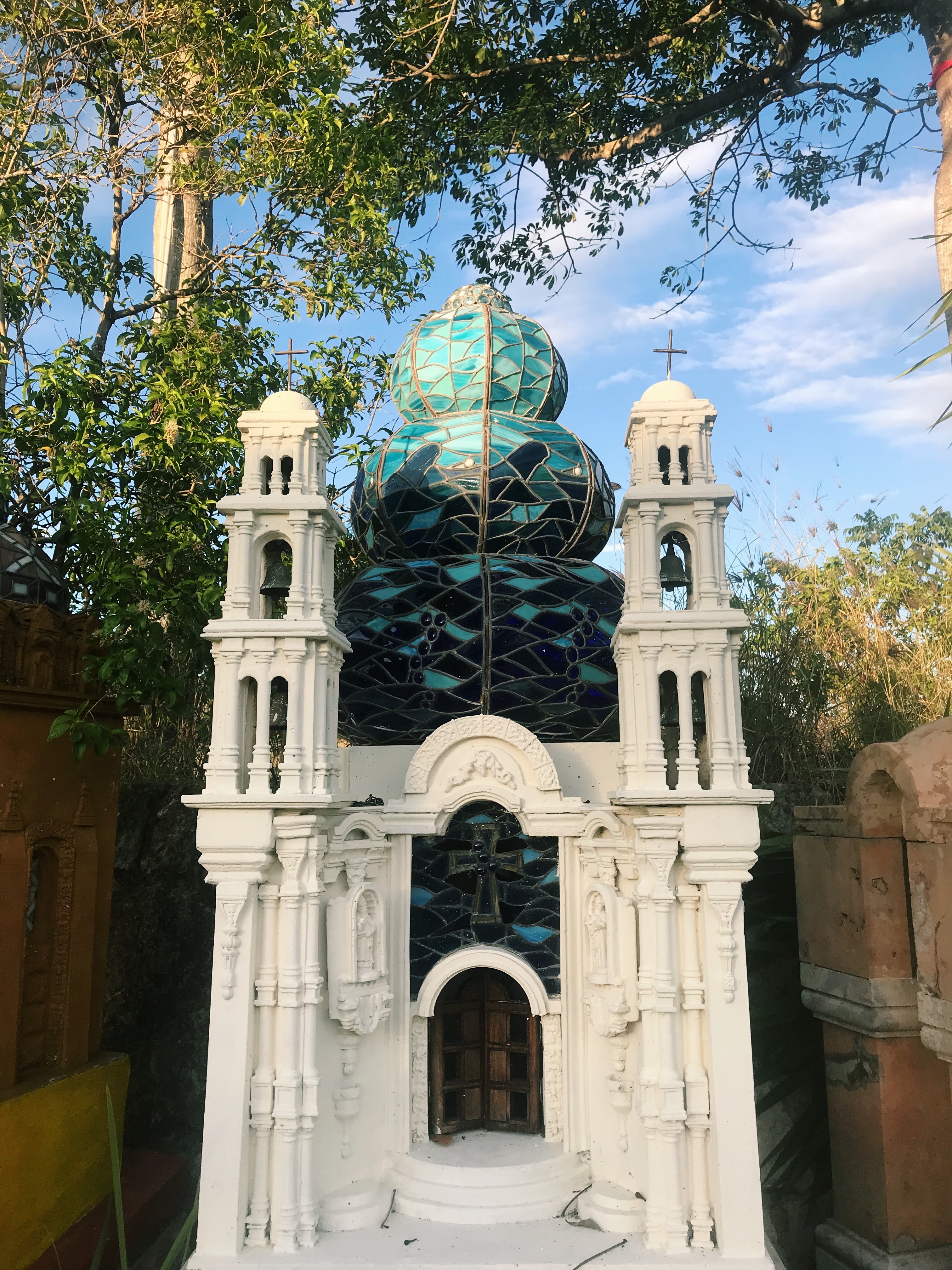
Close up of a tomb 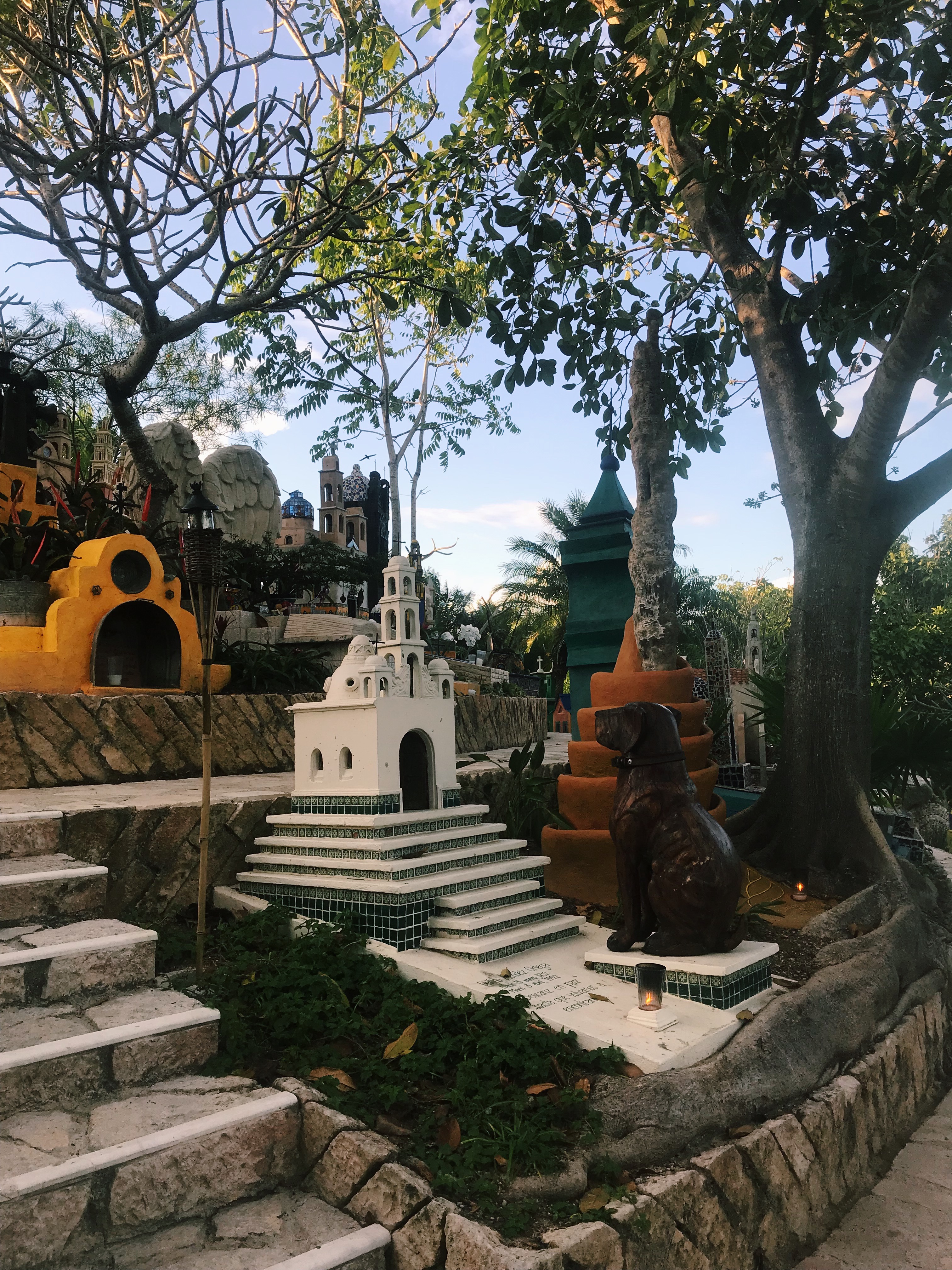
Tomb with god sculpture 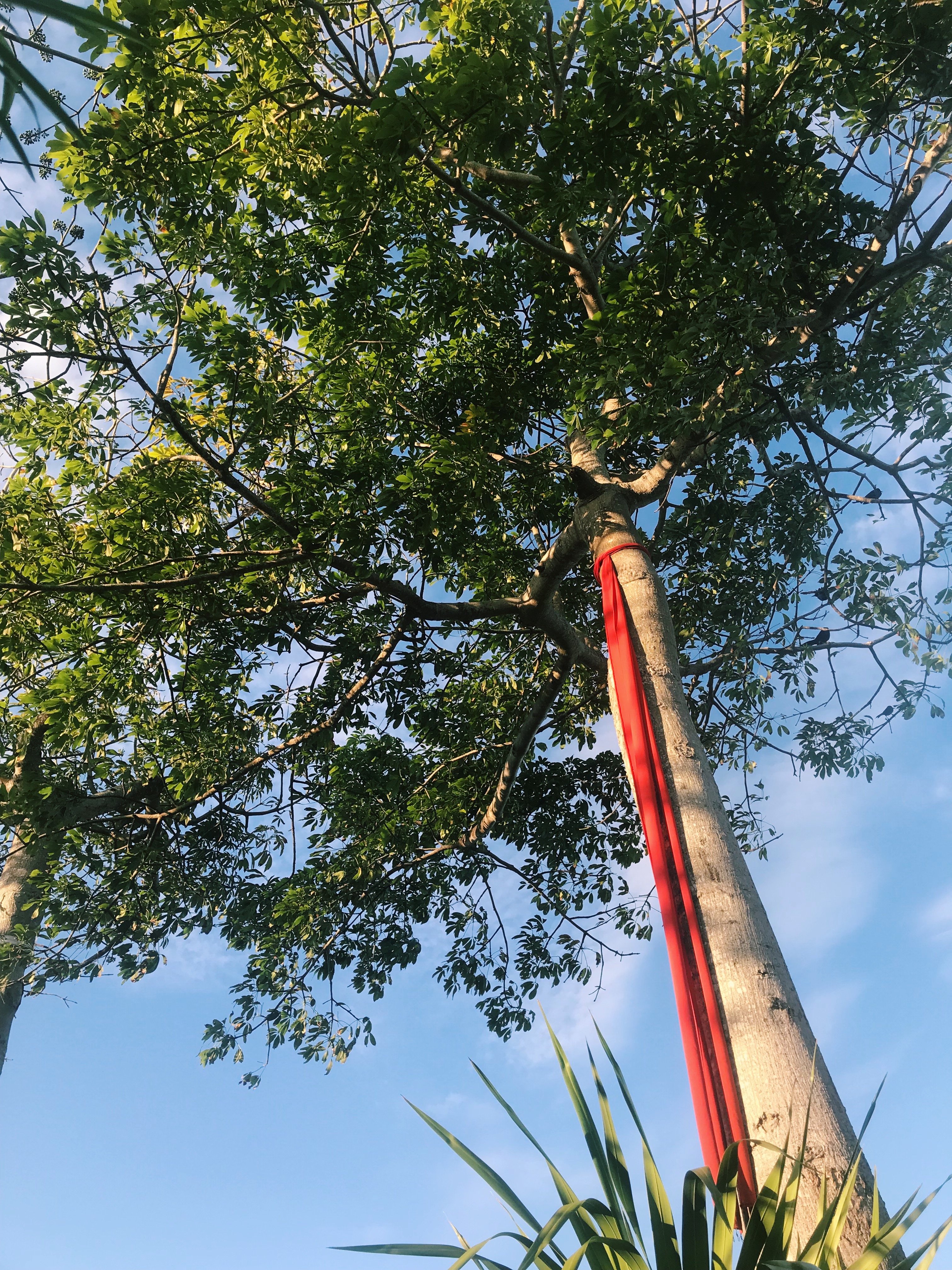
Ceiba tree in cemetery 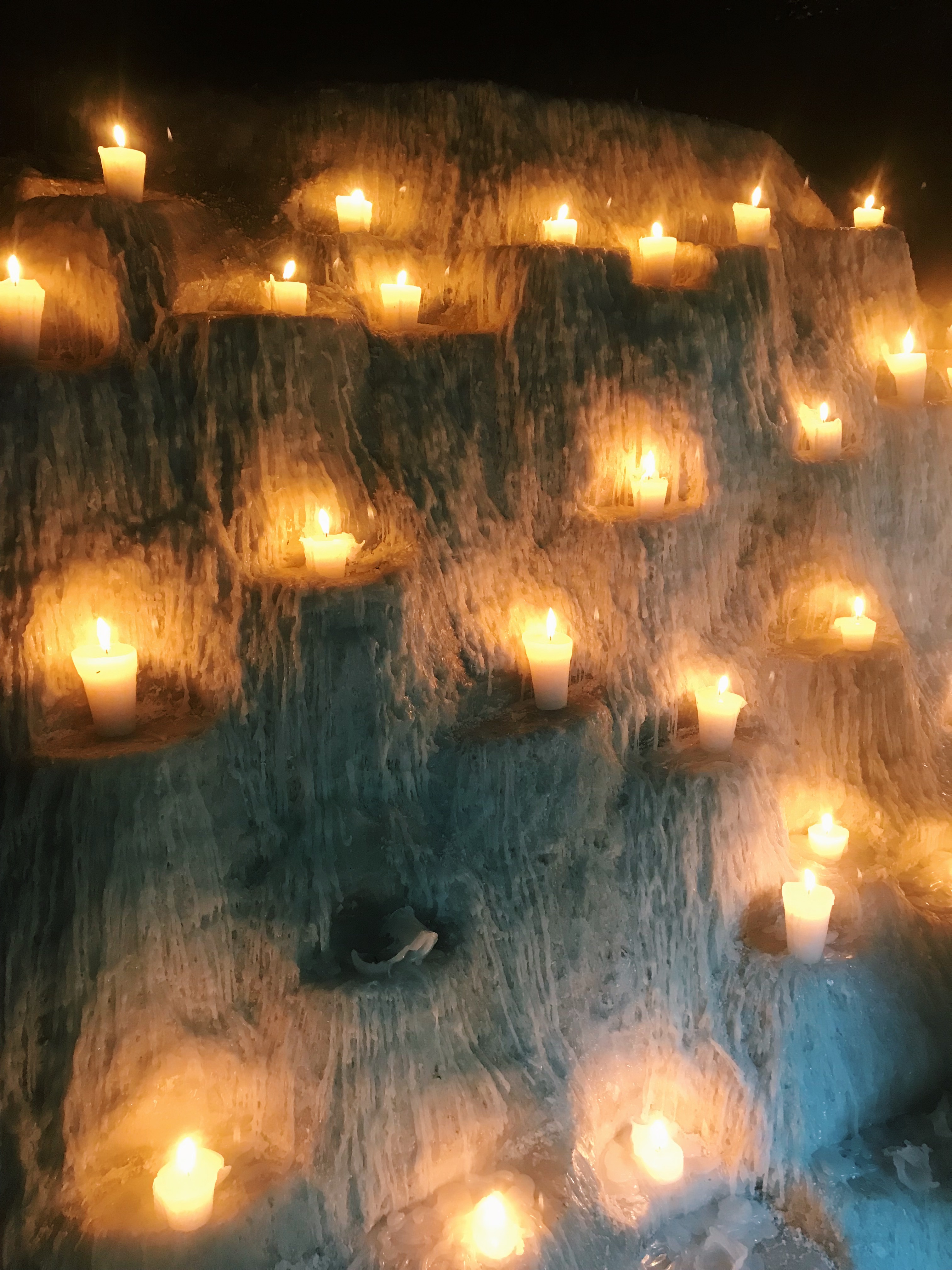
Candles underneath the cemetery
When we were finished walking around the park, we met with the rest of the class to watch a light and music show about the history of Mexico. The show started with a depiction of the ancient Mayan civilizations and included el juego de pelota as well as a new game that was similar to hockey with a flaming ball. This segment went on to describe how the population was altered when the Spanish invaded, specifically their conversion to Catholicism. The show used vibrant lights, talented dancers, and energetic music to represent different cultures of Mexico and their history, legends, and dances. The espectáculo de luces y música ended with all of the dancers representing the different regions came together for a final song (which was likely the national anthem) to show the unifying of the country over time. This show was probably the most educational part of the day and by far the most captivating live performance I have seen.
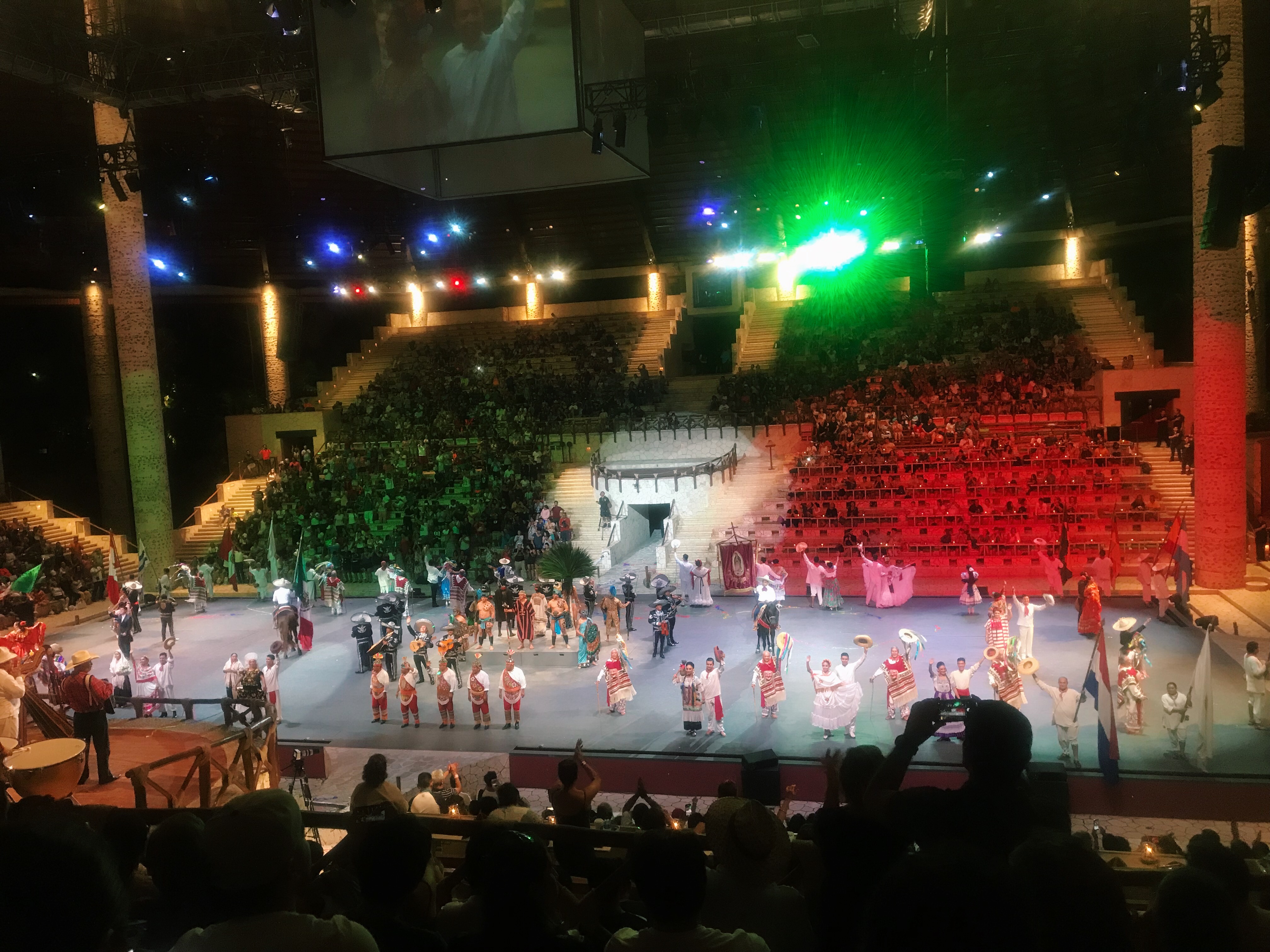
Generally speaking, today seemed more like a fun day off at a park when compared to the rest of the activities we have done, but we were still able to learn a lot about the Mexican culture. So far on this trip, we have been focusing heavily on Mayan culture, so it was nice to have a little break from that and learn about the cultures making up the country as a whole. I really enjoyed spending time in the rocky pools and being able to apply knowledge I have in other fields. I loved being able to apply more interdisciplinary perspectives to this trip and look forward to what I’ll be learning next.
Jan. 13, 2019
 Explorando en Yucatán