Un día lleno de aventura y diversión.
Early this morning around 7:00, Destiny and I woke up and sat out on the small porch in front of our room to enjoy a time of peace and quiet. I was surprised to find that this so called “peace and quiet” we had hoped to find was essentially nonexistent. People were moving about preparing breakfast while making small talk. The sound of roosters crowing, chairs moving, and plates stacking filled the morning air. After spending some time reading and taking in my surroundings, Destiny, Chen, and I took a seat at the breakfast table where we soon received jugo de piña mixed with honey to drink and a bowl of papaya, cantaloupe, y plátanos to which we could add yogurt and granola. After breakfast, the three of us walked to a corner store called La Abuelita to buy bottled water for the day. However, once we got back to the hotel and opened the bottles, we made an interesting discovery: what we thought was regular water turned out to be carbonated. Assuming it couldn’t be that bad, I gave it a try… and it tasted worse than I thought it would. Deciding there wasn’t enough time to go back to the store before we left for our first excursion of the day, I poured the carbonated water into a reusable bottle and we went on our way.
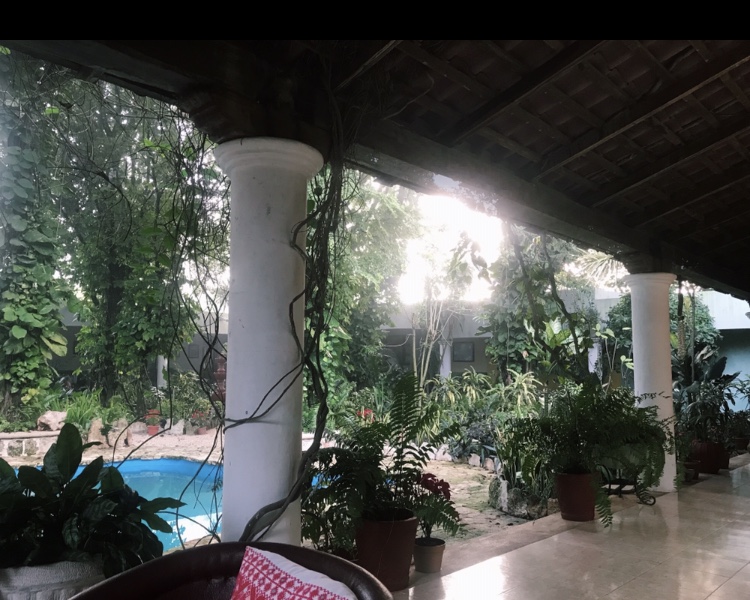
Patio del hotel 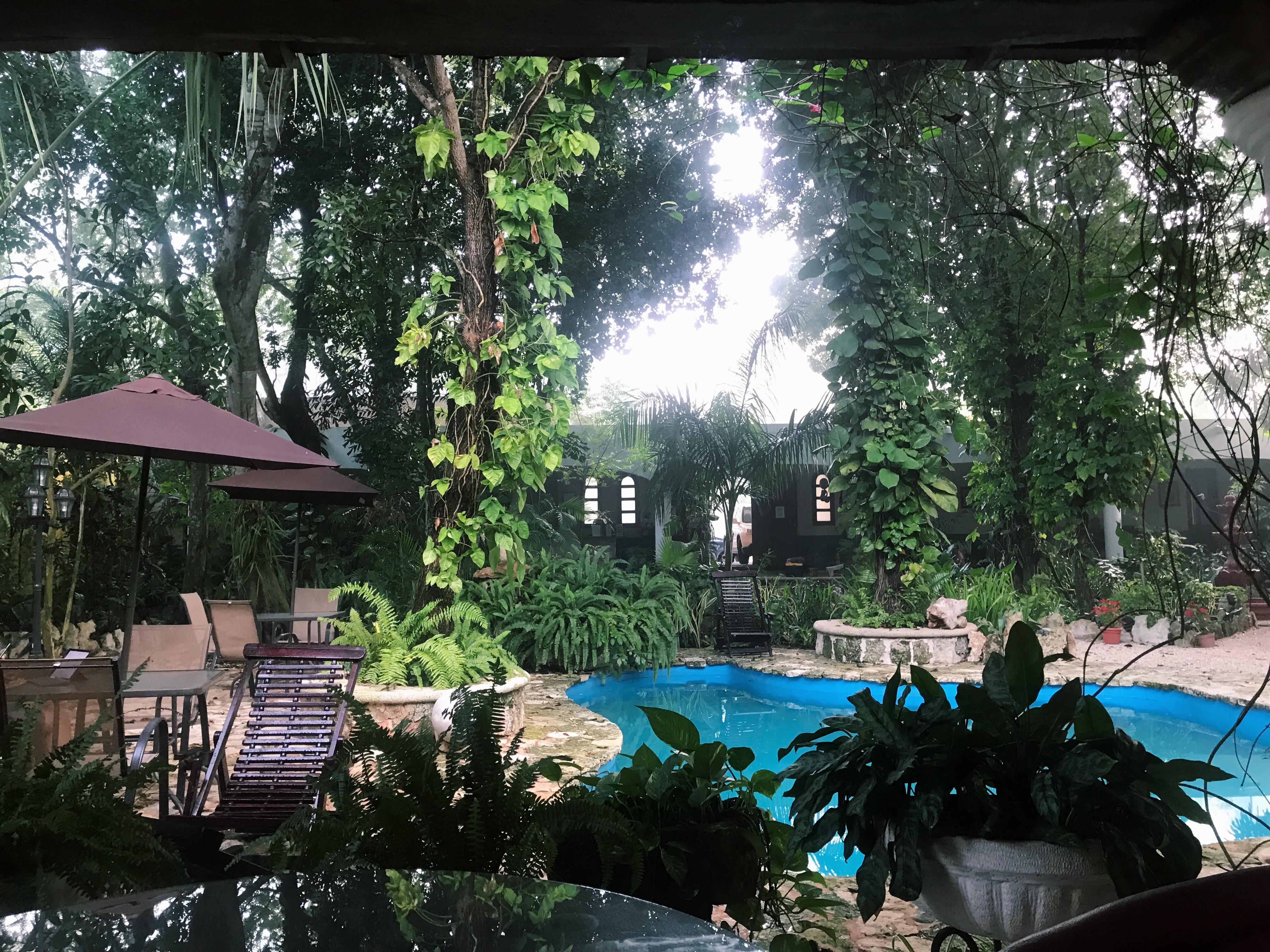
Patio del hotel 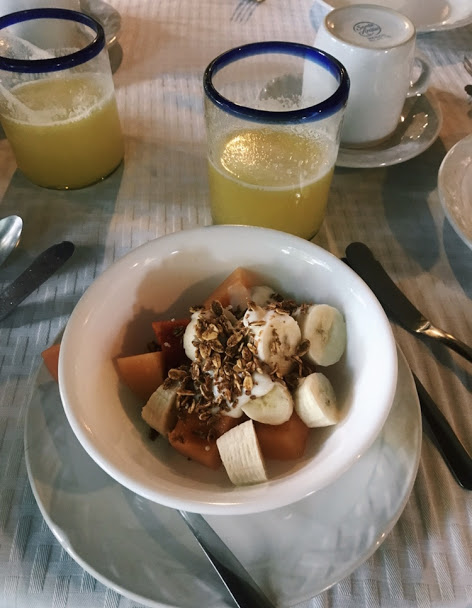
El desayuno
Ek Balam was the first place that we explored. It is a Mayan archaeological site that was started during the Pre-Classical era in 100 B.C, and continued developing into 900 A.D. The site consists of many large stone temples with more stairs than I could count and almost too many to climb. We climbed up two temples, the first one considerably smaller than the latter. The second temple we climbed is called the El Torre pyramid, the largest pyramid in Ek Balam. The already strenuous climb was made harder by the humid air and the merciless sun beating down on us, to which the almost undrinkable carbonated water offered no relief. As we neared the top, the steps became narrower and taller which made it difficult to keep good footing. When we finally made it to the top of the pyramid, the view was breathtaking. We could see trees and plants stretching all the way to where they met the clear blue sky on the horizon. We spent time at the top enjoying the view of the site and eventually half climbed and half crawled back down. After catching our breath and regrouping, we began the 20 minute walk to Cenote X’Canche.
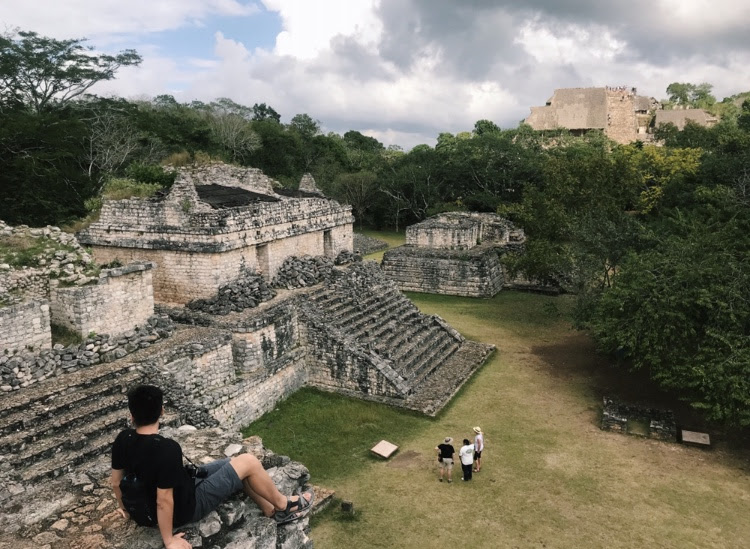
View from the first temple we climbed 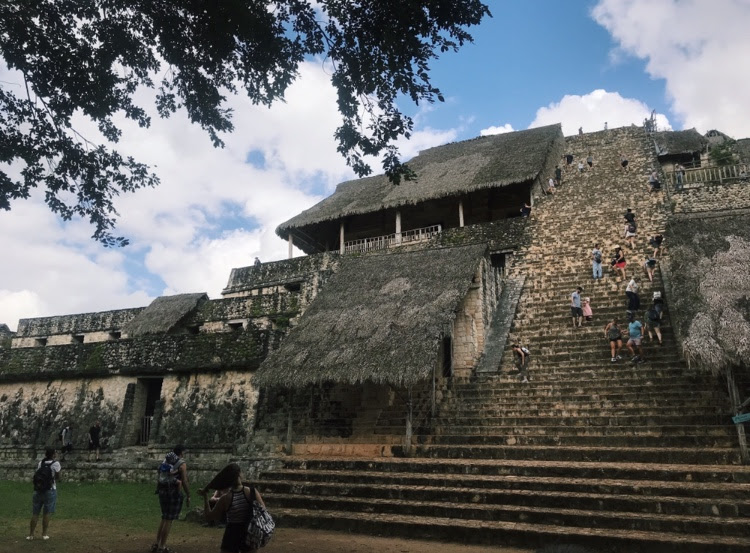
The daunting stairs of El Torre 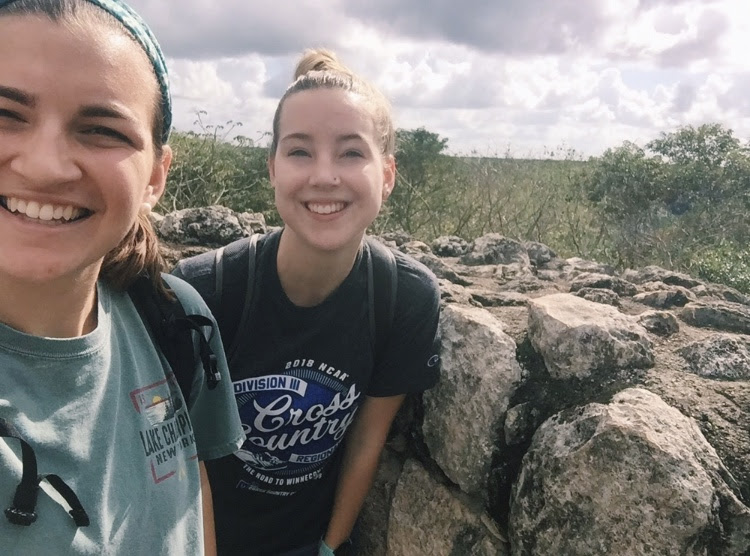
Destiny and I on top of El Torre 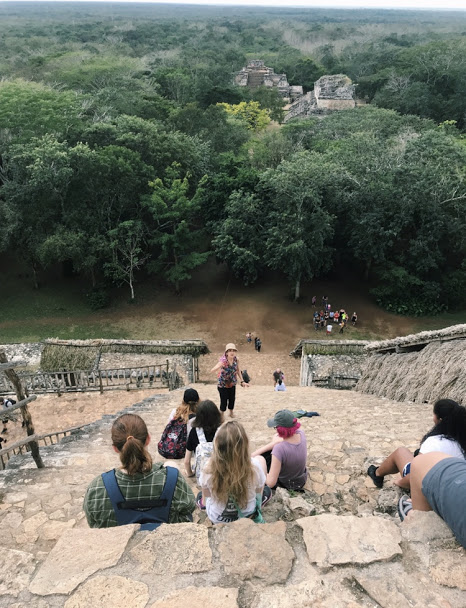
The stairs from the top and us wondering how we managed to climb them all 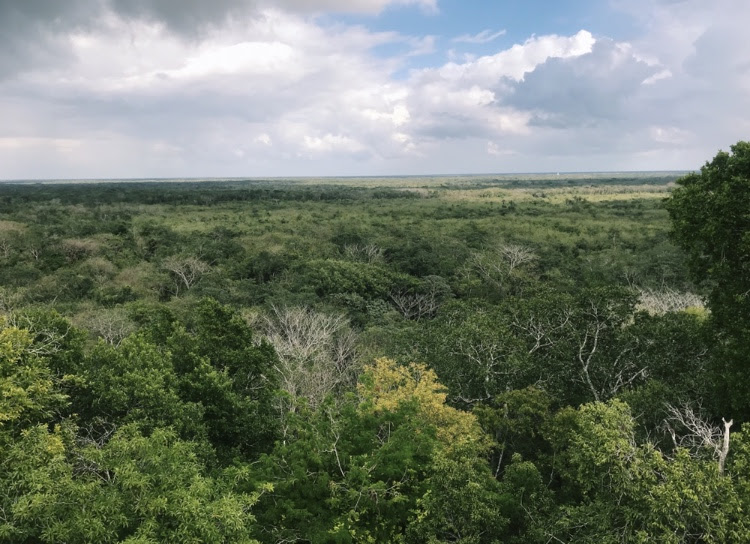
The view 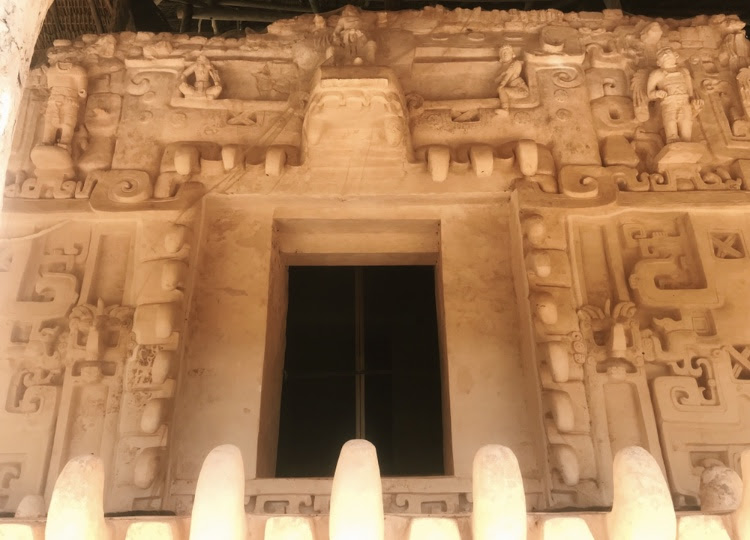
Mouth of Xoc, which the Mayans believed was an entrance to the underworld
As we walked down the path towards the cenote, my heart grew with anticipation of what was to come, and I knew that the brisk walk wasn’t the only thing keeping my heart rate up. Swimming in a cenote has been a major life goal of mine for the past three years when I stumbled upon them on a Pinterest travel board. The butterflies in my stomach fluttered faster as we got closer, and I could finally see the hole in the ground that led to this awe-inspiring pool of water. Jumping into the crystal cool clear water and emerging for the first time was the closest thing to a baptism that I know (with the exception of my actual baptism as a baby that I have no memory of). As the fresh water enveloped my entire body, all of the expectations, anxious feelings, and worries that had been tucked in the corners of my brain were washed away and I was left feeling wholeheartedly content. We swam around the cenote and gazed up at the roots from the plants above that stretched all the way down until they finally reached the water. We saw bat nests along the interior walls of the cenote as well as one very large spider that was relaxing next to us on sun-warmed rocks in the shallower water. After what had only seemed to be minutes (but in reality had been an hour or two), it was time to dry off and load back in the van to get lunch. The last thing I wanted to do was leave, but I was reassured knowing that almost equally exciting opportunities lay ahead.
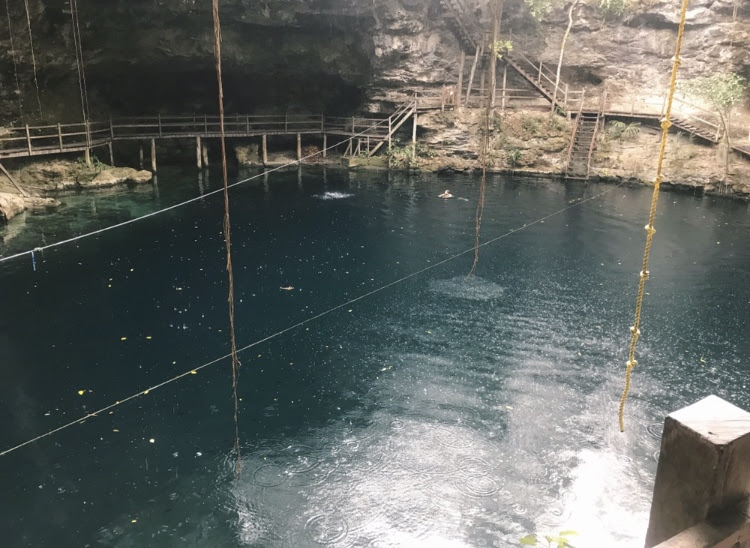
Cenote X’Canche 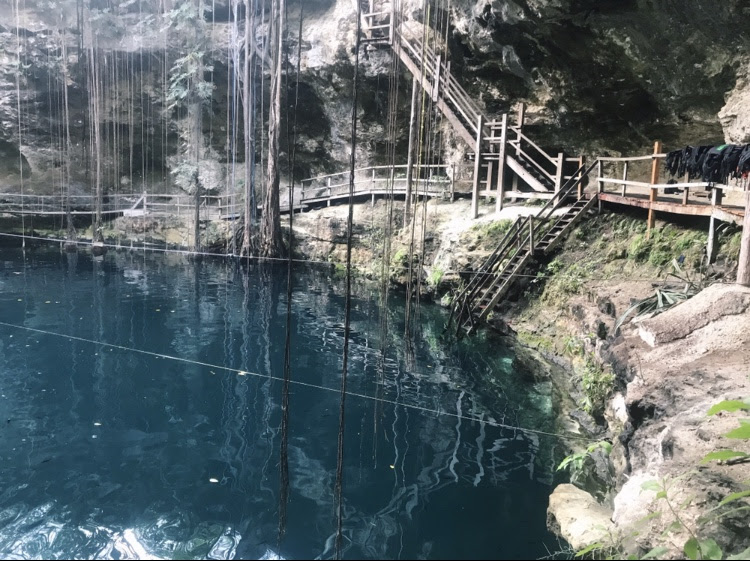
The roots and staircase 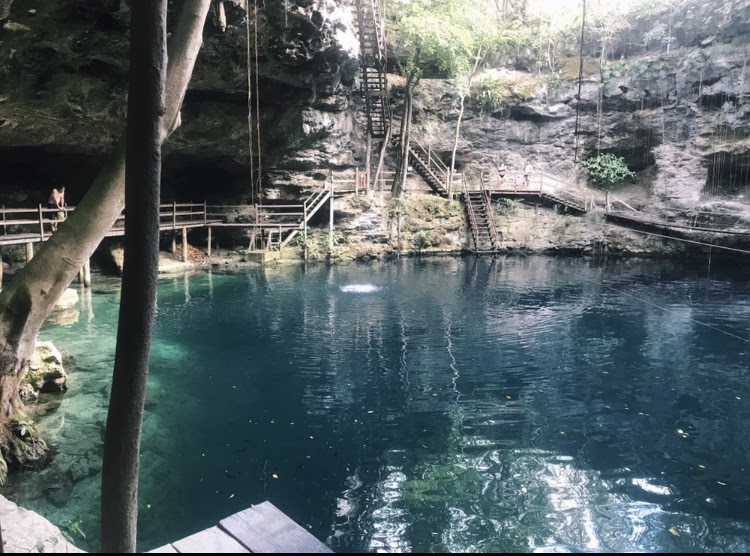
Waterfall and jumping dock 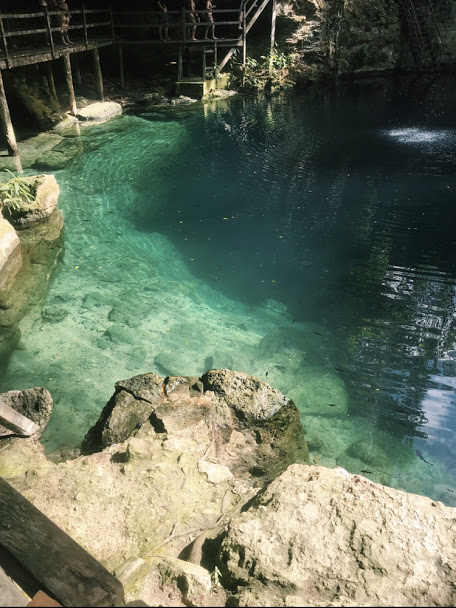
Clear water 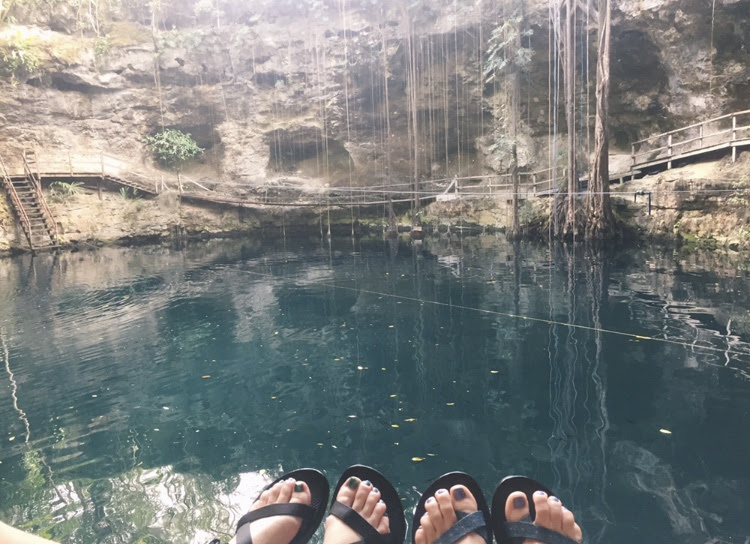
Chacos pic 🙂 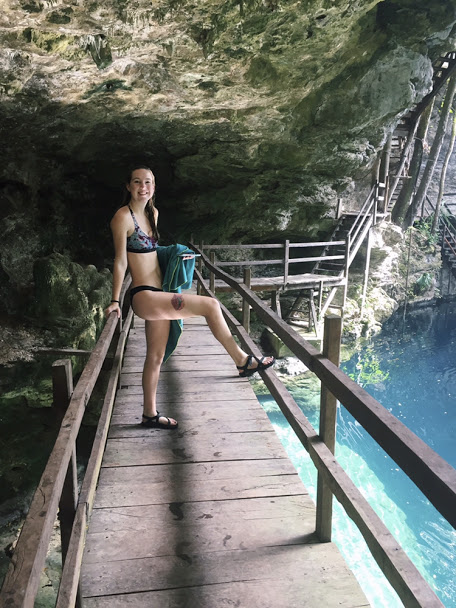
Trying and failing to show off my tattoo (which is also based on the previously mentioned Jimmy Buffett book) 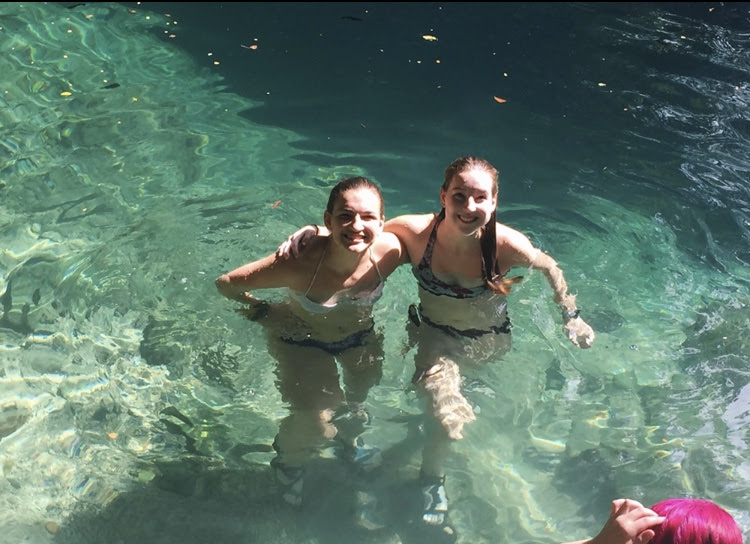
Destiny and I in the cenote 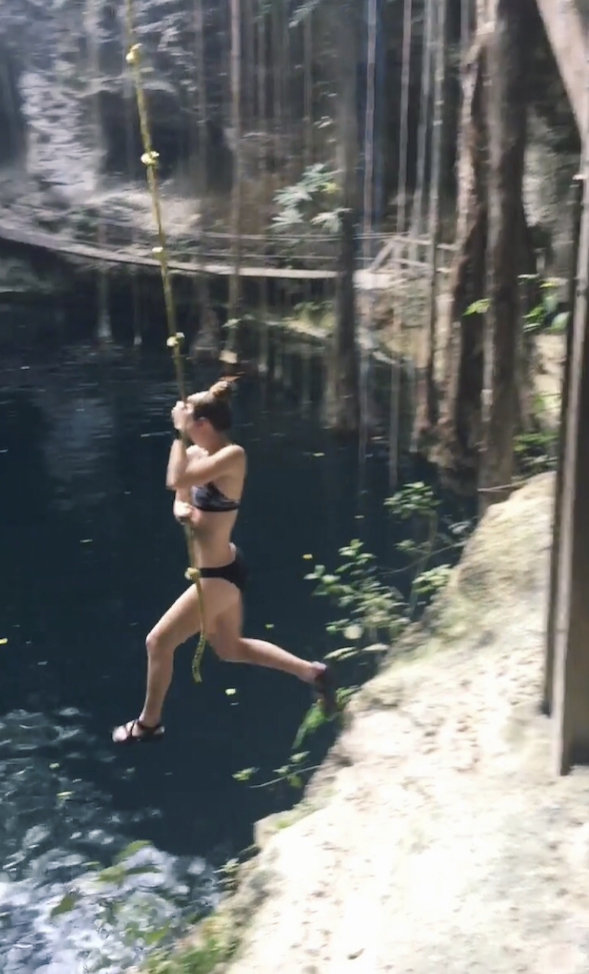
Swinging off of a rope into the water 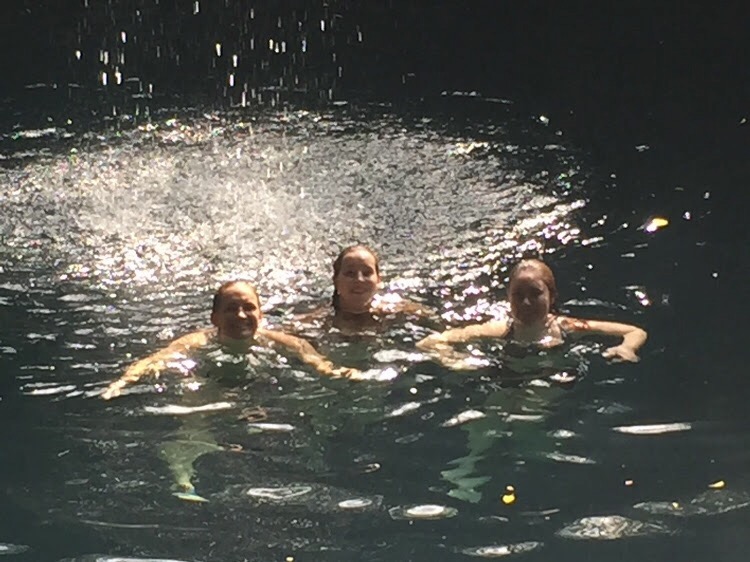
Destiny, Sarah, and I swimming by the waterfall
After a quick lunch of tacos de puerco con una tortilla de maíz, pico de gallo, salsa, y salsa caliente at a restaurant called Mozón, we went to an Agave Distillery. Here, we went on a tour detailing the process of how an agave plant is transformed into tequila. The plant is harvested from the field and cooked in a traditional brick oven which converts the complex carbohydrates into sugars that are easily fermentable. After being cooked, the plant is crushed with a giant grinding wheel in order to extract the juice which is then fermented and distilled. After it has been distilled, the tequila is aged. We were able to sample five different types of tequila with variations in the duration of the aging process. The first sample had been aged for three months, the second for six months, the third for a year, the fourth for three years, and the last for six years. I observed that the longer the tequila is aged, the more color it has to it and the less harsh it is, while the younger tequila tends to withhold a lot of the original agave flavors.
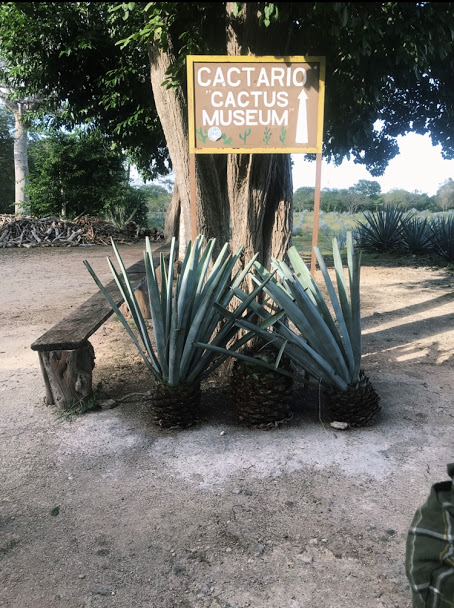
Full agave plant 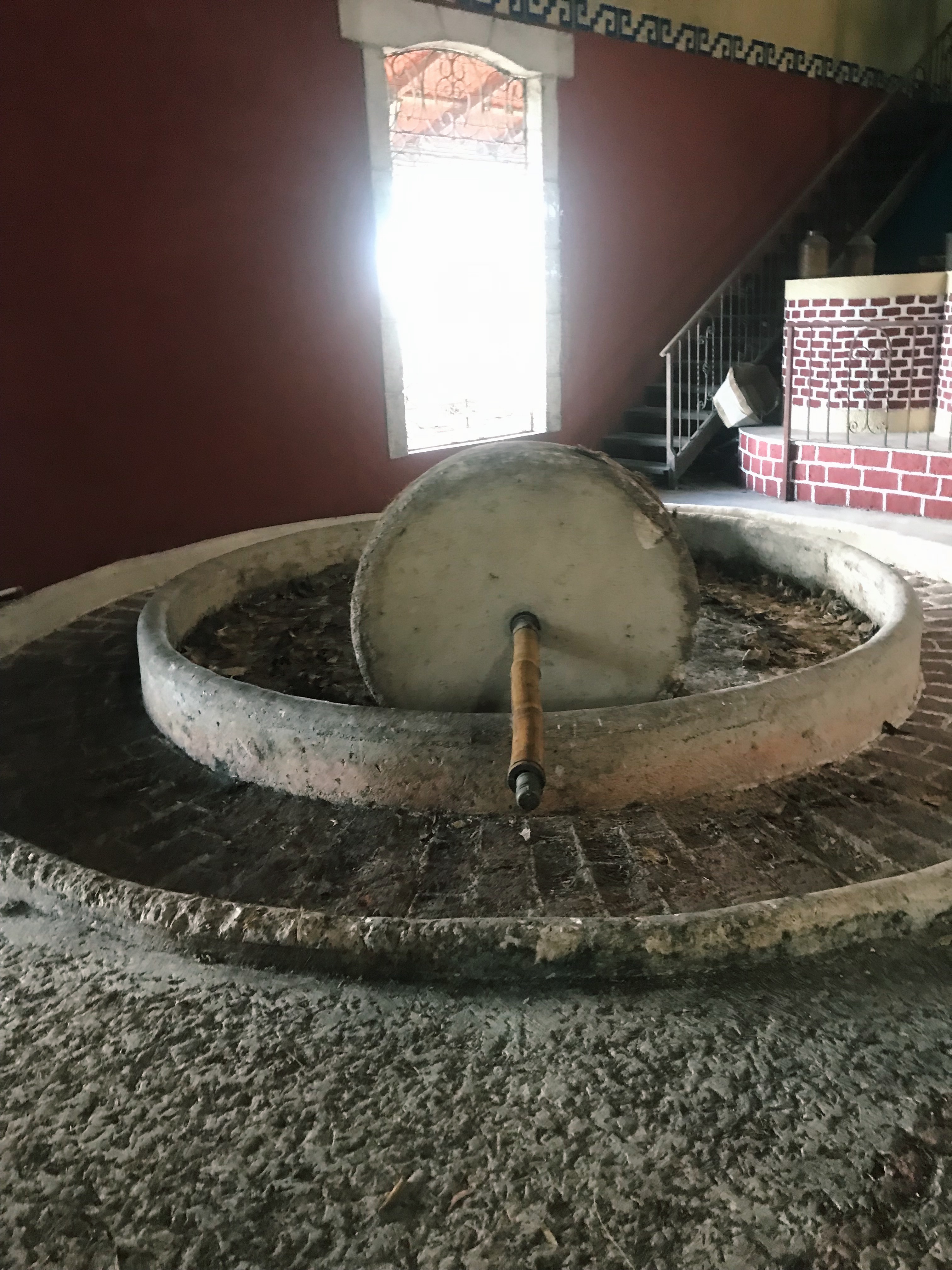
Grinding wheel 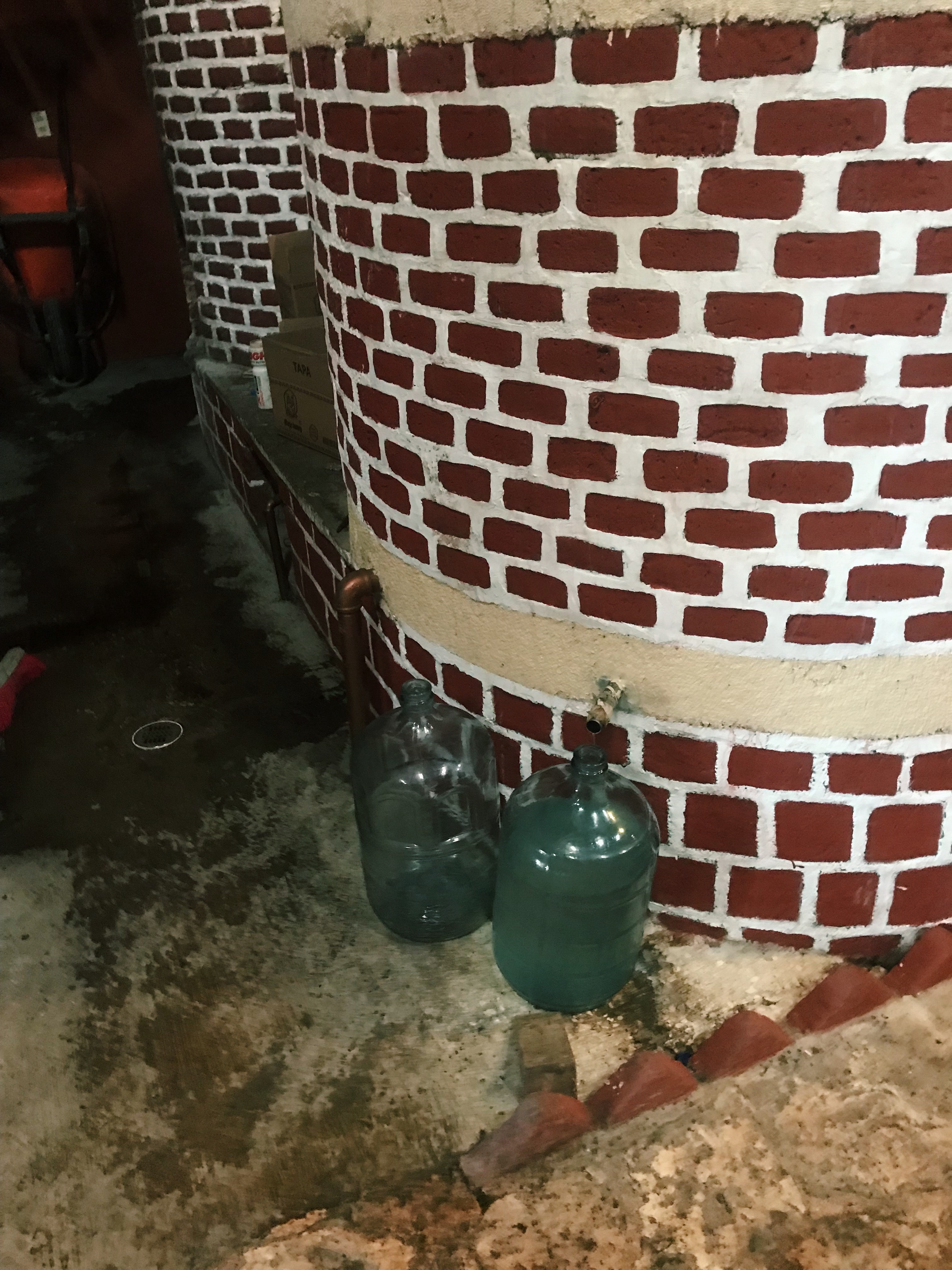
Distillation process 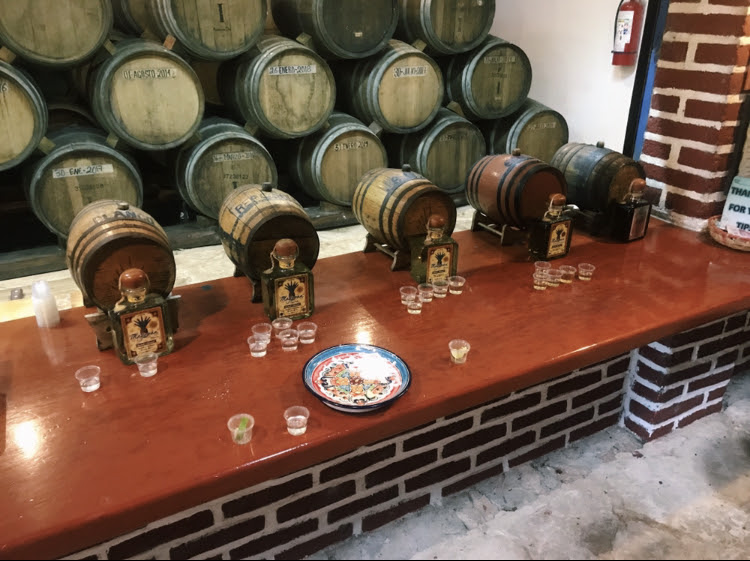
5 types of tequila that we sampled 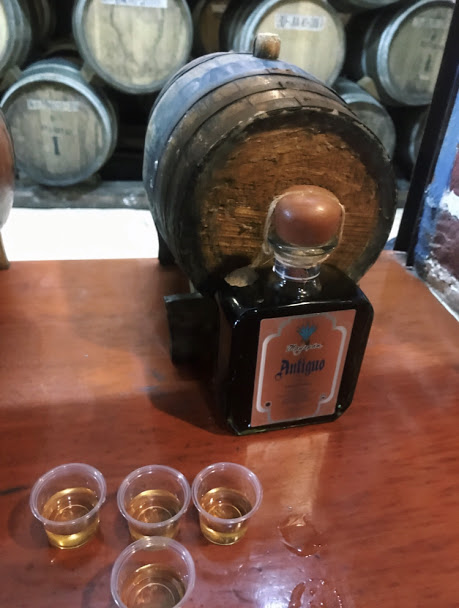
The type of tequila that aged the longest 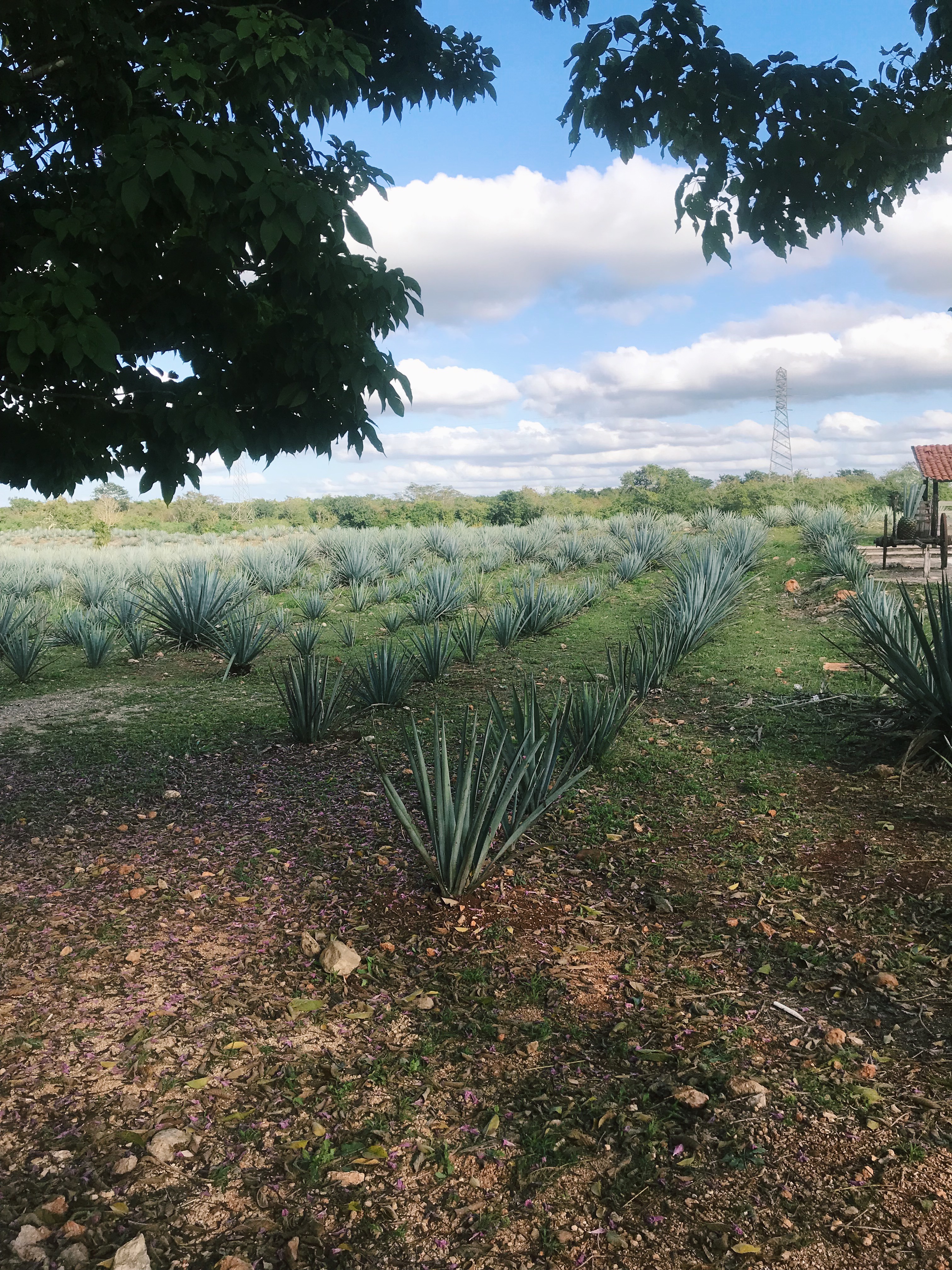
Agave field
Today I was able to experience a lot of firsts; it was my first time visiting an archaeological site, first time swimming in a cenote, first time rope swinging into a body of water, and first time tasting tequila. It was also my first time drinking unflavored carbonated water. Excluding the carbonated water incident, all of these experiences were unbelievably positive and reaffirmed my general excitement to be here.
I was able to use Spanish today when shopping at corner stores, souvenir shops, and ordering dinner. In order to continue practicing, I have started keeping a written journal of the day’s activities in Spanish. So far, it has been a fantastic way to learn the language, and I look forward to continuing it throughout the trip. I also look forward to writing more information-based posts (in addition to daily updates) as I research more about cenotes and the specific plants that live here.
I cannot wait to learn & experience more!
Jan. 09, 2019
 Explorando en Yucatán